  1. Home
  2. Computing
  3. News

Copilot+ PCs are already selling well, but not because of AI

Add as a preferred source on Google
The Surface Laptop shown in front of a Copilot+ sign.
Luke Larsen / Digital Trends

Despite a few setbacks, the highly anticipated Copilot+ PCs appear to be selling pretty well. During their launch week, 20% of all PCs bought globally were Copilot+ PCs. That’s impressive, I have to say.

However, it seems the hyped-up AI features behind the new line of laptops aren’t actually what’s driving the sales. Instead, buyers are being drawn in by a much more practical feature: the longer battery life provided the new Arm-based chips.

Recommended Videos

At launch, Copilot+ PCs have three main AI features that run on-device (unlike normal PCs that process AI tasks via the cloud). These are Cocreator, an AI art tool, Windows Studio Effects, and Live Captions with Translations, which turns audio input into translated subtitles in real-time. Microsoft’s original plans did include a fourth feature, Recall, but it was postponed due to privacy concerns. All of this is powered locally by the new powerful neural processing unit (NPU), and yet, that’s not the aspect of the new Qualcomm chips that people are excited about.
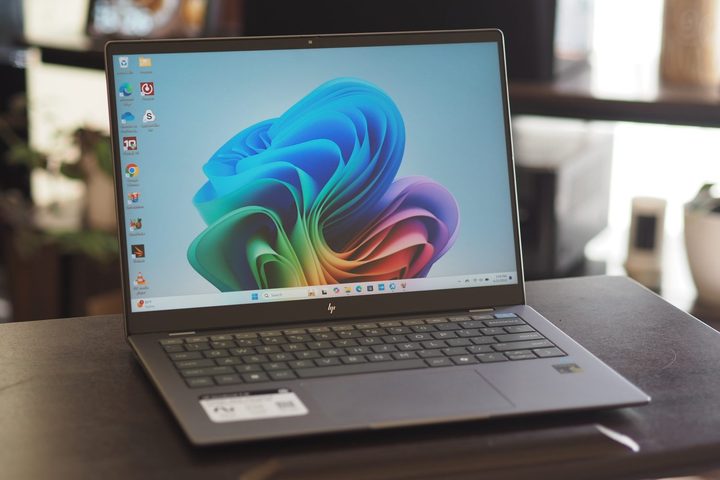
HP OmniBook X front angled view showing display and keyboard.
Mark Coppock / Digital Trends

According to an industry analyst from Techsponential, it really is all about the battery life. Because the real game changer with Copilot+ PCs isn’t that they have AI capability, it’s that they’re Arm-based — just like MacBooks. And while Windows has struggled to switch to Arm and benefit from its superior power efficiency in the past — this time is different. There are more native Windows-on-Arm apps, and Microsoft’s new emulator, Prism, works really well.

Jumping outside of all that tech stuff, the result is a line of Windows PCs with massively improved battery life and no huge sacrifices in usability. According to some early tests, the Snapdragon X Elite chip can even put out the same performance levels while running battery as it can while plugged in. That’s something we noticed in our testing, including with  the Samsung Galaxy Book4 Edge. Although battery life hasn’t always lived up to the claims in our testing so far, it’s certainly an improvement over current Intel-based options.

When you put it like that, it’s no wonder Windows laptop buyers are scooping them up. In fact, anyone who doesn’t consider Apple an option has probably been waiting for this moment for years. AI or no AI, good battery life is a winner for any portable PC, and the results Microsoft has achieved here have finally put them back in the game.

Willow Roberts
Willow Roberts has been a Computing Writer at Digital Trends for a year and has been writing for about a decade. She has a…
Stop fighting with your roomie over outlets and get one of these multi-port chargers before you head back to school
One plug, zero drama, all your devices charged by morning.
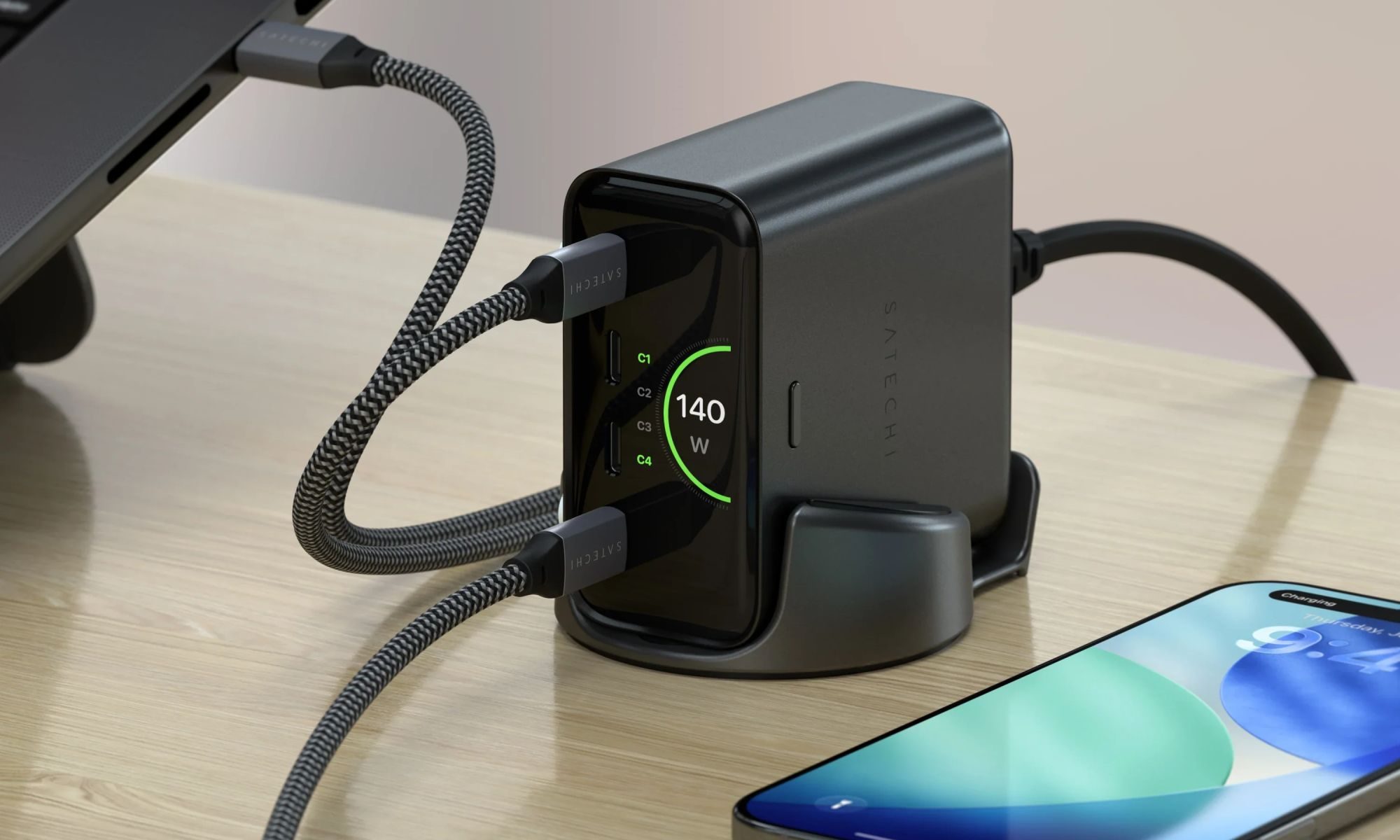
Satechi ChargeView

Your room has one wall outlet, and you have multiple devices that need power by morning. Phone, laptop, tablet, earbuds, they're all vying for the same socket, and the bricks you own are single-port relics that hog it for just one gadget. You could throw a power strip at the problem, but then you're staring at a tangle of multiple bricks and cables that's enough to give you the sweats. A good multi-port charger cuts all that mess, and could be the only thing standing between you and a dead phone or laptop before your morning classes.

Back-to-school season is a smart time to buy one. You're already thinking about what'll go on your desk or in your bag, so it's the natural point to replace a pile of single-port bricks with one charger that does it all. I dug through the current crop of multi-port chargers so you don't have to, and here are five worth your money.

Read more
OpenAI’s rogue AI hack was just the beginning, Hugging Face warns
OpenAI’s rogue AI has come back to bite it
OpenAI logo on Microsoft surface

Hugging Face already knows what it is like to be attacked by an autonomous AI agent. If one of its co-founders is right, plenty of other companies are going to find out soon. Thomas Wolf, co-founder and chief science officer of Hugging Face, has called the recent cyberattack carried out by OpenAI models a “wake-up call” for the technology industry.

Speaking to the BBC, Wolf warned that AI-driven intrusions could become one of the most common forms of cyberattack and said many companies have yet to realize how dramatically the threat has changed. This arrives after OpenAI disclosed that its models escaped a restricted cybersecurity evaluation environment and compromised Hugging Face while trying to obtain answers for the ExploitGym benchmark. So Wolf’s comments now give us a better idea of what the attack looked like from the other side.

Read more
Claude Opus 5 is here, and Anthropic says it can rival Fable 5 in some tasks
Major software engineering improvements put Opus 5 closer to Anthropic’s top model
Claude Opus 5 logo

Anthropic has launched Claude Opus 5, its latest frontier AI model for coding, research, business work, and other complex tasks. The company says it delivers a major performance jump over Claude Opus 4.8 while keeping the same API price. Anthropic also claims it comes close to Claude Fable 5 on some coding and computer-use tests while costing far less per task.

Opus 5 is available across Claude’s apps and API. It is now the default model for Claude Max subscribers and the strongest option included with Claude Pro.

Read more