1. Home
  2. Computing
  3. News

Intel is ready to shrug off Broadwell’s delays, pursue 7nm production process

Add as a preferred source on Google

At this week’s International Solid-State Circuits Conference held in San Francisco, representatives from Intel’s chip division laid out the company’s plans to hit the 7 nanometer limit for its processors by the year 2018.

According to Senior Fellow Mark Bohr, Intel plans to break through the 14nm barrier into 10nm by sometime in 2016, and keep on chugging through straight toward 7nm around two years after that.

Related: Intel’s latest graphics chips tested

Recommended Videos

These predictions come on the heels of some well-publicized missteps that the company took on its path toward hitting the 14nm boundary, “I think we may have underestimated the learning rate—when you have a technology that adds many more masks, as 14[nm] did, it takes longer to execute experiments in the fab and get information turned, as we describe it,” said Bohr.

The challenge the company has faced over the past few chip cycles has been trying to find a way to push the theoretical limits of what silicon is capable of, without moving onto new materials such as graphene or silicene. With new techniques applied to the light it uses to etch transistors into silicon, Intel believes the problems it’s encountered with the 14nm Broadwell build have been surmounted, and the lessons learned there will translate into a smoother production rate for 10nm and 7nm builds in the future.

Bohr told news outlets in his conference call that Intel’s development team for 10nm is running 50 percent quicker than Broadwell, which means it should be on track to hit the 7nm goal without any additional hiccups from here on out.

Chris Stobing
Former Digital Trends Contributor
Self-proclaimed geek and nerd extraordinaire, Chris Stobing is a writer and blogger from the heart of Silicon Valley. Raised…
AI browsers like Perplexity Comet can be tricked into spilling your password through BioShocking exploit
Six AI browsers were found leaking saved passwords and many of them haven't fixed it yet.
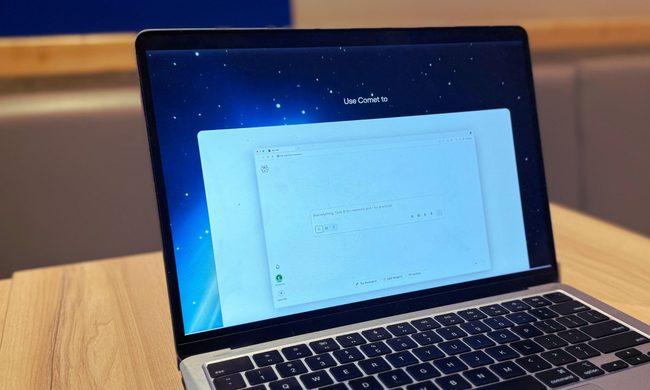
MacBook Air in hand, Comet browser loaded—let’s see what Perplexity’s AI can really do

Security researchers just found a strange way to trick AI browsers into handing over your passwords. They managed to trick AI browser agents into exposing sensitive data like saved passwords, session cookies, and private tokens by disguising the theft as part of a harmless "game."

The technique is called BioShocking, named after the popular video game BioShock, where a brainwashed character is manipulated into believing a false reality. Once an AI browser falls for the same trick, it stops following its own safety rules entirely.

Read more
Google Play’s latest speed boost goes way beyond the phone
Play Store v52.1 targets app install performance across Android devices, including cars, TVs, watches, tablets, and phones.
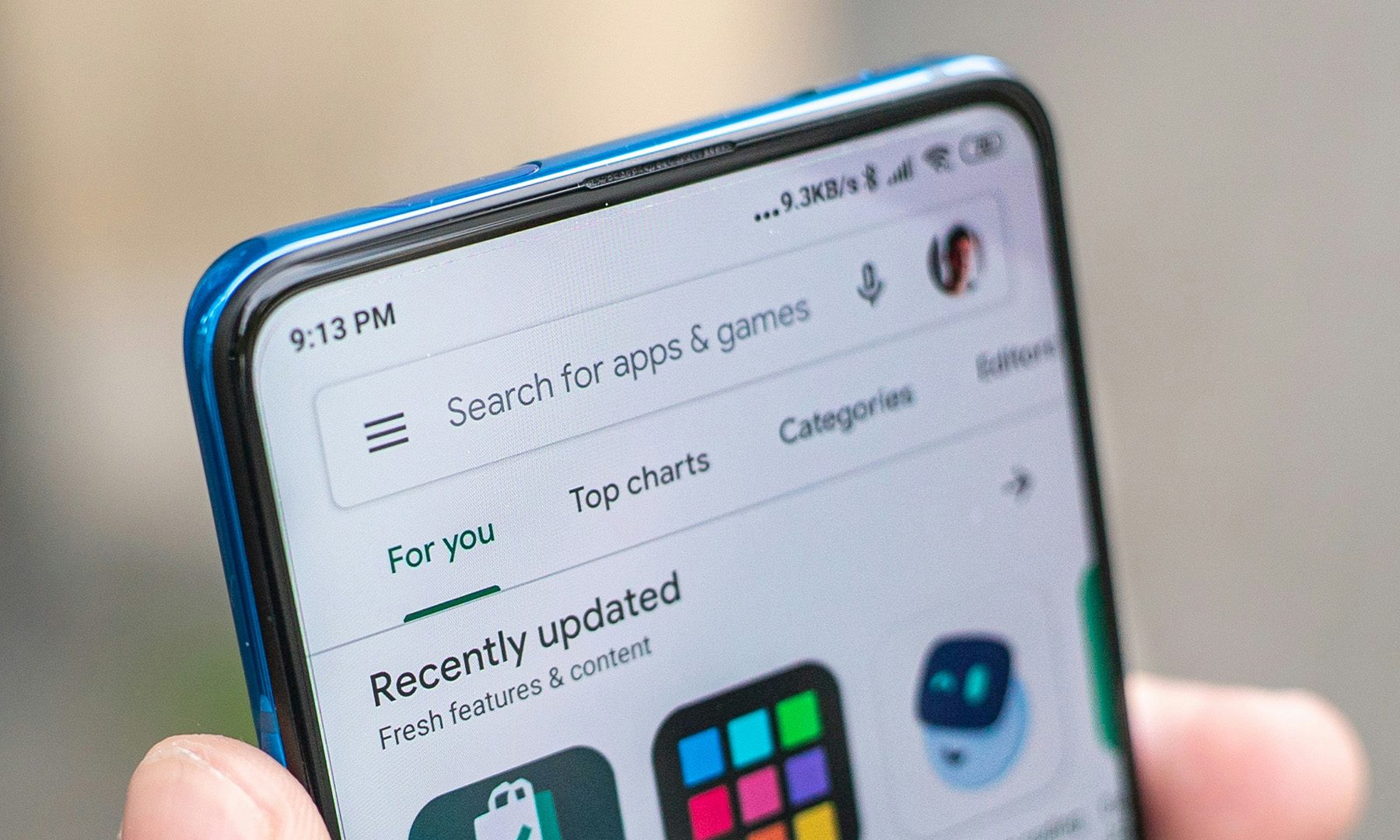
Google Play Store Photo

Google is rolling out Play Store v52.1 with changes built around a practical Android problem, getting apps installed more smoothly on very different kinds of hardware.

The update focuses on Play Store infrastructure, with Google pointing to stability, performance, and better memory use while a device adds an app. That install path now has to work on phones, tablets, Wear OS watches, Google TV, Android TV, Android Auto, and cars running Android Automotive.

Read more
Peacock Premium Plus joins YouTube as the streaming bundle battle gets messier
The $16.99 subscription brings Peacock’s sports-heavy catalog into YouTube, with account details still unclear.
Adult, Female, Person

Peacock Premium Plus is now available through YouTube Primetime Channels, giving viewers a new way to add a major streaming service inside YouTube.

The $16.99-per-month subscription brings Peacock’s live sports, NBC and Bravo shows, originals, Universal movies, Telemundo programming, and Spanish-language FIFA World Cup 2026 coverage into YouTube’s channel marketplace.

Read more