  1. Home
  2. Cars
  3. Photo Galleries
  4. News

Genesis’ stunning New York Concept may give Mercedes and BMW a reason to worry

Add as a preferred source on Google

The newly crowned Genesis brand revealed its first concept at the 2016 New York Auto Show, and the ultramodern (and aptly-named) New York Concept left the crowd speechless. The brand’s first foray into show car territory, the vehicle’s design is the company’s most progressive yet, but it has real implications for the future of Genesis.

The New York Concept reportedly previews the upcoming G70 luxury sports sedan, one that will eventually lock horns with the likes of the Audi A4, BMW 3 Series, and Mercedes-Benz C-Class. Powering the car is a 2.0-liter hybrid setup with a total output of 242 horsepower and 260 pound-feet of torque, all of which is shuttled to the ground through an eight-speed automatic transmission. Acceleration and weight figures have not been disclosed by Genesis, but the vehicle’s size, looks, and hybrid grunt could make it a real competitor for executive sedans from across the pond.

The exterior of the car is fantastic to be sure, but the star of the show is the New York Concept’s futuristic interior. The dashboard and overall curvature looks like something out of I, Robot, and the floating 21-inch touchscreen blends the instrument cluster and center stack together into one modern package. Despite its innovative flair, Genesis says the Concept retains analog instrument dials.

“The New York Concept is a progressive concept car that showcases the design quality of the brand,” said Manfred Fitzgerald, head of Genesis. “With its expressive volumes and refined design, the New York Concept truly embodies the ‘Athletic Elegance,’ that characterizes Genesis products and will continue to do so for future models that come from our luxury brand. Revealing the concept in New York is a fitting opportunity for Genesis.”

As with most show cars, many of the elements showcased on the New York Concept are unlikely to make it to production, specifically the four-seat setup and dynamic interior styling. Even so, the Genesis brand just gave us one more reason to be excited about the compact luxury space.

Andrew Hard
Andrew first started writing in middle school and hasn't put the pen down since. Whether it's technology, music, sports, or…
Tesla launches the six-seat Model Y Long Wheelbase in the US
The stretched electric SUV brings more space, more comfort, and up to 325 miles of range.
Tesla Model Y Long Wheelbase Featured

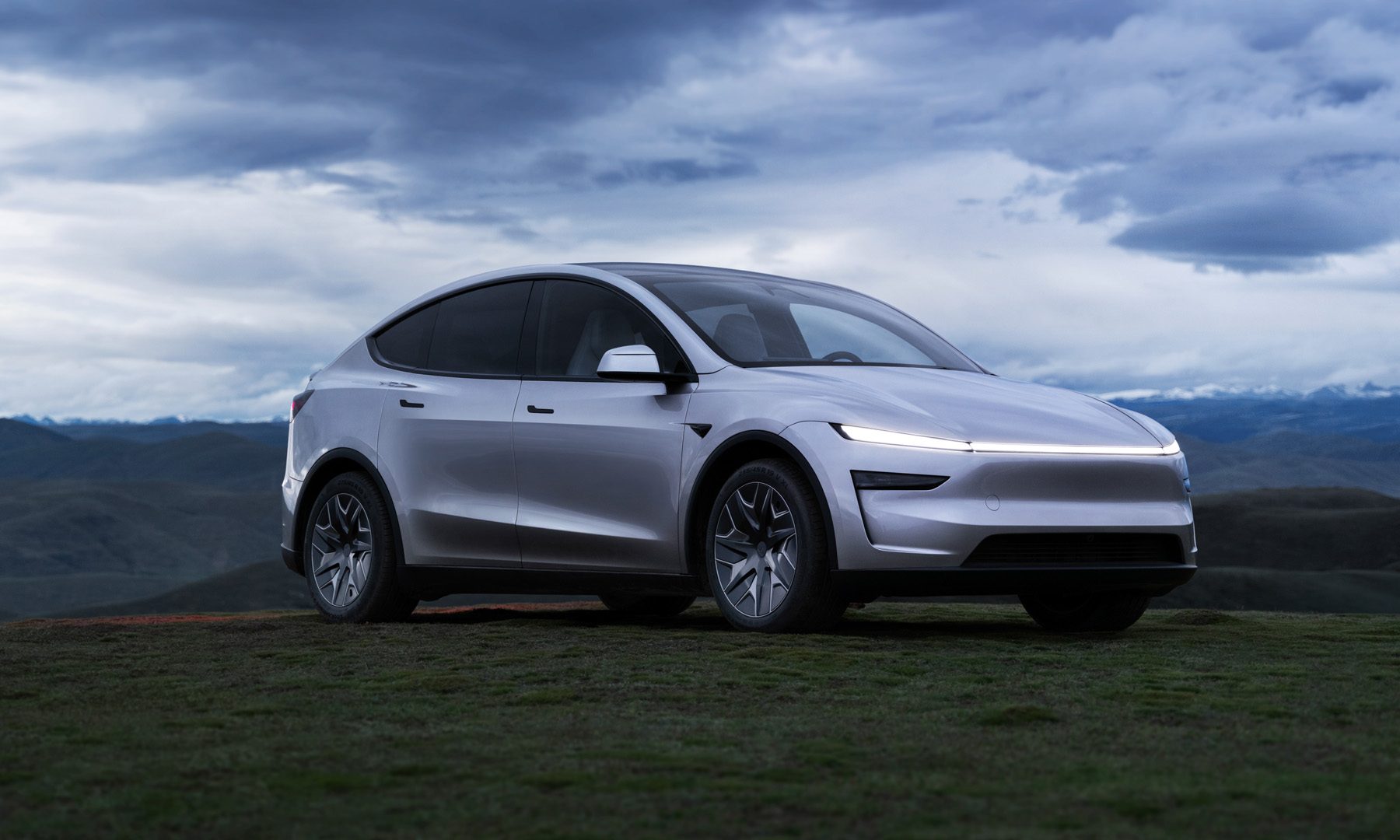
Tesla is giving the Model Y a little more breathing room. The company has officially launched the Model Y Long Wheelbase in the United States and Puerto Rico, introducing a stretched version of its best-selling electric SUV with a three-row, six-seat layout that's designed to make family road trips a lot more comfortable.

A bigger Model Y with a focus on comfort

Read more
A stolen Kia reveals the hidden limits of connected car technology
Kia can see where your stolen car is. GDPR means it won't share that in real time. That is the entire problem.
Kia EV3 design

If you’re buying a car with connected car technology, thinking it would help you to recover it in the event of theft, you might want to recalibrate your expectations. 

A recent incident in the UK, in which a car owner had three tracking devices installed in his car and still couldn’t recover it, led the carmaker to state that connected-car technology isn’t a “certified security vehicle tracker” (via the BBC).

Read more
Cambrige experts find utterly simple fix for longer lasting EV batteries. Just put some pressure on it.
Scientists found a way to make EV batteries last longer without reinventing the battery
EV Charging

EV battery breakthroughs typically involve new chemistry, exotic materials, or faster charging/higher capacity. But a new study reveals that you can skip all the fancy stuff and go with a very simple solution, Researchers from the University of Cambridge found that putting the battery under the right amount of pressure actually helps.

The study was about how physical pressure affects lithium-ion battery life, which found that keeping cells under constant pressure could double their lifespan. The work was published in Nature Energy, and the team says the improvement came without changing the active materials, electrolyte, or basic battery chemistry.

Read more