1. Home
  2. Computing
  3. Legacy Archives

How to disable the Windows key in Win 7

Add as a preferred source on Google

Pressing the Windows key accidentally can be an experience that runs the gamut between annoying and disastrous, depending on what you’re doing with your PC. If you’re doing something desktop-related it’s not the end of the world. If you’re gaming though, it could spell disaster, turning your raid or mission into a giant waste of time.

Luckily, there’s a way to disable the Windows key so that this never happens, or never happens again in the event that you have some familiarity with such unfortunate circumstances. Doing so requires you to tweak with Windows 7’s registry. Don’t panic! If you follow our directions to the letter, you can slip in and out of the registry without wreaking any havoc on your PC.

Recommended Videos

How to disable the Windows key in Windows 7

To start, when at the desktop, hold the Windows key and press R. Then, type in “regedt32” in the Run dialog box and press Enter. Under “Computer,” double click on “HKEY_LOCAL_ MACHINE,” then double click on “SYSTEM.” From there, right click on “Keyboard Layout,” highlight “New” and hit “Binary Value.” This will create a new entry on the left hand side of regedt32. Name this entry “Scancode map.”

Now comes the hard part. Right click on “Scancode map” and click “Modify.” Here’s what you’ll need to type in, and be sure to type in exactly the following, and no more or less, without the quotation marks or the period at the end: “00000000000000000300000000005BE000005CE000000000.” Once done, click OK and restart your PC. 

When you boot back into Windows, the Windows key should be out of commission. Questions? Comments? Sound off below.

Image credit: http://www.customity.com

Konrad Krawczyk
Former Computing Editor
Konrad covers desktops, laptops, tablets, sports tech and subjects in between for Digital Trends. Prior to joining DT, he…
NVIDIA’s new AI can detect deepfake videos in just 22 milliseconds
NVIDIA has a new AI tool that can tell fake videos from real ones in milliseconds
Nvidia logo

As generative AI becomes increasingly capable of producing videos that are nearly indistinguishable from real footage, the race is no longer just about creating synthetic media. It's about detecting it before it spreads.

At SIGGRAPH 2026, NVIDIA unveiled Synthetic Video Detector, a new AI-powered verification tool designed to identify AI-generated videos with remarkable speed and accuracy. Rather than replacing traditional fact-checking or forensic analysis, the company says the technology is intended to give newsrooms, broadcasters and enterprises another layer of confidence before synthetic videos enter the public domain.

Read more
Dell XPS 14 (2026) Review: Dell’s classic Windows laptop returns, and it’s hard to put down
The icon returns, and shows why it's still relevant
Dell XPS 14 Review: Featured

Quick take

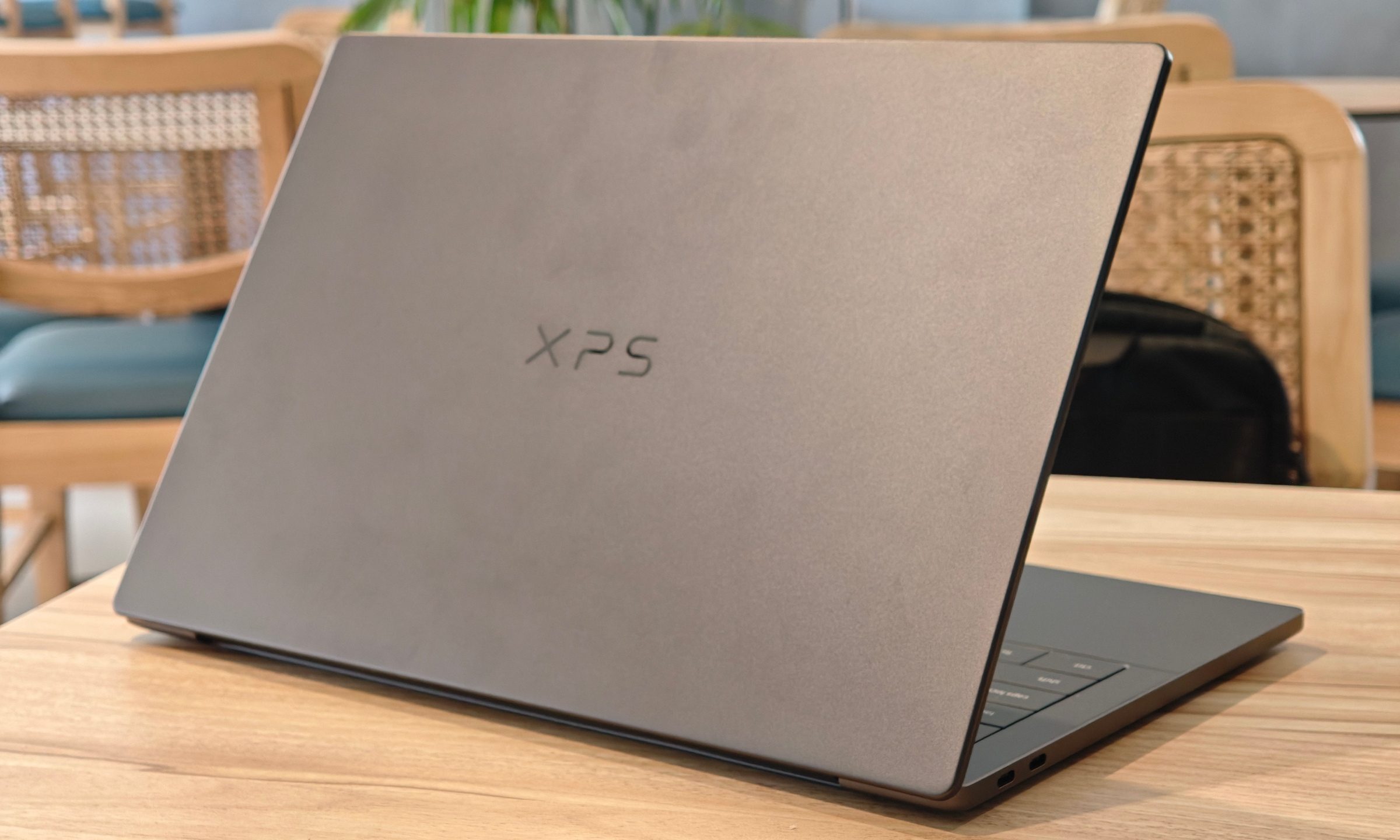
Dell’s XPS line has always carried a certain weight. It is one of those Windows laptop families that people recognize even if they don’t follow laptops too closely. Clean design built with premium materials, sharp displays, and high-end hardware. The Dell XPS 14 DA14260 continues that legacy. 

Read more
Samsung’s secret AI chip could finally cool down Exynos phones
Samsung's GAIA AI chip is landing in laptops first, but its shared DNA with Exynos hints at a real fix for phones down the line.
Samsung Exynos chip illustration.

If you've ever owned an Exynos-powered Galaxy phone, you already know the drill: heavy tasks like capturing back-to-back pictures or photos for a while, heavy gaming, or rendering videos turn your device into a hand warmer. 

In such a situation, the battery bar drops faster than usual as well. Turns out, Samsung might be working on the fix, and it's coming in a way nobody expected.

Read more