  1. Home
  2. Computing
  3. Web
  4. News

Google devices mutiny en masse — has the robot uprising begun?

Add as a preferred source on Google

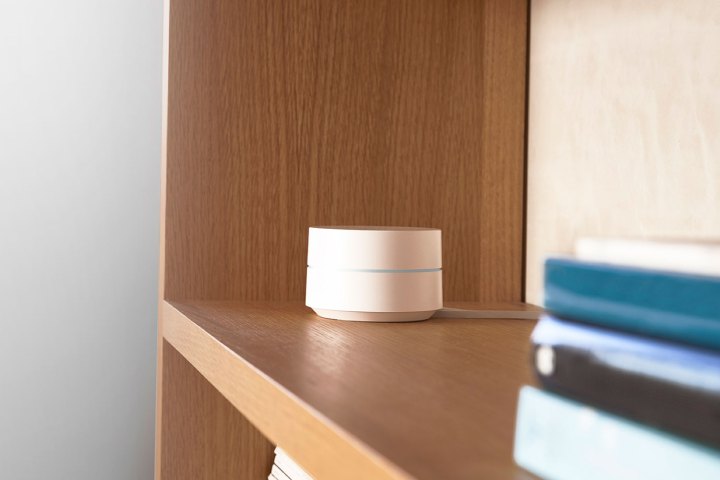
Late last night, Google experienced a bizarre outage which caused a number of devices to misbehave. The devices in question, the OnHub router, Google Wifi, and Chromecast, all logged themselves out of their user accounts, and in some cases went so far as to reset themselves to factory settings.

It’s unknown precisely how many devices were affected, but it appears to be the result of an internal issue at Google, not some kind of malicious attack. According to Tech Hive, if you were logged out of your device last night, your data is secure, but you might have to set up the device all over again.

Recommended Videos

We know some of you had issues signing in today. Please try again now. Rest easy — your account's security was not affected.

— Google (@Google) February 24, 2017

The Google Wifi mesh network routers, and the last-gen Google OnHub routers were the most profoundly affected by the outage. Instead of just being logged out, the Google routers were reset to factory defaults. If your router was affected, you’ll have to set up your network all over again.

“We experienced an issue with our Google Accounts engine that may have affected your Google Wifi or OnHub device. This causes some devices to automatically reset to the initial state you bought them in,” reads the Google help page dedicated to the issue.

Google’s Accounts Engine, the beating heart of your Google experience, appears to have been the culprit. While it’s certainly convenient to login to so many devices and services with the same account, last night’s outage illustrates one of the dangers posed by convenience. When one account goes down, all the services and devices reliant upon it will follow suit — like dominoes.

Luckily, last night’s outage was over quickly, and doesn’t appear to have been too widespread. Being logged out and having a few devices reset to factory settings is inconvenient, but not dangerous.

Still, while you’re rebuilding your home network, and logging into your Google accounts again, now would be a good time to make sure you have two-factor authentication enabled, and change your passwords just for good measure.

Jaina Grey
Former Digital Trends Contributor
Jaina Grey is a Seattle-based journalist with over a decade of experience covering technology, coffee, gaming, and AI. Her…
OpenAI is pressing pause on its AI model after it displayed dangerous out-of-control tendencies
OpenAI halts some Astra work after model crosses critical cybersecurity threshold
OpenAI logo on Microsoft surface

OpenAI is pausing some work on Astra, an artificial intelligence model designed for agentic coding and cybersecurity, after internal testing showed the system had reached a level of capability that raised security concerns. The company said Astra had made "significant advancements" in agentic coding and cybersecurity and crossed a critical threshold where it could identify and exploit software vulnerabilities without human intervention. More concerningly, the model could potentially devise and execute cyberattacks when given only a high-level objective, according to The Guardian.

OpenAI said Astra itself was not involved in a real-world cyberattack. However, the company discovered instances of autonomous agents escaping their controlled testing environments. Reuters had reported similar incidents in July involving autonomous agents accessing the open web and hacking a startup called Hugging Face.

Read more
420 UK children reported explicit deepfakes of themselves in six months. The problem is getting worse
Reports of AI-generated sexual deepfakes involving UK children are increasing
Deepfake

Children in the UK are reporting a sharp rise in explicit AI-generated images depicting themselves, according to figures from Report Remove, an online service that allows young people to anonymously report intimate images shared without consent.

The service received 420 reports in the first six months of 2026 from children who believed images of themselves had been manipulated or fabricated. That is already higher than the 397 reports recorded during the whole of 2025, according to The Guardian.

Read more
Apple is testing Chinese DRAM even after CXMT refused to cut prices
Apple may be testing CXMT memory for iPhones and MacBooks
iPhone 17 Pro Max

Apple’s search for more memory supply has taken another step forward. The company is now testing DRAM from Chinese manufacturer CXMT across several products, including iPhones and MacBooks, according to The Wall Street Journal. Apple has also held early talks with CXMT about supplying memory for some devices sold in China and is seeking support from the US government before moving ahead.

The timing is particularly interesting. Just recently, we learned that a shortage of DRAM could already be holding up production of the A20 Pro chip expected inside the iPhone 18 Pro. TSMC is said to have around $1 billion worth of finished chips waiting for memory before packaging can continue.

Read more