1. Home
  2. Emerging Tech
  3. News

Need a robot to grab something like a hawk? Prodrone has you covered

Add as a preferred source on Google

You know what drones are missing? A giant pair of grasping arms to make them truly resemble the robotic birds of prey of our nightmares.

Fortunately, our nightmares no longer have to be confined to night time, however, since Prodrone, Japan’s leading commercial and industrial drone maker, has unveiled its new PD6B-AW-ARM model large-format drone — complete with two internally developed robotic arms, allowing it to carry out a wide variety of tasks.

Recommended Videos

And, despite kidding around, it looks pretty handy.

pd6b-aw-arm_01
Image used with permission by copyright holder

“The idea for a dual-robot arm, heavy-payload drone came from the vision that commercial and industrial drones can go beyond being the flying cameras that are so common today,” Fred Borda, co-founder of Aerial Innovation, a Silicon Valley consulting firm focused on the advancement of commercial unmanned aerial in the U.S. and Japan, told Digital Trends, speaking on behalf of Prodrone.

“They can be a pair of hands to perform tasks that are too dangerous or difficult for humans to do,” he continued. “The team wanted to share this vision with the world and also showcase what their engineers are capable of — so they went after this challenge.”

Examples of applications for Prodrone’s new creation include carrying payloads of up to 22 pounds, cutting cables, turning dials, flicking switches, dropping lifesaving buoys, and retrieving hazardous materials. It was first shown off at last week’s InterDrone, the International Drone Conference and Exposition, in Las Vegas.

While there is no word yet on when exactly it will be taking to the skies, Borda hinted that there could be use-cases before too long. “Prodrone’s business model today is providing contract R&D and manufacturing of drones for large industrial companies,” he said. “[The company works] with innovative companies to solve difficult problems with drones keeps them ahead of the curve.”

In other words, if you are running a company and are in need of the drone equivalent of an eagle, give Prodrone a call.

Luke Dormehl
I'm a UK-based tech writer covering Cool Tech at Digital Trends. I've also written for Fast Company, Wired, the Guardian…
Yet another study says AI is bad for elections, and the rabbit hole gets worse
AI may be an election bomb waiting for someone to light the fuse
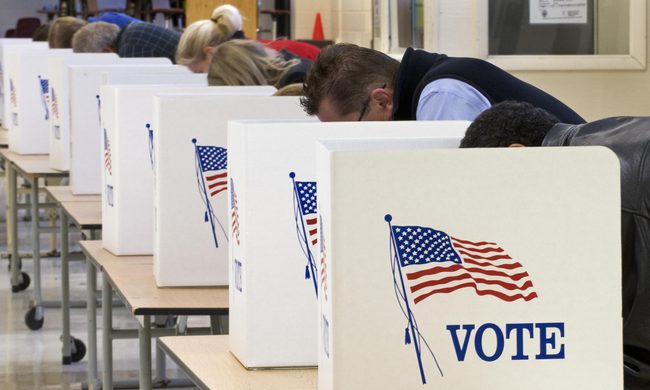
Voters cast their ballots on Election Day

Another election, another study has concluded that asking an AI chatbot for political guidance is a spectacularly bad idea. Research conducted during Hungary’s 2026 parliamentary election found that ChatGPT and Google Gemini offered not just inaccurate but also inconsistent and unreliable voting advice. The chatbots misclassified voter profiles, overlooked relevant parties, recommended parties absent from the ballot, and sometimes produced materially different answers when given the same information repeatedly.

AI keeps failing the voter test

Read more
Samsung’s humanoid robot ambitions are real, but factories come first
Samsung’s new robotics division has humanoids in its sights, although its immediate business is far more practical factory automation
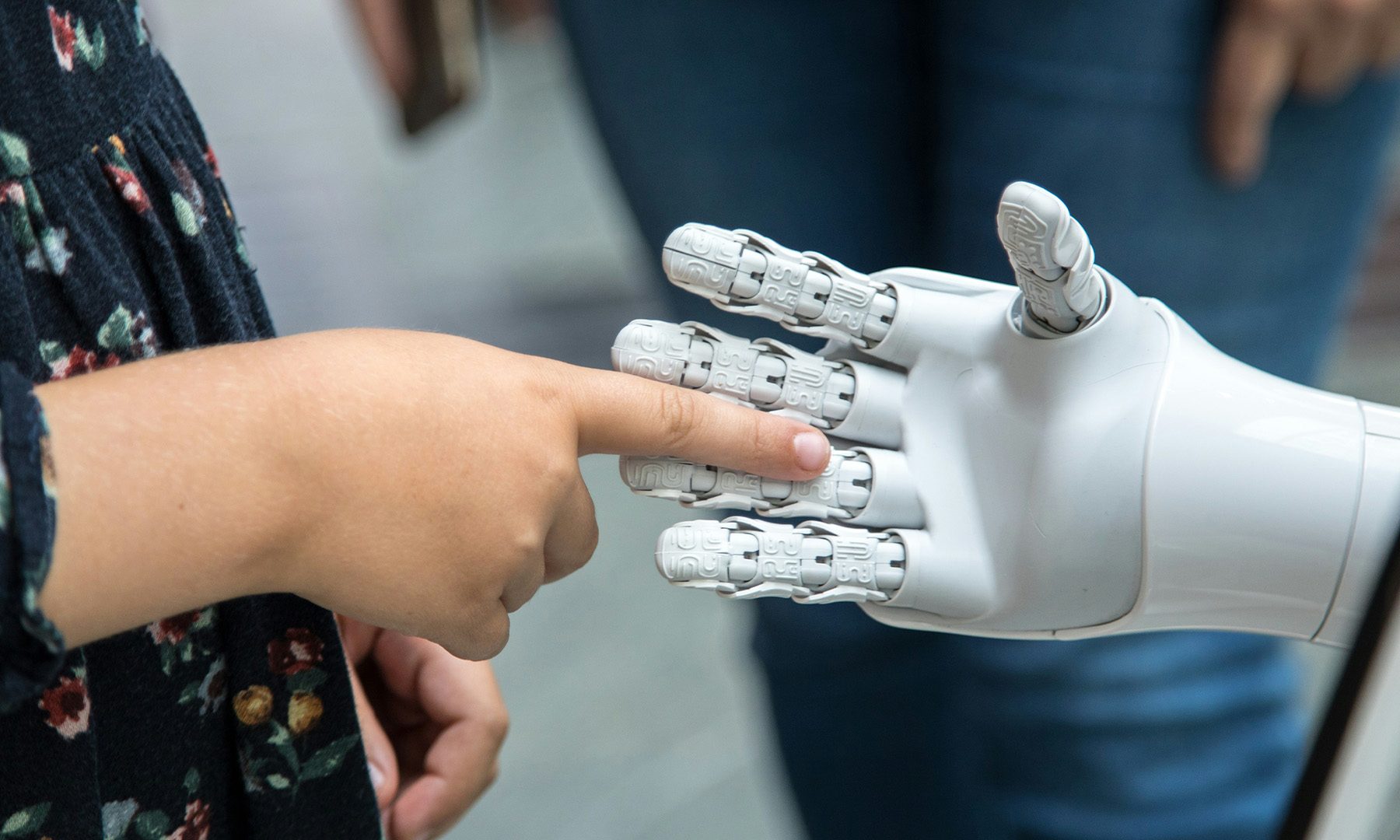
Robot Touch Human Finger

Samsung wants a place in the humanoid race, but its new robotics push begins with machines built for factories rather than homes.

The CEO-led RX robotics division will initially focus on manufacturing robots. Samsung has separately identified humanoids as a priority, although it hasn’t announced a commercial model or explained where one fits into the division’s immediate plans.

Read more
The future of AI may depend on this one behind-the-scenes change
Running Claude on Android.

Whenever a new AI model arrives, it's easy to get caught up in the bells and whistles. We talk about how much smarter it is, how quickly it answers questions, or how realistic its images have become. But here's the thing: none of that matters much if the AI can't reliably work with the apps and services people use every day.

That's why an upcoming update to the Model Context Protocol (MCP) caught my attention. It isn't a new chatbot or a fancy AI model. In fact, most people will never even know it's happening. But it could quietly make the AI ecosystem a lot healthier. If you've never heard of MCP before, don't worry. Think of it as a shared language that lets AI assistants safely talk to apps like Gmail, Slack, calendars, databases, and countless other services. Instead of every company inventing its own way to make those connections, MCP gives everyone a common rulebook.

Read more