  1. Home
  2. Emerging Tech
  3. Computing
  4. Outdoors
  5. Wearables
  6. News

Facial recognition systems could be confused by these guerrilla T-shirt designs

Add as a preferred source on Google

As a website that focuses on tech, it’s very easy to get excited about the massive advances in artificial intelligence that have led to breakthroughs in facial recognition technology. However, for some people facial recognition doesn’t summon up thoughts about how amazing computer science is, so much as fears about its ability to intrude into our lives.

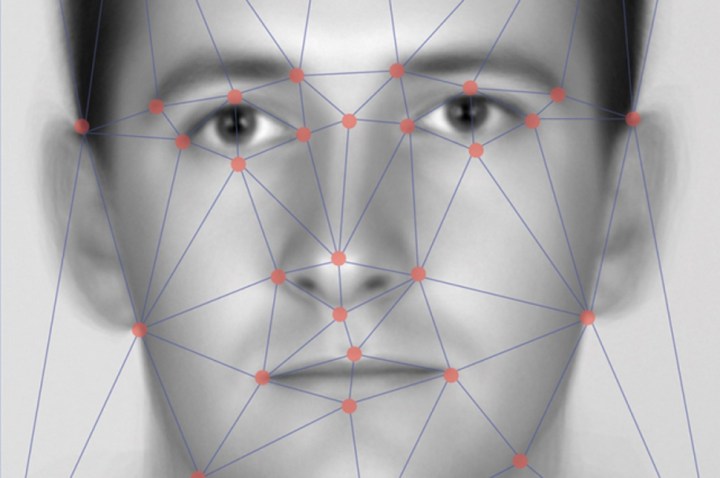
This second reaction is the thinking behind HyperFace Camouflage, a project created by Berlin-based artist and technologist Adam Harvey. The goal? To create guerilla printing patterns for clothing, capable of confusing computers. These patterns look like they have eyes, mouths, and other facial features designed to cause all manner of AI headaches.

Recommended Videos

“I’m exploiting an algorithmic preference for [machines picking out] the most face-like shape and presenting it in a way that appears less like a face to a person and more like a face to a computer vision system,” Harvey told Digital Trends. “The intended outcome is that you could trick a facial recognition system into capturing a image region that does not contain your true face. This doesn’t make you invisible but can work in very specific situations.”

Image used with permission by copyright holder

With the project still in development, it’s not completely clear what those “specific situations” may be, but given that facial recognition is being used for everything from security systems to targeted advertising, there are bound to be a plethora of use cases for it to go to work on.

The project was first presented at event organized by the Chaos Computer Club in Hamburg, Germany, at the end of last year, and its textile print is set to launch at the Sundance Film Festival on January 16.

Harvey hopes that the project will help raise awareness about the potentially creepiness of a technology that will play a growing role in our lives in the years to come.

“People’s faces are vulnerable to surveillance in a different way than digital communication,” he said. “Faces are expressive and sometimes revealing. There has never been a moment in history when you’ve been able to analyze a millions faces a second without ever telling someone why or what you’re looking at specifically. Often, it’s the case that your face is being used for marketing purposes or even in research studies without your awareness or consent. … The curse of this internet celebrity status is that you will inevitably end up in someone’s dataset. Here we can see the roots of AI bias take hold as this ‘celebrity’ data molds the future of how faces are understood, or not, by machines.”

Luke Dormehl
I'm a UK-based tech writer covering Cool Tech at Digital Trends. I've also written for Fast Company, Wired, the Guardian…
The US is trying to kick foreign robots out, but the local supply chain might not be there yet
Building a robot supply chain from scratch takes years that Washington isn't giving anyone.
LG CLOiD Home Robot

The FCC has a track record of using its Covered List to squeeze Chinese tech out of American markets, and robots just became its newest target. Foreign-made humanoids, quadrupeds, and even robot vacuums now need to be mostly built in the U.S. to sell here (via Rest of World). 

So what does the new rule actually require?

Read more
A random TikTok video helped scientists discover a rare underground fish in India
Nobody expected a borewell video to end in a scientific discovery, but here we are.
Gangaichthys indonepalicus

A TikTok video usually leads to a new recipe or a dance trend. This one led researchers straight to a brand-new species of fish.

Scientists have discovered a new genus and species of underground earthworm eel living beneath the Indo-Gangetic Plain in Bihar, northern India. Named Gangaichthys indonepalicus, it's the first subterranean eel ever recorded from the Gangetic Basin, and it all started with a random borewell (drilled well) video.

Read more
America’s breakout wildfire app has much bigger disasters in its sights
Watch Duty became essential during wildfires. Now it wants to warn you about floods
Watch Duty app now supports flood warnings

Watch Duty became one of the apps millions of Americans suddenly wanted on their phones when wildfires tore through Los Angeles in early 2025. The nonprofit now wants to continue this vision by making it useful for other natural disasters.

CEO and cofounder John Mills told Fast Company that Watch Duty’s expansion into flood monitoring is part of a plan that has been brewing for years. Nationwide flood coverage actually went live on June 8, giving anyone in the US access to flood data and mapping alongside the wildfire information already inside the app.

Read more