  1. Home
  2. Emerging Tech
  3. Legacy Archives

Seattle bar preemptively bans customers wearing Google Glass

Add as a preferred source on Google
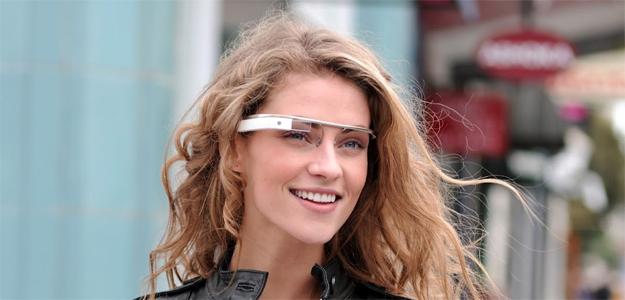
google glasses augmented reality vision brain memory
Image used with permission by copyright holder

Detailed on the Facebook page of The 5 Point Cafe, the Seattle-based diner and bar posted a negative illustration of Google Glass and indicated that anyone visiting The 5 Point Cafe while wearing the high tech glasses will be removed from the premises. Specifically, the message posted along with the illustration stated “For the record, The 5 Point is the first Seattle business to ban in advance Google Glasses. And ass kickings will be encouraged for violators.” Visitors to The 5 Point Cafe could simply remove the glasses before entering in order to avoid an altercation.

larry-page-google-glasses
Image used with permission by copyright holder

In an interview on the Luke Burbank Show, the owner of the The 5 Point Cafe indicated that privacy of customers was the main reason behind banning the advanced technology from the establishment. Owner Dave Meinert said “First you have to understand the culture of the 5 Point, which is a sometimes seedy, maybe notorious place. People want to go there and be not known … and definitely don’t want to be secretly filmed or videotaped and immediately put on the Internet.”

Recommended Videos

The location of The 5 Point Cafe is near the new Amazon campus in Seattle, hence the preemptive strike before Google Glass becomes widely available to the tech community. Meinert admitted the original post was a bit of a joke, but still doesn’t want video or photos of his customers being uploaded to the Internet using the glasses. However, anyone with a smartphone could accomplish the same feat.

With a potential holiday 2013 release looming for Google Glass, it’s possible that more businesses will follow the lead of The 5 Point Cafe and place bans on the device prior to launch. However, the hefty $1,500 price tag of the device will likely limit the total number of units sold during the busy shopping season. Hypothetically, retail establishments that wish to provide advanced interactivity with customers wearing Google Glass could end up encouraging use of the product while browsing through a store. 

Mike Flacy
By day, I'm the content and social media manager for High-Def Digest, Steve's Digicams and The CheckOut on Ben's Bargains…
Students who use AI every day may be falling behind, while moderate users pull ahead
New global testing data suggests more AI in the classroom isn't automatically better.
Logo, Text

I assumed more AI access might help students learn faster. However, a new OECD study dispels that misconception for me and everyone else who gave their children a paid version of AI chatbots, thinking it would help them through their educational journey. 

According to PISA 2025 data from 760,000 students in 91 countries, students who use AI daily score meaningfully worse on standardized tests than their peers. The full picture is more complicated than a simple ban would fix.

Read more
XPENG just put its humanoid robot on the production line, and it walked itself out
IRON clocks in for its first shift
XPENG Iron

XPENG’s humanoid robot has officially joined the workforce, and it even got an employee badge. The Chinese automaker announced on September 8 that its next-generation IRON had completed assembly and autonomously walked off its newly commissioned humanoid robot production line in Guangzhou.

CEO He Xiaopeng then pinned a staff badge onto the robot, symbolically welcoming it to the XPENG team. It is a charming little ceremony for a machine that the company hopes will eventually become a regular part of everyday life. XPENG is moving IRON beyond R&D prototypes toward production-line manufacturing, applying the quality-control systems and manufacturing experience it has developed through its electric vehicle business.

Read more
An AI-designed drug might help slow aging, but we’re not there yet
The results hint at a possible anti-aging effect, but there’s still a long way to go before we know what it means.
medical test tubes

Rentosertib, a drug Insilico Medicine designed almost entirely using AI, was created to treat idiopathic pulmonary fibrosis, a disease that scars and stiffens the lungs over time. But fighting lung disease was only half the plan from the start.

According to a new study published in Nature Biotechnology, the drug's target was chosen specifically because it overlaps heavily with the biology of aging, and the whole trial was designed to test whether treating the lungs could also mean turning back the body's biological clock.

Read more