  1. Home
  2. Smart Home
  3. News

Ring is launching its first integrated pan-tilt security camera later this year

Add as a preferred source on Google
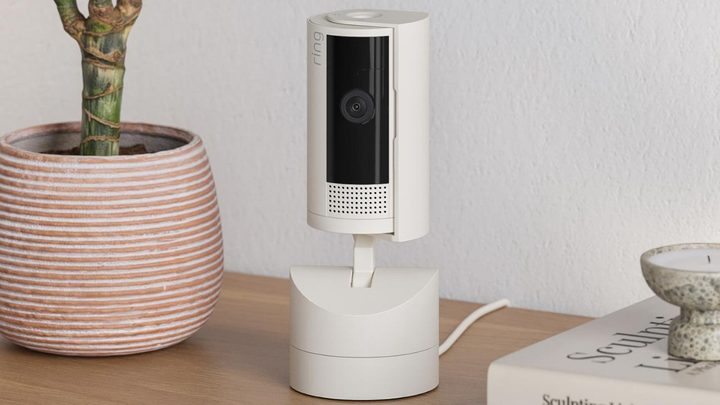
The Pan-Tilt Indoor Cam Starlight on a shelf.
Ring

Ring’s catalog is growing a bit larger this month with the arrival of the Ring Pan-Tilt Indoor Cam on May 30. This marks the first time the company has released an integrated pan-tilt camera, and for shoppers seeking a device that can capture all corners of their room, it should be an enticing option.

Using the Ring app, you can control the viewing angle of the Pan-Tilt Cam remotely. Its motorized base can swivel up or down and pan left or right, allowing you to move the camera as you see fit. That allows for 360-degree horizontal coverage and 169-degree vertical tilt coverage. Ring says it designed the camera to deal with a variety of common situations experienced by its customers — such as scanning a living room to check on a pet or attempting to monitor multiple doorways and windows throughout the home.

Recommended Videos

The camera supports HD video along with the usual suite of Ring mobile app features, including Live View, two-way audio, and customizable motion alerts. Of course, you’ll need to sign up for a Ring Protect Plan to get the most out of the camera, with plans starting at $5 per month. Another nice touch is the built-in privacy shutter, which can be manually closed to disable both audio and video. The Pan-Tilt Cam is available in a variety of colors, such as black, white, blush, charcoal, and starlight.

While the Ring Pan-Tilt Cam won’t start shipping until May 30, preorders are now open for the black or white models, and they carry a price tag of $80. Ring notes that the blush, charcoal, and starlight models will be available soon, though a specific date is yet to be revealed.

This won’t be the only pan-tilt security camera when it becomes available, with the old Blink Mini Indoor Pan-Tilt Camera remaining a great option for frugal shoppers at just $40. It’ll be interesting to see how the $80 Ring Pan-Tilt Cam stacks up to the competition when it arrives later this month.

Jon Bitner
Former Digital Trends Contributor
Jon Bitner is a writer covering consumer electronics, technology, and gaming. His work has been published on various websites…
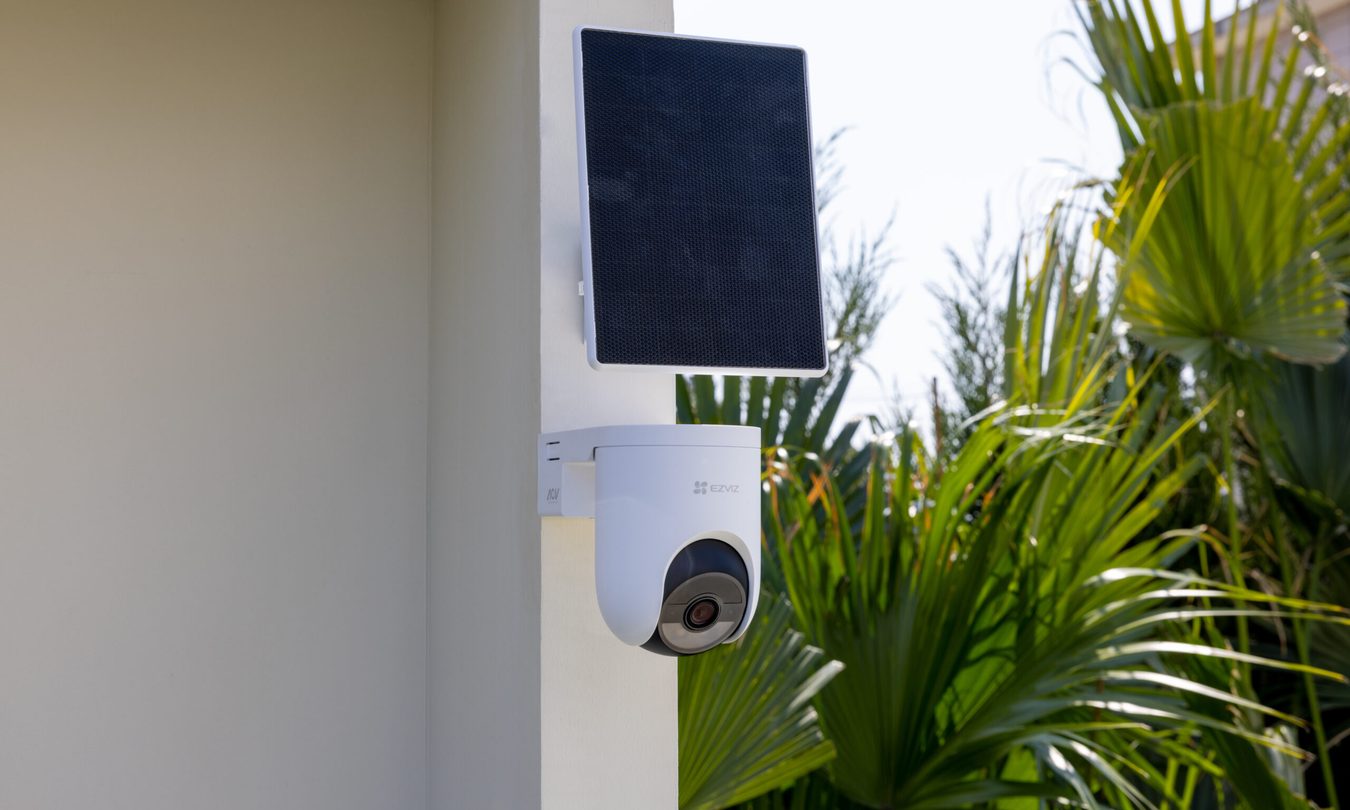
Why Your Next Outdoor Security Camera Might Need Three Lenses
EZVIZ Puts Triple-Lens Outdoor Security in the Spotlight at IFA 2026
camera, security camera

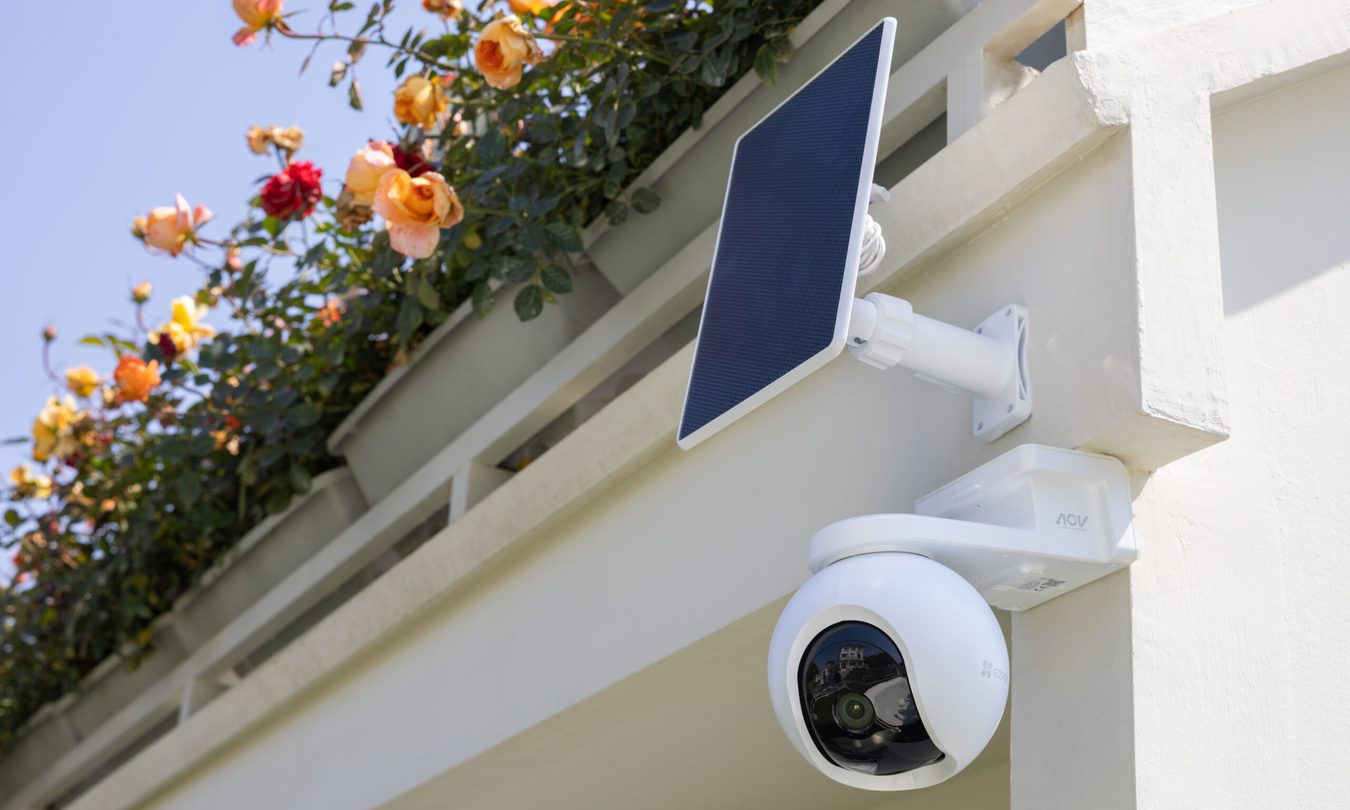
Monitoring a home often means watching several things at once. Just as a car pulls into the driveway, a visitor might approach the front gate, or movement could catch your eye in the side garden. For many European homes, this is a familiar scenario.

The challenge becomes even more noticeable when a property includes a backyard, detached garage, or swimming pool. Installing another camera for every angle is one solution, but it also means more devices to set up, manage, and maintain.

Read more
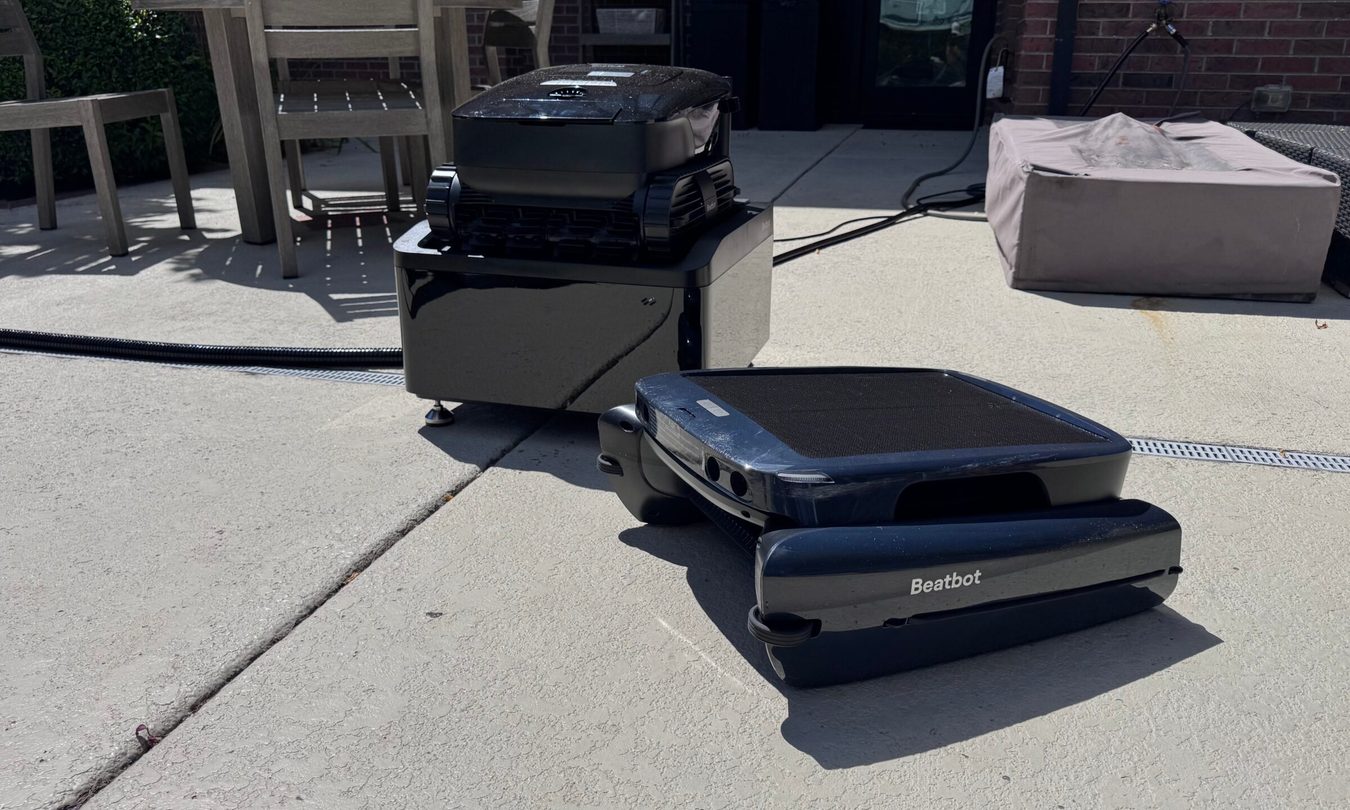
I played with Yarbo’s yard robot at IFA, and now I want one for every season
One tracked robot, a new job for every season
Yarbo M-series Featured 2

I’ll admit, I wasn’t expecting a yard robot to be one of the more entertaining things I’d get my hands on at IFA 2026. Then I walked over to Yarbo’s booth and started playing around with the M Series.

The basic idea is wonderfully simple: instead of buying a different robot for every outdoor chore, Yarbo gives you one tracked robotic Core and a collection of attachments. Swap the module, and suddenly your robot has a completely different job. Mowing? Yep. Snow? Yep. Leaves? Yep. And there’s even a trimmer module on the way.

Read more
WindGroove’s AirFi One imagines a smarter home with fewer devices
The future of smart homes may not be more devices, but better-designed experiences
Architecture, Building, Furniture

The future of smart homes may not be more devices, but better-designed experiences

Minimalism has reshaped almost every corner of the modern home. Kitchens hide appliances behind seamless cabinetry, televisions have become slimmer and more discreet, and storage is increasingly designed to disappear into the architecture. The goal isn’t simply to own better things. It’s to create spaces that feel calmer, cleaner, and more intentional. Smart home technology, however, has largely moved in the opposite direction. Every upgrade seems to introduce another speaker, another controller, another light, or another connected device competing for space and attention.

Read more