1. Home
  2. Phones
  3. Android
  4. Mobile
  5. Outdoors
  6. News

App schools fishing fans on the best time and place to hook that dream catch

Add as a preferred source on Google

Fishing may sometimes be about relaxing by the river bank with your line in the water, and waiting to see what bites. However, there will be other times where you don’t want to sit there like a chump, in the vague hope a prize trout or bass gets hooked. For those days, you will want the Fishbrain app, with its new BiteTime feature, which helps keen anglers plan ahead and know where and when is the best time to catch a certain fish.

How? By using Fishbrain’s extensive library of data and some cutting-edge machine learning. If you’re not familiar with Fishbrain, at its heart it is Instagram for those who love to fish. But underneath the photo-sharing aspect, Fishbrain collects and analyzes data from catches, locations, and conditions. This was used for a basic version of BiteTime in the app called Fishing Forecast, introduced in 2014, but BiteTime brings it right up to date.

Image used with permission by copyright holder

Fishbrain has data from an astonishing 5.4 million catches, and more than 30 different weather and climate attributes. BiteTime takes all this data to come up with the best time to catch a particular fish species, in any body of water, anywhere in the world. Fishbrain gives the example that if you were planning a fishing trip to Point Harbor in San Francisco, BiteTime would tell you that if you want a largemouth bass on your hook, you best be there at 4 a.m. You’d also see if the weather conditions and climate trends from previous catches matched the forecast — including everything from moon phase to air pressure — so you could avoid a wasted journey.

Recommended Videos

BiteTime presents all this in bar graphs, and applies its data to 50 different species of fish. Previously, fishermen relied on forecasts that came other fishermen, fishing boat captains, and state departments, all based on what was seen and experienced in the water. Fishbrain takes this a step further by mixing it with machine learning.

The idea, says Fishbrain CEO Johan Attby, is for the app to, “do all the complicated work so that you can focus on the fun bit: Catching fish.” He continued, “Using this unprecedented amount of data we can calculate the best time of day or night to catch a particular species of fish, using the most accurate fishing forecast ever produced, which significantly increases the chances of success. Excitingly we can now also definitively prove and disprove the numerous myths that surround fishing times for different types of fish.”

Fishbrain is available for Android and iOS, and is one of Casio’s partners on the new Pro Trek WSD-F30 smartwatch, taking advantage of the watch’s sensors and mapping features. To take advantage of the BiteTime feature, you will have to pay for the premium version of Fishbrain, which costs $75 per year.

Andy Boxall
Andy has written about mobile technology for almost a decade. From 2G to 5G and smartphone to smartwatch, Andy knows tech.
I went hands-on with Samsung Galaxy Z Fold 8 Ultra. It’s peak foldable in an old garb. 
It may not look like a fresh start, but underneath the familiar chassis, there's plenty of thoughtful engineering tweaks.
Samsung Galaxy Z Fold 8 Ultra

Samsung just wrapped up its glitzy Unpacked event, revealing three new foldable phones and a pair of smartwatches. While my heart flutters for the pocketable Galaxy Z Fold 8, it’s the Ultra variant that truly feels like a refinement. Interestingly, when you look at the Galaxy Z Fold 8 Ultra for the first time, you might mistake it for the Galaxy Z Fold 7.

Both of them look identical, and Samsung has not made any visible changes on the Galaxy Z Fold 8 Ultra for it to stand out from its predecessor. Color options, obviously, are fresh this time around, but there are a few changes that have been made under the hood, and they make this phone feel like a practically rewarding iteration.

Read more
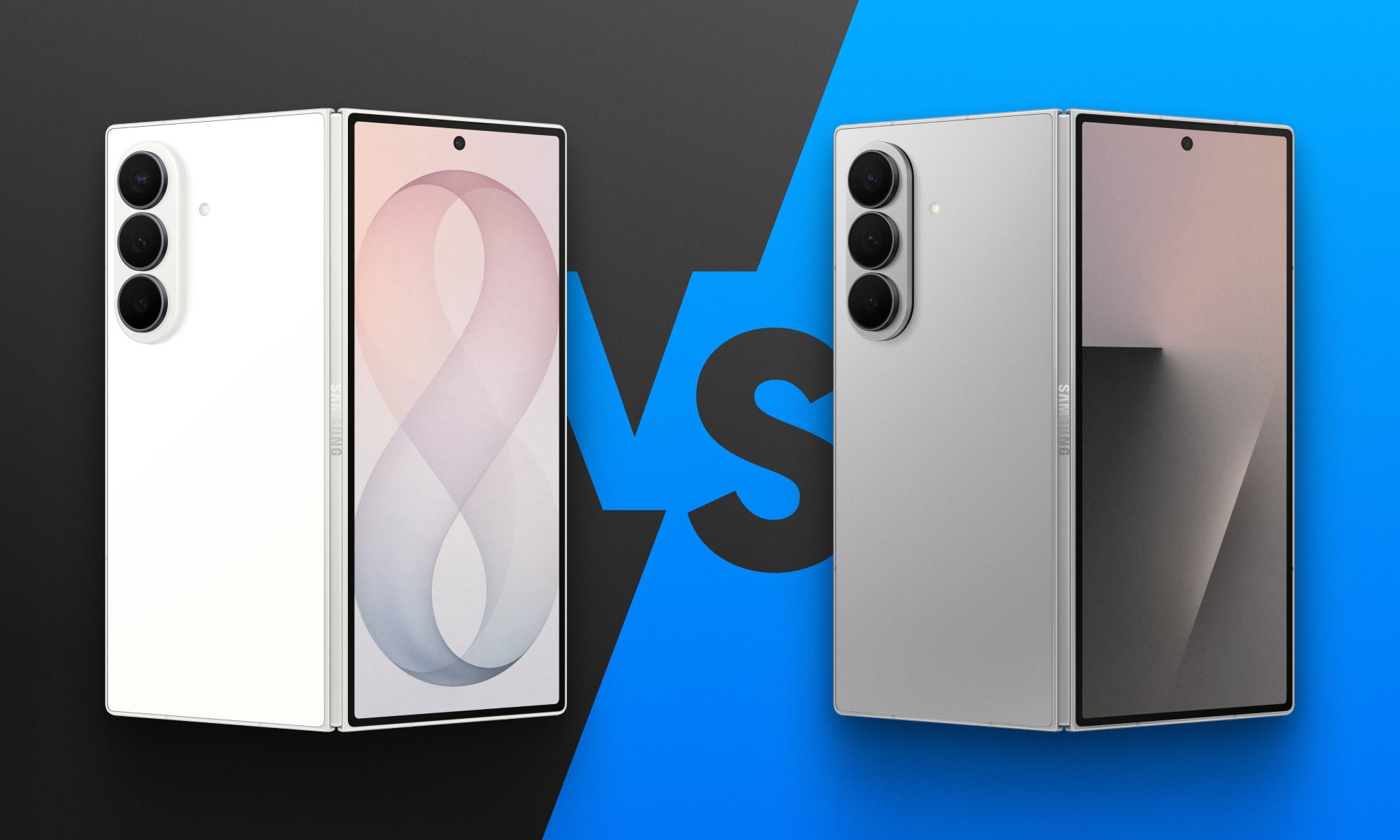
Fold 8 Ultra vs. Fold 7: Upgrades across the board, but is the Ultra really worth the upgrade?
From battery capacity to camera hardware, here's a full comparison between the Galaxy Z Fold 8 Ultra and Galaxy Z Fold 7, and whether upgrading actually makes sense.
Galaxy Z Fold 8 Ultra vs. Fold 7

Foldables age differently than regular smartphones or flagships. But why do I say this? It's the hinge and the foldable aspect that wins buyers over in the first place, not the specifications that get outdated every single year. That's precisely why anyone still carrying last year's Galaxy Z Fold 7 is asking a fair question today: does Samsung's freshly unveiled Z Fold 8 Ultra genuinely earn an upgrade, or does the Fold 7 still hold its ground?

And for shoppers who skipped last year's model entirely and are weighing their first foldable purchase, the calculus is totally different. A now-discounted Fold 7 might undercut the Ultra by a considerable sum, and that could matter to those looking to spend on the form factor, not the latest specifications. 

Read more
Samsung makes it easier to run multiple apps on Galaxy Z Flip 8’s cover screen
Samsung's Galaxy Z Flip 8 now runs 16 apps on its cover screen.
Galaxy Z Flip 8 cover display

Samsung is finally making the Galaxy Z Flip's cover screen much more useful. With the new Galaxy Z Flip 8, you no longer have to rely on workarounds to access more apps without unfolding the phone. Instead, Samsung has expanded native support on the FlexWindow, allowing 16 apps to run directly on the outer display and also making it much easier to launch virtually any other app.

The update addresses one of the biggest complaints Flip users have had for years and brings Samsung up to the level of rivals like Motorola, whose Razr series has long offered a more flexible cover screen experience.

Read more