

The OnePlus 6 is finally here, and if you’re a longtime OnePlus fan, you may be considering an upgrade. We already looked at whether it’s worth upgrading if you’re coming from a OnePlus 5 or 5T, so now let’s see if the OnePlus 6 is worth the jump from the OnePlus 3 or 3T.
Specs
| OnePlus 3 | OnePlus 3T | OnePlus 6 | |
| Size | 152.7 x 74.7 x 7.4 mm (6.01 x 2.94 x 0.29 inches) | 152.7 x 74.7 x 7.4 mm (6.01 x 2.94 x 0.29 inches) | 155.7 x 75.4 x 7.8 mm (6.13 x 2.97 x 0.31 inches) |
| Weight | 158 grams (5.57 ounces) | 158 grams (5.57 ounces) | 177 grams (6.24 ounces) |
| Screen | 5.5-inch AMOLED | 5.5-inch AMOLED | 6.28-inch AMOLED |
| Resolution | 1,920 x 1,080 pixels (401 pixels per inch) | 1,920 x 1,080 pixels (401 pixels per inch) | 2,280 x 1,080 pixels (407 pixels per inch) |
| OS | Android 8.0 Oreo | Android 8.0 Oreo | Android 8.1 Oreo |
| Storage | 64GB | 64/128GB | 64/128/256GB |
| MicroSD card slot | No | No | No |
| NFC support | Yes | Yes | Yes |
| Processor | Qualcomm Snapdragon 820 | Qualcomm Snapdragon 821 | Qualcomm Snapdragon 845 |
| RAM | 6GB | 6GB | 6/8GB |
| Connectivity | GSM / HSPA / LTE | GSM / HSPA / EVDO / LTE | GSM / CDMA / HSPA / LTE |
| Camera | 16MP rear, 8MP front | 16MP rear, 16MP front | Dual 16MP and 20MP rear with OIS, 16MP front |
| Video | 2,160p at 30fps, 1,080p at 60fps, 720p at 120fps | 2,160p at 30fps, 1,080p at 60fps, 720p at 120fps | 2,160p at 60fps, 1,080p at 240fps, 720p at 480fps super slow motion |
| Bluetooth | Yes, version 4.2 | Yes, version 4.2 | Yes, version 5.0 |
| Fingerprint sensor | Yes (front) | Yes (front) | Yes (back) |
| Other sensors | Accelerometer, gyroscope, proximity, compass | Accelerometer, gyroscope, proximity, compass | Accelerometer, gyroscope, proximity, compass |
| Water resistant | No | No | No |
| Battery | 3,000mAh | 3,400mAh | 3,300mAh |
| Ports | USB-C, headphone jack | USB-C, headphone jack | USB-C, headphone jack |
| Marketplace | Google Play | Google Play | Google Play |
| Color offerings | Graphite, Soft Gold | Gunmetal, Soft Gold, Midnight Black | Midnight Black, Mirror Black, Silk White (limited edition) |
| Carriers | Unlocked (works with AT&T and T-Mobile) | Unlocked (works with AT&T and T-Mobile) | Unlocked (works with AT&T and T-Mobile) |
| Price | $400 | $440 | $530 |
| DT review | 4/5 stars | 4/5 stars | Hands-on |
Performance, battery life, and charging

It’s clear the OnePlus 6 trounces the OnePlus 3 and 3T in terms of specifications. The much-improved processor is a surefire way of knowing that the latest phone will be faster and more powerful in every way imaginable. While the OnePlus 3 and 3T feature the Qualcomm Snapdragon 820 and 821, respectively, the OnePlus 6 boasts the new Snapdragon 845 — which is significantly better than the Snapdragon 821. All three of the phones feature at least 6GB of RAM, however the OnePlus 6 boasts an option for 8GB. In terms of raw performance, the Snapdragon 845 is up to 30 percent faster than the 835, which is in turn up to 27 percent faster than the 821.
The battery on the OnePlus 3 is the smallest of the bunch, while the OnePlus 3T’s is the biggest. Still, differences in software and processor efficiency should ideally mean that the OnePlus 6’s 3,300mAh battery lasts the longest. All three devices support OnePlus’ Dash Charge, and none of them support wireless charging. It’s an easy win for the OnePlus 6.
Winner: OnePlus 6
Design and durability

The OnePlus 6 capitalizes on 2018 smartphone design trends with super-slim bezels, thanks to an edge-to-edge display and a small notch on the front for the front-facing camera and earpiece. There’s also now a glass back with a dual camera and a rear fingerprint sensor. It also swaps the mute switch to the right side of the phone, which will be easier to access for right-handed people.
The OnePlus 3 and 3T look dated. There are chunky bezels on the top and bottom of the phone, the fingerprint sensor is on the front, and there’s only a single-sensor camera on the back. It’s not a bad look, but they just don’t look as good as the OnePlus 6. On the bright side, if you absolutely hate the notch design, then the OnePlus 6 may not be for you — though you will be able to hide it via software through a later update.
The use of glass on the OnePlus 6 does subtract some points for durability; there’s less glass to break on the OnePlus 3 and 3T. None of these phones have any official water-resistant IP rating.
While we love the look of the OnePlus 6, the OnePlus 3 and 3T’s lack of excess glass make them more durable, so this one’s a tie.
Winner: Tie
Display
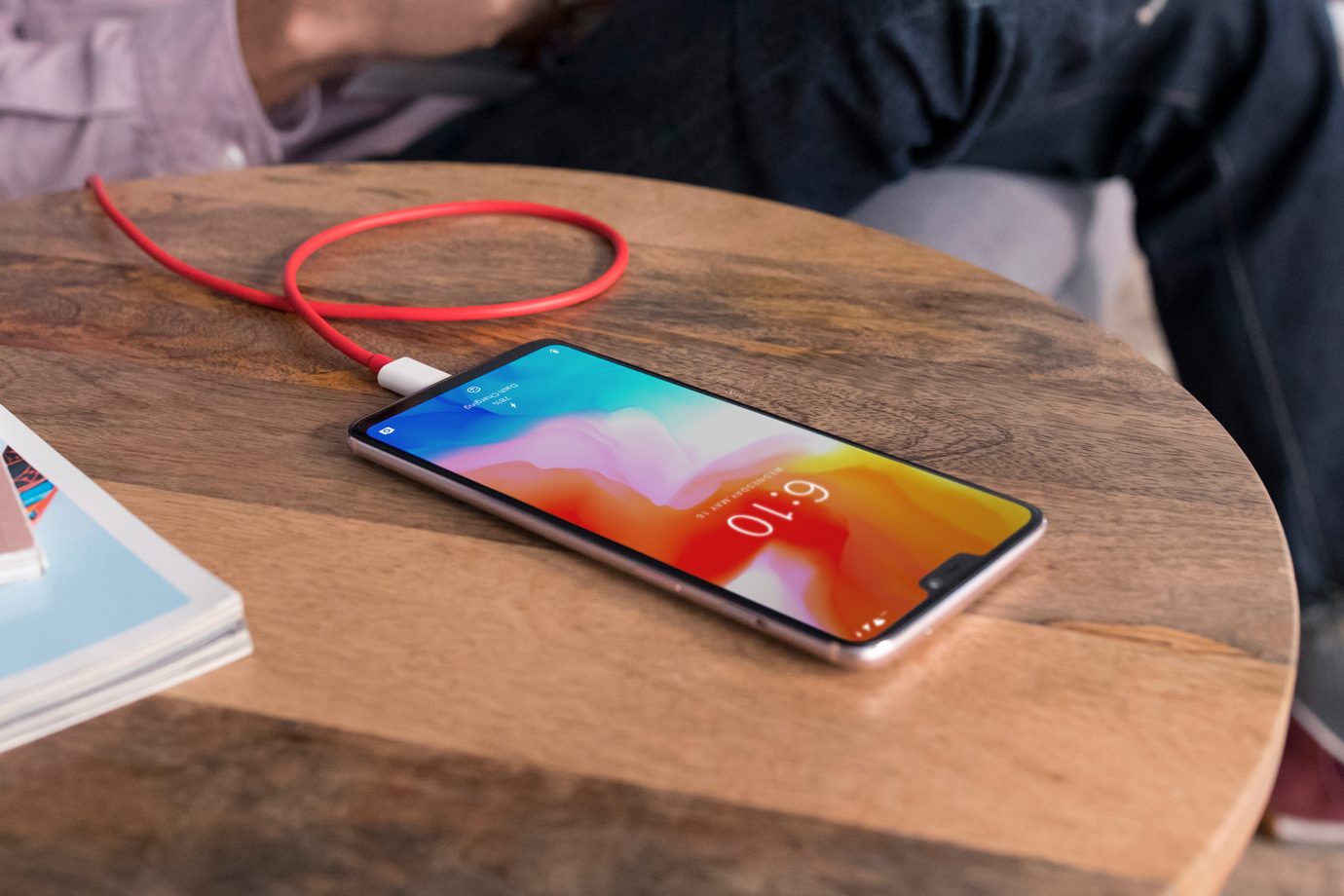
The OnePlus 3 and 3T feature a 5.5-inch AMOLED display with a resolution of 1,920 x 1,080, and two years later the resolution isn’t that much higher. Because of the slightly longer shape, the resolution is now 2,280 x 1,080. In terms of pixel density, the OnePlus 6 has 407 pixels per inch (ppi), whereas the 3 and 3T have 401 ppi. You likely won’t notice much of a difference here.
You will notice the much bigger AMOLED screen on the OnePlus 6. At 6.28 inches, you get much more screen real estate. At the same time, the phone isn’t that much bigger than the OnePlus 3 or 3T, thanks to the minimized bezels. A bigger screen on a similar-sized phone is always a win.
Winner: OnePlus 6
Camera

The OnePlus 6 isn’t the first OnePlus phone with dual cameras, but the OnePlus 3 or 3T only sport one rear 16-megapixel camera. The OnePlus 6 has a 16-megapixel lens as well as a 20-megapixel lens, both with optical image stabilization. The second lens doesn’t have optical zoom like some other dual-camera setups. Instead, OnePlus said it helps with low-light photography. The new camera setup can also record video at higher frame rates, as well as in super slow motion at 480 frames per second at 720p.
The front-facing camera on the OnePlus 3 comes in at 8 megapixels, but both the OnePlus 3T and OnePlus 6 step things up to 16 megapixels. We’ll have to wait and see how good the camera on the OnePlus 6 really is, but at least on paper — and from what we’ve seen with improvements on the OnePlus 5 and 5T — it should easily be better than the OnePlus 3 or 3T.
Winner: OnePlus 6
Software and updates
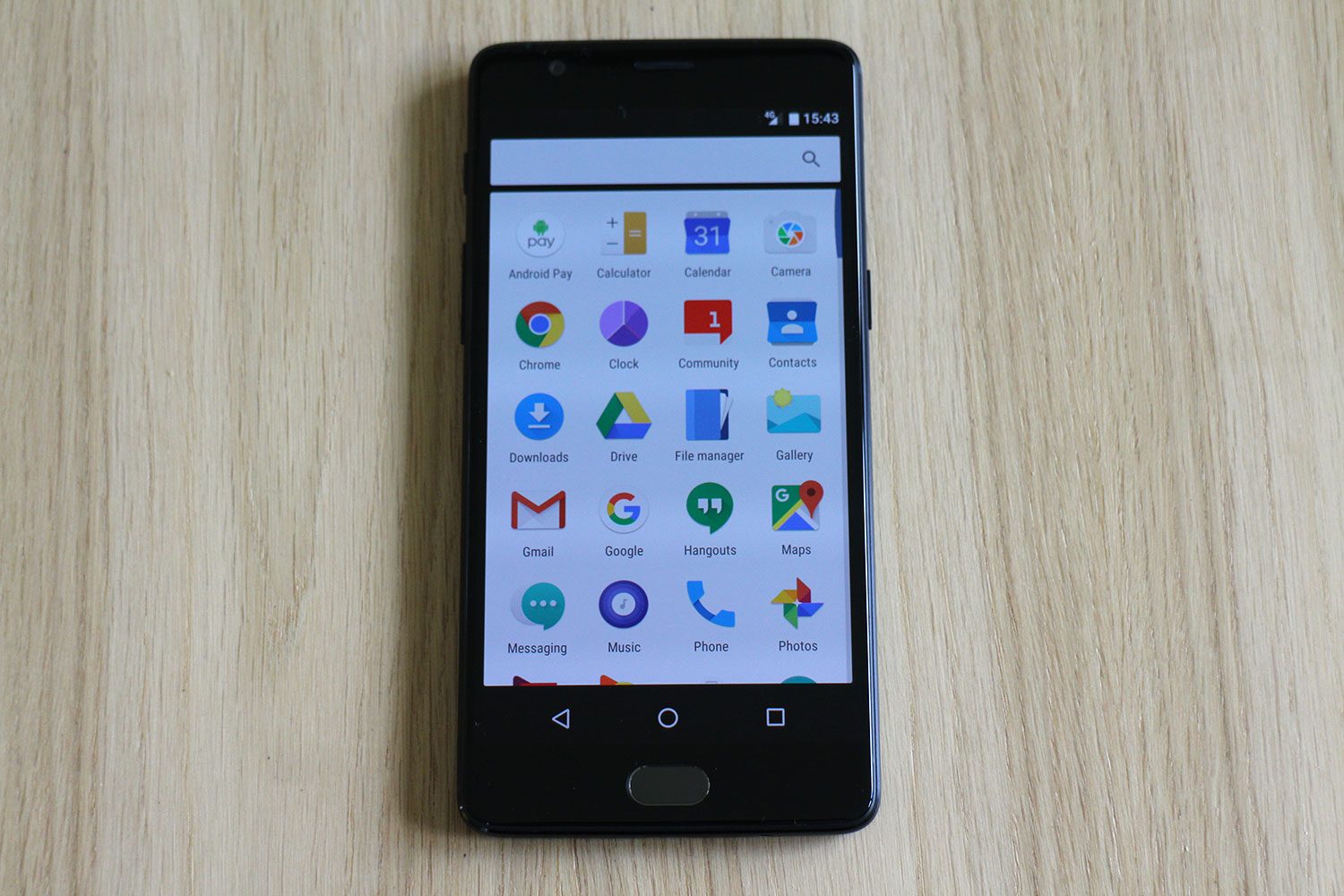
OnePlus has its own version of Android called OxygenOS, and it’s close to stock Android with minimal bloatware. The OnePlus 3 and OnePlus 3T both shipped with Android 6.0 Marshmallow, but they’ve both been updated to Android 8.0 Oreo. The OnePlus 6 ships with Android 8.1 Oreo, and will likely get updated to Android P and Android Q when they arrive. You’ll likely see support for the OnePlus 3 and 3T start to wane very soon.
The OnePlus 6 has a Gaming Mode, which switches off notifications and reduces latency by limiting data to background apps, but the OnePlus 3 and 3T also have this feature through an OxygenOS update. There’s not much else radically newer, software-wise, that the OnePlus 6 offers. It still takes the win, however, because it will be supported for a longer period of time.
Winner: OnePlus 6
Price
At launch, the OnePlus 3 came at $400, while the the OnePlus 3T cost $440. The OnePlus 6 steps the price up a little to $530. In any case, there isn’t much reason to buy a OnePlus 3 or 3T today for newcomers — and the OnePlus 6 still boasts excellent value for money.
Overall winner: OnePlus 6
It’d be surprising if the OnePlus 6 wasn’t the best phone of the bunch. But if you have a OnePlus 3 or 3T, should you upgrade? We think so. It has been about two years since the launch of the OnePlus 3, and we think the OnePlus 6 is still a worthy upgrade for the OnePlus 3T as well, with overall improvements across the board. If you don’t feel the need to upgrade your phone, there’s likely a OnePlus 6T on the way later this year.


