1. Home
  2. Photography
  3. Computing
  4. Legacy Archives

Adobe Lightroom 4.4 adds fix to Fujifilm<br>X-Trans raw processing problem

Add as a preferred source on Google

Hands on with the Fujifilm X100SCheck out our review of the Fujifilm X100S digital camera.

Adobe has updated Photoshop Lightroom to 4.4 and Camera Raw to 7.4, and if you’re an owner of a Fujifilm X100S (shown above), X20, X-Pro1, and X-E1, this is big news for you. Fujifilm and Adobe have been collaborating on improving the processing of raw image capture with Fujifilm’s X-Trans CMOS and EXR sensors, and the latest updates reflect the work they’ve done.

Recommended Videos

The X-Trans CMOS (which includes the new X-Trans CMOS II) uses a new sensor filter array to improve image quality. But because the sensor doesn’t utilize the traditional Bayer filter array – which uses repeating, alternating rows of red, blue, and green filters, versus the X-Tran’s that has a higher degree of randomness – Photoshop Lightroom hasn’t been able to handle the raw data properly. The update improves the processing of raw files in the cameras that use the X-Trans CMOS, which will result in “better Moire reduction and enhanced performance in color reproduction,” according to Fujifilm.

“Lightroom 4.4 includes a correction to the demosaic algorithms for Fujifilm cameras with the X-Trans sensor,” impacting the aforementioned X-series cameras specifically, says Adobe’s Sharad Mangalick. “Demosaic” refers to “demosaicing algorithm,” which is the digital image processing that recreates a full image by translating each pixel with red, green, and blue data the sensor captures.

The updates also improves the demosaic algorithms for the EXR sensor, which is the sensor used by the X10, XF1, and X-S1, and FinePix S200EXR, HS20EXR, HS30EXR, F550EXR, F600EXR, F770EXR, and F800EXR.

Besides Fujifilm, the new Adobe updates also fixes white-balance settings for select Nikon cameras, as well as support for new cameras like Canon’s EOS Rebel SL1, Samsung’s NX300, Nikon’s Coolpix A.

Check out Adobe’s blog for the full details.

Enid Burns
Former Contributor
Enid Burns is a freelance writer who has covered consumer electronics, online advertising, mobile, technology electronic…
I bought Kodak’s viral keychain camera, and the bad photos are part of its charm
The Kodak Charmera is barely a camera, and I still keep using it
Machine, Wheel, Camera

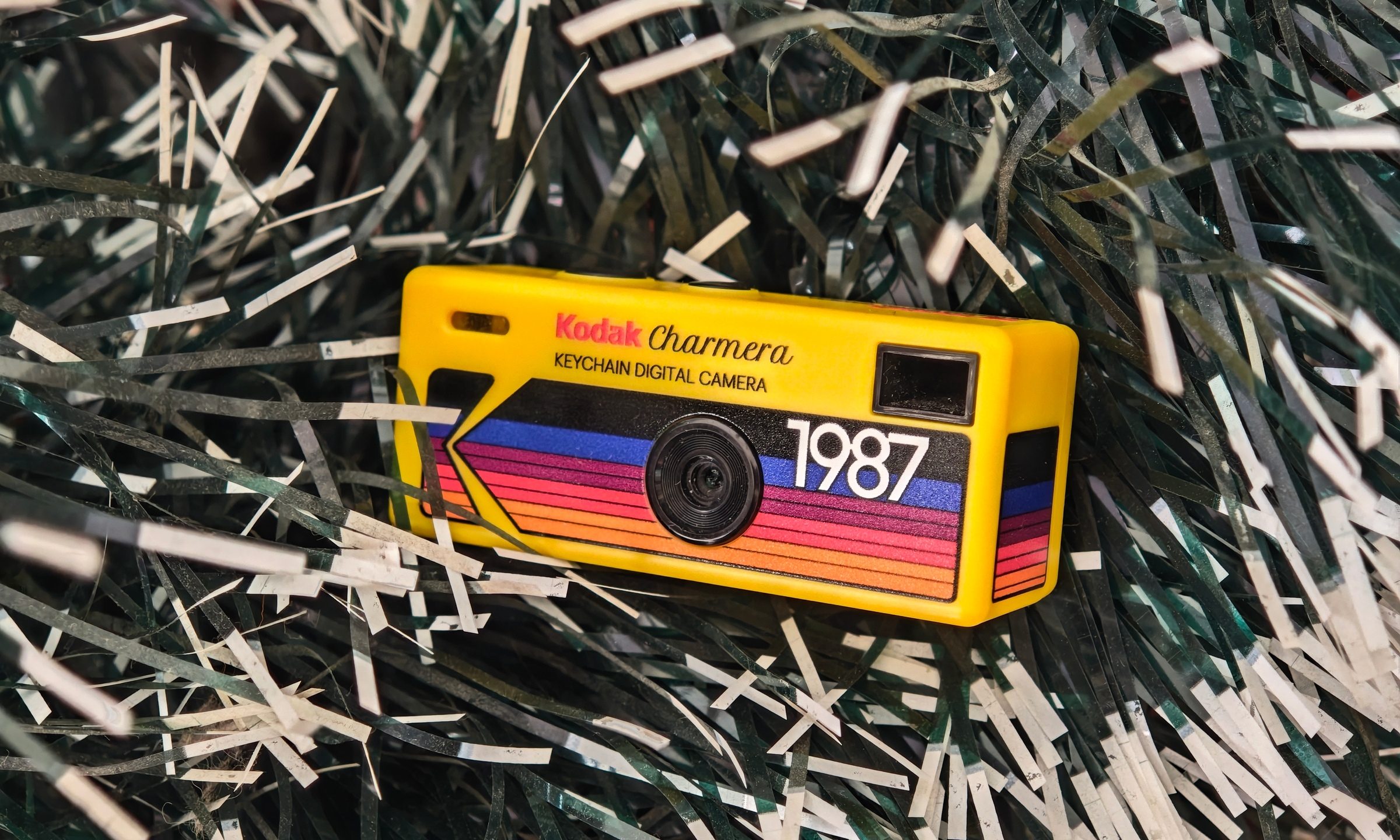
I bought the Kodak Charmera partly because I wanted a portable digital camera, and partly because I wanted a pretty little collectible. The Charmera is sold as a blind box, so you do not know which version you are getting until the box is opened. There are multiple retro Kodak-style designs, plus a transparent secret edition that looks like the one everyone would want.

I had the shopkeeper pick my box for better luck, and it worked out. I got the yellow variant, which is inspired by Kodak's original 80s disposable camera. The transparent one is definitely the fun collector’s piece, but the yellow model feels like the proper Kodak version. It looks like a tiny toy camera that escaped from a souvenir shop, found a keyring, and now hangs around wherever you go.

Read more
This new $30 keychain camera is coming for Kodak Charmera with a flip screen for selfies
Yashica's new camera makes toy photography more fun
YASHICA Funtastic Keychain Camera in multiple variants

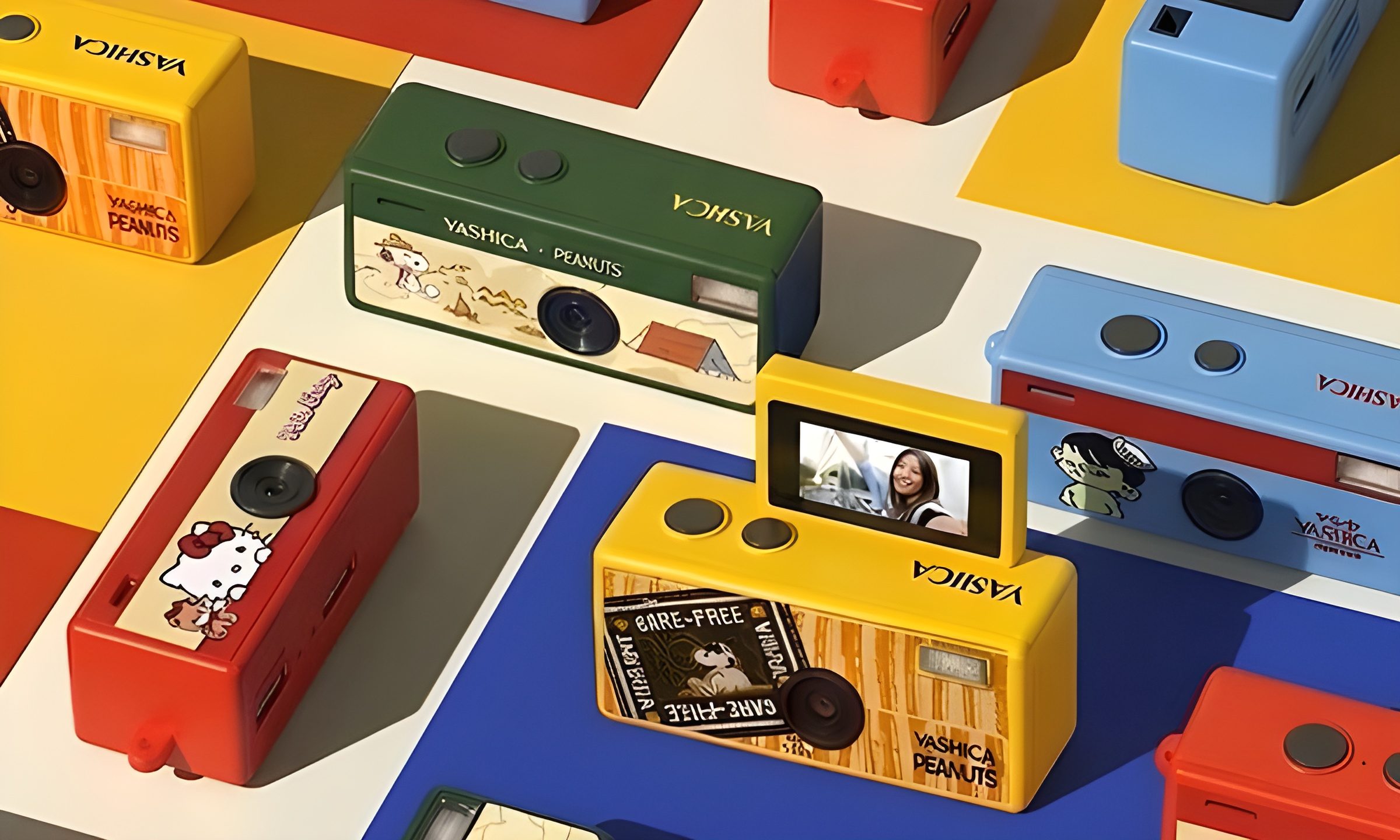
Tiny digital cameras are all the rage, and Yashica is now offering a very cute toy photography experience of its own. The company’s new Funtastic Keychain Camera is exactly what the name suggests, a miniature digital camera small enough to clip onto your keys, bag, or lanyard. The popular Kodak Charmera is the obvious comparison, which brings a tiny blind-box keychain camera that became a viral collectible.

Now, Yashica's version lands in the same novelty-camera lane, but adds one very useful trick, which is a 180-degree flip screen.

Read more
Google releases big v4.0 update for its popular Snapseed editing app on Android
Electronics, Phone, Mobile Phone

After years of sitting on its hands, Google appears to have remembered it owns one of the best photo editing apps on mobile. Snapseed 4.0 is now rolling out to Android, bringing the platform up to speed after a stretch of iOS exclusivity that left Android users watching from the sidelines.

The story starts last June, when Google quietly broke Snapseed out of its long dormancy with a significant 3.0 update for iPhone. It was a surprise move that suggested the company was serious about the app again. Google then confirmed at the start of this year that Android wouldn't be left behind for long, and true to that word, the Play Store listing has now been updated to reflect version 4.0 — skipping straight past 3.0 for Android users and landing both platforms on the same version simultaneously.

Read more