1. Home
  2. Photography
  3. News

The Fujifilm X-Pro3’s hidden LCD is an homage to film, but might be frustrating

Add as a preferred source on Google

The first thing you’ll notice about the new X-Pro3 isn’t what Fujifilm has added, but rather what it has appeared to take away. At first glance, it seems the street photography-focused mirrorless camera has no rear LCD monitor, replaced instead with a small display that shows the selected film simulation and exposure settings. In truth, the monitor is simply hidden on the reverse side of a fold-out panel on the back of the camera.

The apparent reason for this design is to free photographers from the urge to “chimp,” or to constantly check every photo on the back of the screen, and to keep their eyes focused on the scene in front of them. Combined with the hybrid optical/electronic viewfinder the X-Pro series is known for, the X-Pro3 brings a decidedly analog approach to digital photography, although it stops short of going the route of the Leica M-D and removing the LCD entirely. Whether or not Fujifilm’s approach works in practice remains to be seen, but it’s certainly a bold move that will only please a small niche of photographers.

Recommended Videos

The rest of the X-Pro3 looks very similar to the X-Pro2, but with the expected upgrades to the tech first introduced in the Fujifilm X-T3. That includes the 26-megapixel APS-C sensor and quad-core image processor. 4K video, in both 3,840 x 2,160 and 4,096 x 2,160 resolutions, is offered up to 30 frames per second at 200 megabits per second — not quite to the level of the X-T3, but probably more than enough for the X-Pro3’s target customer. The electronic portion of the viewfinder has also been bumped up to 3.69 million pixels.

Despite the internal similarities, the X-Pro3’s design further widens the gap between Fujifilm’s two X Series flagships, gaining an even narrower focus on street photography compared to the broader use cases for the X-T3. It also features top and base plates made from titanium.

Many cameras with articulating LCD screens allow the screen to be reversed, with its face against the back of the camera. Some photographers may wonder why Fujifilm simply didn’t opt for such a familiar design, which would have still allowed photographers easily distracted by an LCD screen to simply rotate it out of view. We haven’t had hands-on time with the camera yet, but look forward to testing out the new design to see how it affects the shooting experience.

The X-Pro3 will be priced at $1,800 for the standard black version, or $2,000 in either black or silver Duratect finish which offers superior scratch resistance.

Daven Mathies
Daven is a contributing writer to the photography section. He has been with Digital Trends since 2016 and has been writing…
The FCC’s latest crackdown could put more than DJI drones at risk in the US
Robot, Person, Face

DJI may have found creative ways to keep some of its products flowing into the US, but those efforts are now drawing increased attention from regulators. According to The Verge, the US Federal Communications Commission (FCC) has started cracking down on several companies it believes could be helping DJI continue selling products in the country. These businesses have been described by industry observers as "DJI front companies" because they market or import products that appear to be closely tied to the Chinese drone maker while operating under different brand names.

DJI's alleged back door may be closing

Read more
I bought Kodak’s viral keychain camera, and the bad photos are part of its charm
The Kodak Charmera is barely a camera, and I still keep using it
Machine, Wheel, Camera

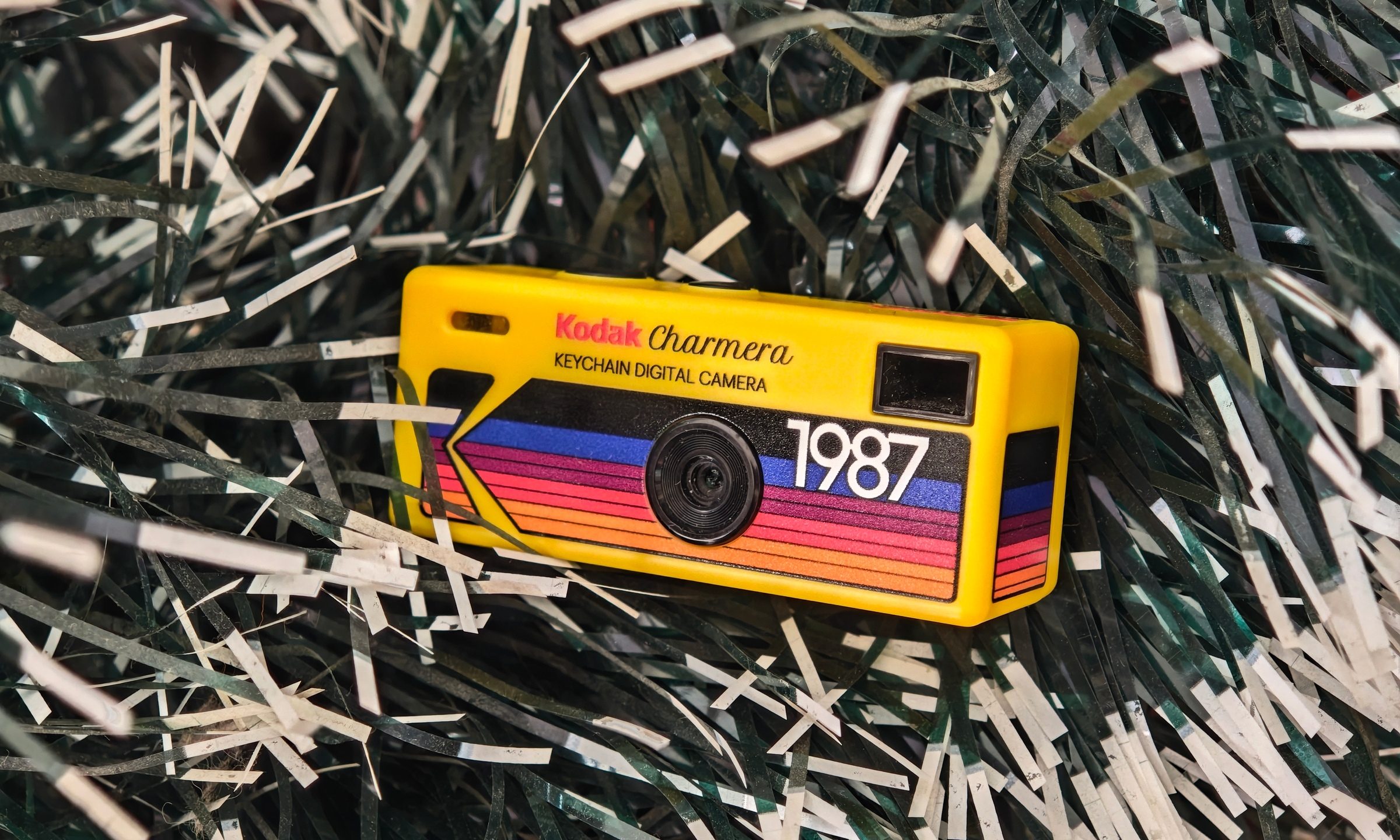
I bought the Kodak Charmera partly because I wanted a portable digital camera, and partly because I wanted a pretty little collectible. The Charmera is sold as a blind box, so you do not know which version you are getting until the box is opened. There are multiple retro Kodak-style designs, plus a transparent secret edition that looks like the one everyone would want.

I had the shopkeeper pick my box for better luck, and it worked out. I got the yellow variant, which is inspired by Kodak's original 80s disposable camera. The transparent one is definitely the fun collector’s piece, but the yellow model feels like the proper Kodak version. It looks like a tiny toy camera that escaped from a souvenir shop, found a keyring, and now hangs around wherever you go.

Read more
This new $30 keychain camera is coming for Kodak Charmera with a flip screen for selfies
Yashica's new camera makes toy photography more fun
YASHICA Funtastic Keychain Camera in multiple variants

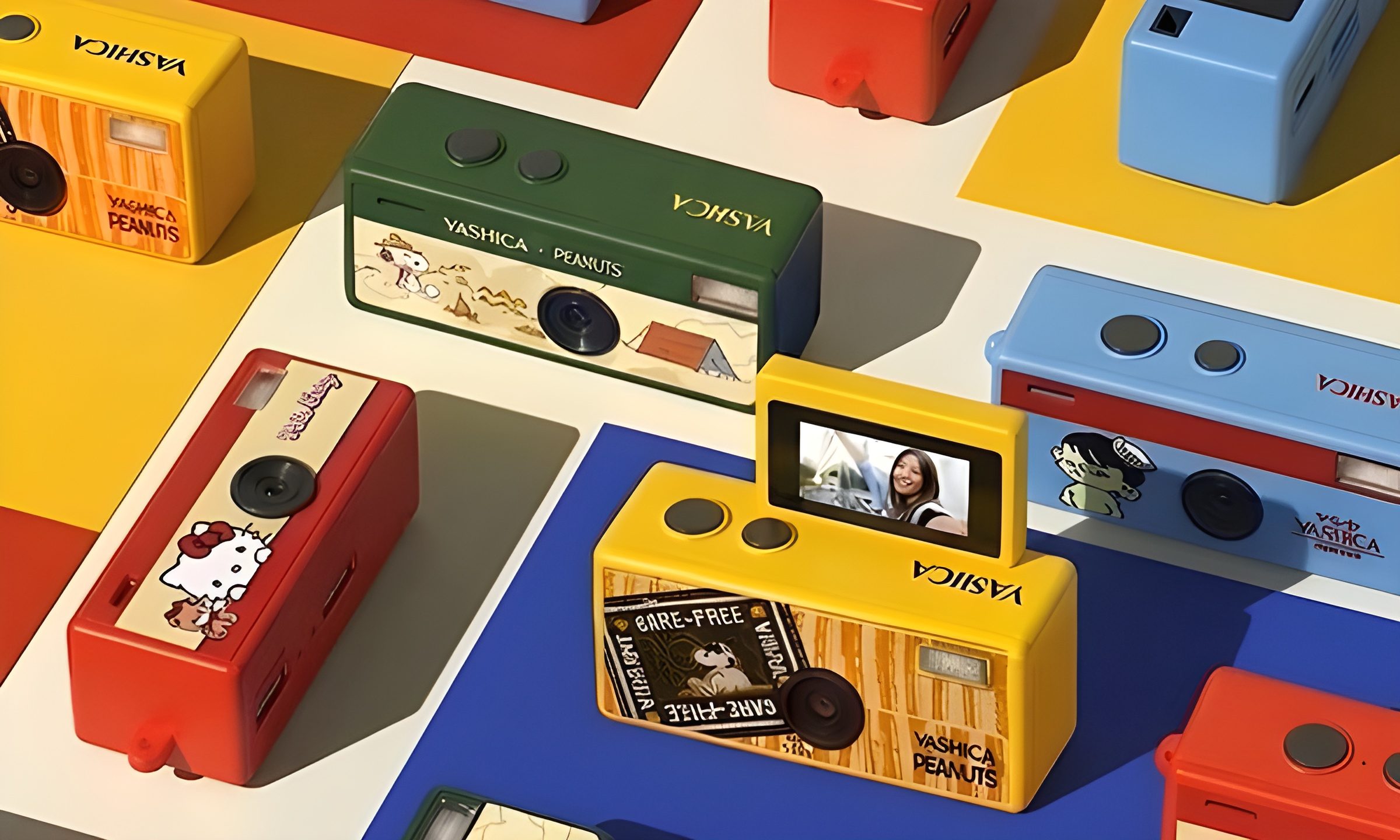
Tiny digital cameras are all the rage, and Yashica is now offering a very cute toy photography experience of its own. The company’s new Funtastic Keychain Camera is exactly what the name suggests, a miniature digital camera small enough to clip onto your keys, bag, or lanyard. The popular Kodak Charmera is the obvious comparison, which brings a tiny blind-box keychain camera that became a viral collectible.

Now, Yashica's version lands in the same novelty-camera lane, but adds one very useful trick, which is a 180-degree flip screen.

Read more