1. Home
  2. Social Media
  3. News

Amazon Spark Adds a Touch of Social Media to Prime Shopping

Add as a preferred source on Google

If you love the benefits of Amazon Prime, but wish the service had a social element to it — besides reading hilarious user reviews, that is — then today is a good day. Not content to to merely expand into the grocery business and meal kits, Amazon is moving into the social media game, having launched its Amazon Spark feature, which allows users to share photos of products they like, much like on an Instagram or Pinterest feed. While browsing your Spark feed, you can tap on a product you like, and go directly to its Amazon page, where you can then order one for yourself. Now, you too can be an (unofficial) brand ambassador for your favorite products.

Pinterest users will find Spark’s interface familiar. When users launch Spark for the first time, they will select a number of categories that interest them — like books, fashion, or video games — and will then see appropriate photos in their feeds. While browsing your feed, if you see something you like — say, a lovely hardcover edition of Blood Meridian sitting on a bookshelf in a photo — you can simply tap on it to go to the item page and purchase it for yourself.

Recommended Videos

Anyone can view posts on Spark, but in order to make your own Spark posts, or comment on, like, or otherwise interact with posts you see, you must have an Amazon Prime account. You can access Spark from the Amazon Prime app — only on iOS, for the time being, although Amazon says that an Android version is on the way. Simply open the app, then tap the menu button and select Programs and Features. Find the button for Amazon Spark and tap it.

What incentive is there to post on Amazon Spark? Other than the typical rewards of internet popularity — users can approve of posts using “smiles,” a feel-good take on the traditional Facebook Likes — you can also become a recognized “Enthusiast.” This distinction comes with a special badge on your profile. So stop browsing Amazon in isolation. Embrace the next evolution of a consumerist lifestyle and start sharing your favorite products with others!

DT Staff
Digital Trends has a simple mission: to help readers easily understand how tech affects the way they live. We are your…
Instagram and WhatsApp lead in sextortion reports, iMessage is weaponized against teenagers: Report
Over 2,000 complaints in six months, and the platforms are still playing catch-up.
Child using a blue phone

If you use Instagram, WhatsApp, or iMessage, you need to know what is happening on these platforms. Australia's online safety regulator, eSafety, has published a new transparency report, and the findings are grim. 

As reported by The Guardian, the regulator found significant gaps in how the biggest tech companies are handling online sexual extortion and child sexual exploitation, even as the reports keep climbing.

Read more
Europe plans a wide social media ban for children
The plan would bar kids under 13 from social media completely, with looser rules for teens up to 18.
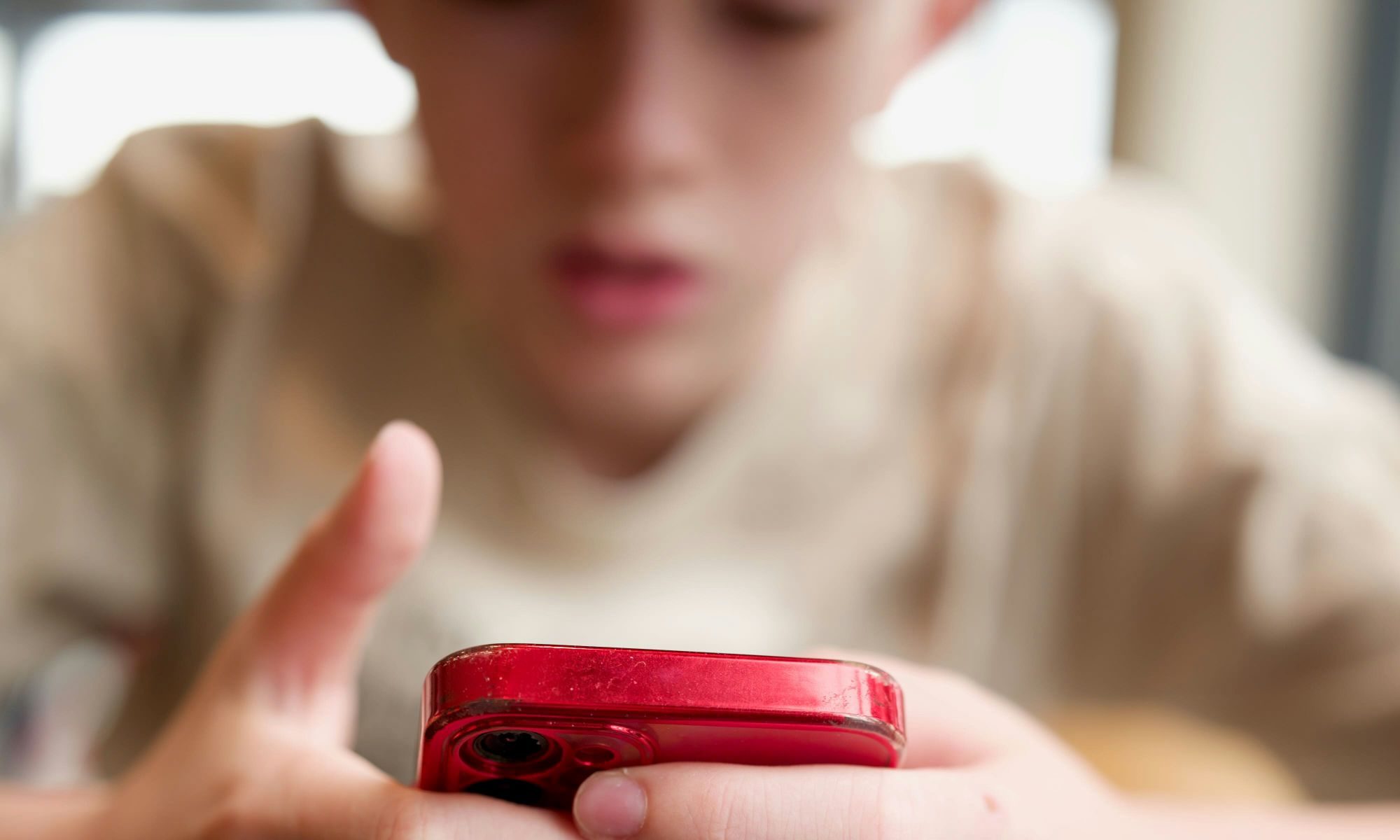
Child using a red iPhone

Europe is taking its biggest step yet toward keeping kids off social media entirely. A panel of experts today handed the European Commission a report recommending sweeping new age restrictions, according to a New York Times report. Commission president Ursula von der Leyen is expected to turn those recommendations into a formal law proposal in September.

What the proposal aims to restrict

Read more
The days of unrestricted social media for children may be coming to an end
Social media could soon look very different for younger users
Social Media

What started as a policy experiment in Australia has quickly turned into a global movement. Governments around the world are increasingly questioning whether children should have unrestricted access to social media, with more than 20 countries now either enforcing, proposing, or actively debating age-based restrictions. According to an AFP tally, at least five countries already have nationwide restrictions in force, while many others - including several European nations - are preparing to follow suit.

The momentum comes amid growing concerns over the impact of social media on children's mental health, online safety, sleep patterns, and exposure to harmful content. Policymakers are also under pressure to address addictive recommendation algorithms, cyberbullying, and the growing use of AI-generated content that can make online platforms even harder for young users to navigate.

Read more