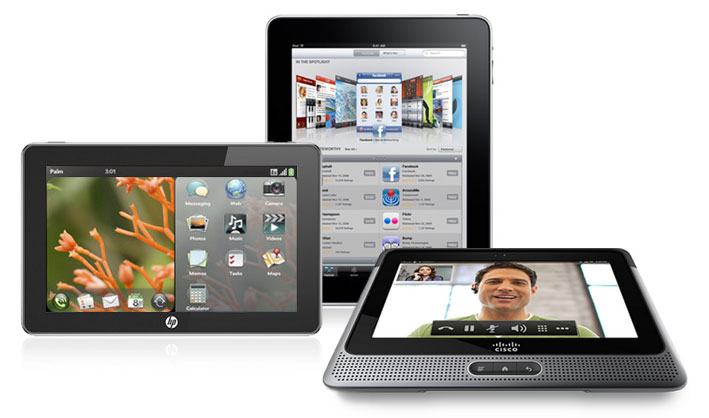
The fun part about talking about products that aren’t out yet is that you can paint them the way you think they should be or paint them the way you’d like them to be if you are a fan of the current winning offering. I’m going to pick choice number 3 though and paint them the way I think they will be and see how they might do against the current generation iPad. We’ll first outline the devices based on what we know so far and speculate what we think they might be able to do.
Cisco Cius: Cool Tablet or Really Expensive Corporate Phone?
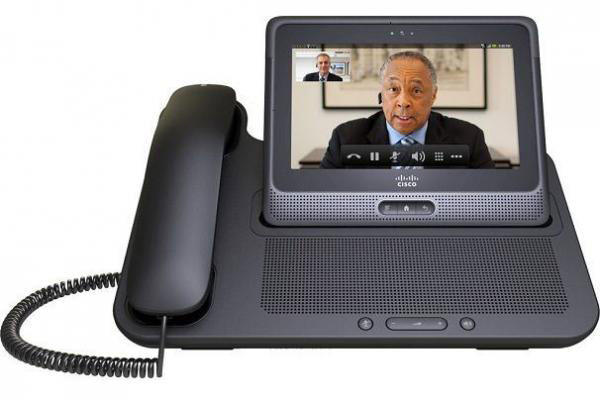 This has to be one of the most interesting attempts being made on the tablet space. Cisco has effectively tossed out what Apple has done and instead approach this effort not as an Apple clone but as a Cisco original. I certainly applaud the effort, but having watched several telephony vendors try this over the last few decades I wonder if they are aware of the reasons it hasn’t worked yet.
That aside, the Cisco Cius is more of a next generation Communicator than either an iPhone or iPad. It is designed to be integrated with your desk phone at work and likely will have a similar dock for your home desk and/or bedside table. This will allow it to be the universal display for your phone wherever you are and link your business services through your Cius along with your phone calls. I would expect things like “follow me” calling to be a core feature (this is where people get one number that rings wherever you are) and integrated voice mail and email services all showcased on the Cius display.
It is a full android device but I expect access to the app store will be through a Cisco service which will be cloned by your company and only allow company approved applications to be on the device. Think of this as being as much about rethinking the office phone and updating it for Cell phone, video conferencing, and tablet computing. This thing could replace your laptop but likely, at least initially, be used in conjunction with a desktop computer.
HP Palm Pad with Voodoo Technology: HP’s Halo Product or Train Wreck?
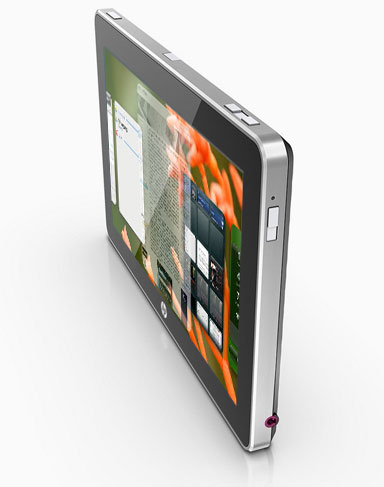 One thing that is hard to forget is that HP pretty much destroyed VoodooPC when they bought them and, if they aren’t very careful, they will do the same thing to Palm. Having said that, they were faced with ugly choices before buying that company; either wait for the ever late Windows Phone 7 platform to finally arrive or use Android and deal with the reality that Google sucks worse than Microsoft does when it comes to OEM relationships.
So HP said no to both Microsoft and Google and bought Palm to take control of their own destiny and, coincidently, Palm had a tablet in the works. Question is, given that Palm bled a lot of people over the last year, how far behind schedule is this Palm tablet?
This Palm tablet is closer to the iPad in terms of design than the Cius is and Palm likes tethering suggesting you’d be able to use the data plan on a tethering enabled phone, something you can’t do with the iPad. The WebOs is often thought to be easier to develop for than either the Apple or Android platforms (easier approval than Apple, better tools than Android and no Chrome OS bigotry).
Expect it to be light on applications but long on value for the dollar and a better companion to the Palm Pre and follow on HP phone than the iPad is to the iPhone. Also HP’s TouchSmart interface is a natural here but there isn’t enough time to put it on the device suggesting it either won’t be there at launch or the device will be delayed after year end. So it will similar device to the iPad in terms of hardware but with a lower initial purchase price, lower potential data fees (when tethered), and support for both Flash and multi-tasking.
Beating Apple
As I mentioned earlier I’ve been involved in several attempts to bridge PCs and corporate telephony and take devices from corporations to consumers. Successes are so few and slight as to not be worth mentioning. If Cisco can keep the cost of the phone/tablet solution in line with the cost of their corporate desktop phones and build strong consumer buzz on the tablet they could blindside Apple and do some really interesting things in the corporate market. But I’ll bet they miss on price and miss on consumer buzz while hitting hard on the corporate aspects of the device. They will find, as their predecessors have, that IT organizations suck at moving hardware like this; Apple can sleep soundly here.
HP has more potential, however the experience with Voodoo PC is a cautionary tale. HP has to have a device that is more attractively priced than Apple (not hard at all), one that has similar core capabilities (also within Palm’s scope), it has to be positively differentiated in the market (they can do that), and they have to avoid destroying the Palm value they just acquired while building a similar kind of solution to Cisco’s. One that cuts across HP (and there is the problem).
However, HP is the one company that truly scared Apple in the early days of the iPod so much so that Steve Jobs offered HP a cloned iPod in exchange for killing their offering. I doubt that tactic will work this time and Todd Bradley who used to run Palm, currently runs the HP PC division that will own Palm’s future, and he should know how to make the best use of Palm now that he controls it again.
Chances are the real push from HP will come next year when HP can put their full effort behind an HP designed product. This year’s product, assuming it even shows up, will be a place holder for something better later on.
Wrapping Up
Apple continues to define the tablet and Smartphone space. So far, only the combination of Google and Verizon with the Droid has provided a credible challenge to their core market. RIM has held on to their segment but failed to be much of a concern for Apple. Microsoft has been schooled by Apple repeatedly, showcasing how hard it is to compete effectively with Apple.
Both Cisco and HP have advantages in scale and breadth that Apple lacks, but to make use of them they have to do things Apple has proven very good at, like well-funded demand generation user marketing which both HP and Cisco have struggled with at times. However these companies have also stepped up to competition like this in the past, HP against IBM and Dell, and Cisco against 3Com for example. But consumer electronics have been problematic for these companies. HP did poorly with TVs and little Sonos kicked Cisco’s butt with home media suggesting that in Apple’s new market they have “issues”.
The question remains, will they step up or should we be anticipating the excuses they will make when they don’t succeed? What do you think? I think that at least for this year Apple’s Cisco and HP worries are slight. Next year, at least with HP, things could get more interesting. Watching Apple’s stumbles with the iPhone 4, they may have a better chance than any of us actually think.
Editors' Recommendations
- Apple is about to do the unthinkable to its iPads
- We finally know when Apple will announce its 2024 iPads
- This iPad just got a rare discount — save $100 at Best Buy
- Apple accidentally revealed a big iPad Pro display upgrade
- Two popular iPad models just got pretty steep price cuts — from $250