1. Home
  2. Photography
  3. Emerging Tech
  4. Wearables
  5. News

German engineers 3D-printed a camera that’s smaller than a grain of salt

Add as a preferred source on Google

The camera developed by a research team from the University of Stuttgart isn’t to be taken with a grain of salt — because it’s actually smaller than that. Using 3D printing, a group of PhD students recently created optics small enough to fit inside of a syringe at just .12 millimeters wide.

Current manufacturing techniques make it impossible to construct tiny lenses, the team said, but by using 3D printing, also known as additive manufacturing, the size possibilities change dramatically. The team, led by PhD students Timo Gissibl and Simon Thiele, said that the process of designing and manufacturing the tiny lens actually only took a few hours.

Recommended Videos

While getting one lens into a device that small seems like a feat in itself, the device actually encompasses three lenses and is attached to a five-foot optical fiber that’s only about twice as wide as a strand of hair. That optical fiber should allow the camera to be injected into the body, relaying information back to doctors for diagnostics, and should also enable the inspection of machinery. Of course, there’s no light inside the human body, so the camera is paired with a tiny LED.

Complex triplet lens by femtosecond 3D printing on a single mode optical fiber.
Image used with permission by copyright holder

The research team also printed a version with a more traditional image sensor, creating a very small camera with a number of different uses — perhaps as a very tiny spy cam or to equip other tech, such as robots, with “vision” of their own. The tech could make it possible to equip drones the size of bumblebees with cameras or give smartphones a 360-degree surround camera system, the university suggests.

“The time from the idea, the optics design, a CAD model, to the finished, 3D-printed micro-objectives is going to be less than a day,” said Stuttgart professor Harald Giessen. “We are going to open potentials just like computer-aided design and computer-integrated manufacturing did in mechanical engineering a few years ago.”

Hillary K. Grigonis
Hillary never planned on becoming a photographer—and then she was handed a camera at her first writing job and she's been…
RAMmageddon is coming for cameras, and your dream setup is in the crosshairs
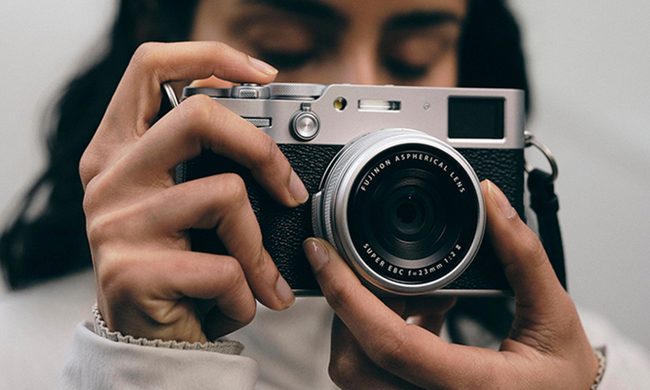
Fujifilm's camera price hikes are just the latest sign of a DRAM crisis reshaping costs beyond smartphones and laptops.
Fujifilm's X100VI camera, released in 2024.

If you've been saving up for a new camera, I've got some bad news for you. Waiting until fall just got a lot more expensive. And this isn't some isolated issue troubling the camera industry. 

It's the same global chip crisis coming for basically everything with a processor and memory inside it.

Read more
Fujifilm Instax Mini 13 review: This instant camera won me over with its no-frills retro charm
From printing instant memories to rediscovering the fading charm of polaroids, Fujifilm's camera offers a budget route to a simple indulgence.
Fujifilm Instax mini 13 camera.

See at Amazon

Quick review

Read more
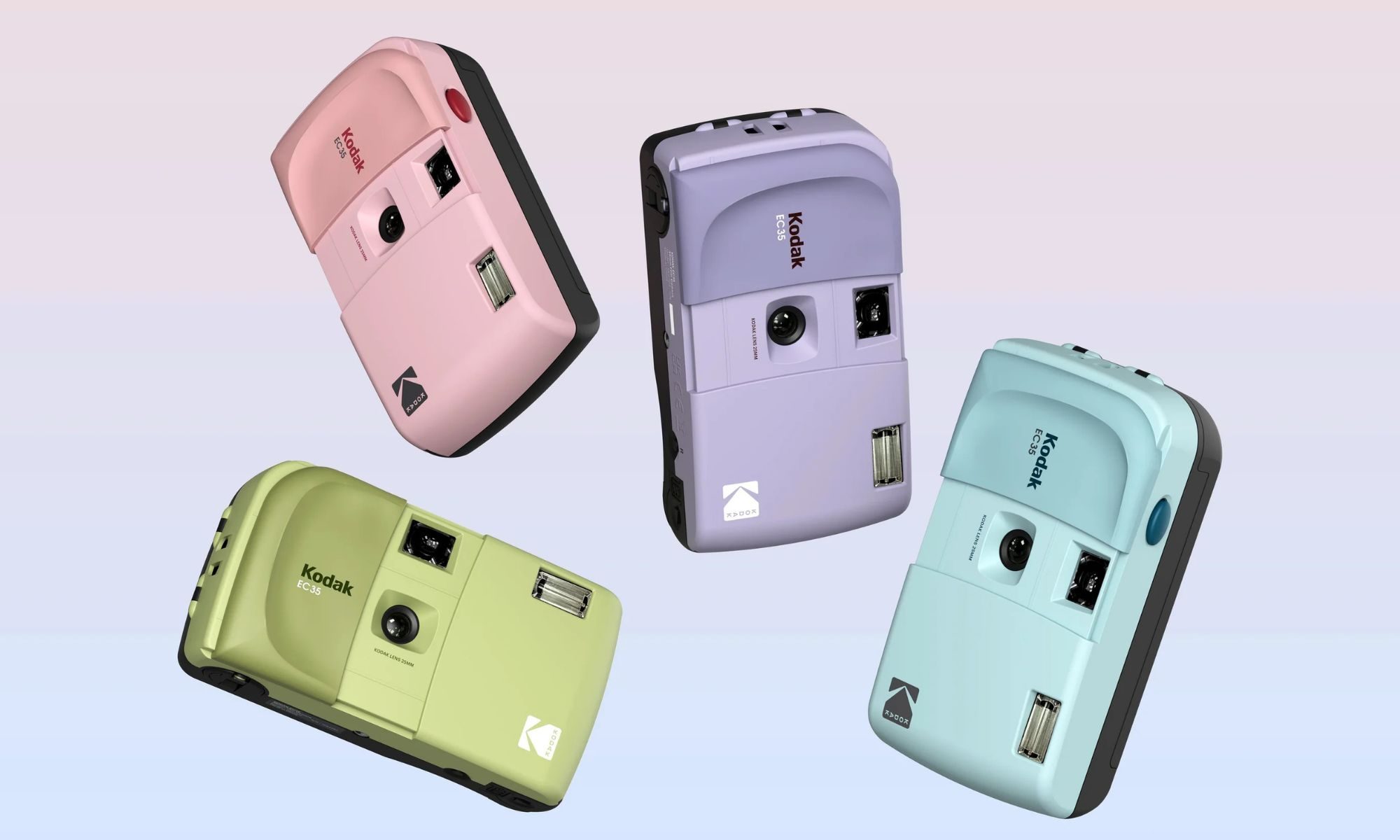
Want to try film photography? Kodak’s new $35 camera is a great place to start
This retro inspired Kodak EC35 camera keeps film photography refreshingly simple.
Kodak-EC35

If you've been curious about film photography but didn't want to spend a fortune, Kodak has a new camera worth checking out. The new Kodak EC35 is a reusable 35mm point-and-shoot camera that costs just $34.99, making it one of the most affordable ways to try shooting on film.

Developed by Reto Project under the Kodak brand, the EC35 keeps things simple with a lightweight design, automatic flash, and a pocket-friendly body. It also arrives as interest in analog photography continues to grow, offering beginners an inexpensive alternative to disposable film cameras.

Read more