1. Home
  2. Computing
  3. Emerging Tech
  4. News

Robots will soon be writing news stories for the U.K.’s Press Association

Add as a preferred source on Google

We rejoiced when automation meant the more efficient production of the Ford Model T. We applauded when artificial intelligence bested humans at games and trivia. We nodded solemnly as machines began to replace fast-food workers and supermarket cashiers. And now, we may not know exactly how to react as computers take over our jobs as news writers. Few jobs these days are truly safe from the rise of AI and the latest industry to be affected is journalism. Google awarded the Press Association (PA) news wire 706,000 Euros ($805,000) to fund a project known as “Reporters and Data and Robots” or RADAR that, as one might expect, involves robots writing no fewer than 30,000 stories for local media publications every month.

The Press Association is a national news agency and supplies publishes in both the U.K. and Ireland with content. It will partner with news startup Urbs Media for the robot project, with hopes of creating “a stream of compelling local stories for hundreds of media outlets.”

Recommended Videos

RADAR is slated to launch in 2018 and robots will depend upon open data sets on the internet to find stories, and use Language Generation (NLG) software to write them. The data sets, however, will be run by a team of five human writers and will be populated by information that comes from government departments, local authorities, NHS Trusts, and more. Ultimately, the goal is to meet an “increasing demand for consistent, fact-based insights into local communities” for regional media outlets, independent publishers, and small sits and blogs, according to PA.

But don’t worry, journalists. This isn’t to say that you will be left without a job. Rather, according to PA’s editor-in-chief Peter Clifton, human writers will still be responsible for pitching and writing stories — AI will just be there to lend a helping hand and up the levels of content. “Skilled human journalists will still be vital in the process, but Radar allows us to harness artificial intelligence to scale up to a volume of local stories that would be impossible to provide manually,” he told the Guardian. “It is a fantastic step forward for PA.”

Lulu Chang
Fascinated by the effects of technology on human interaction, Lulu believes that if her parents can use your new app…
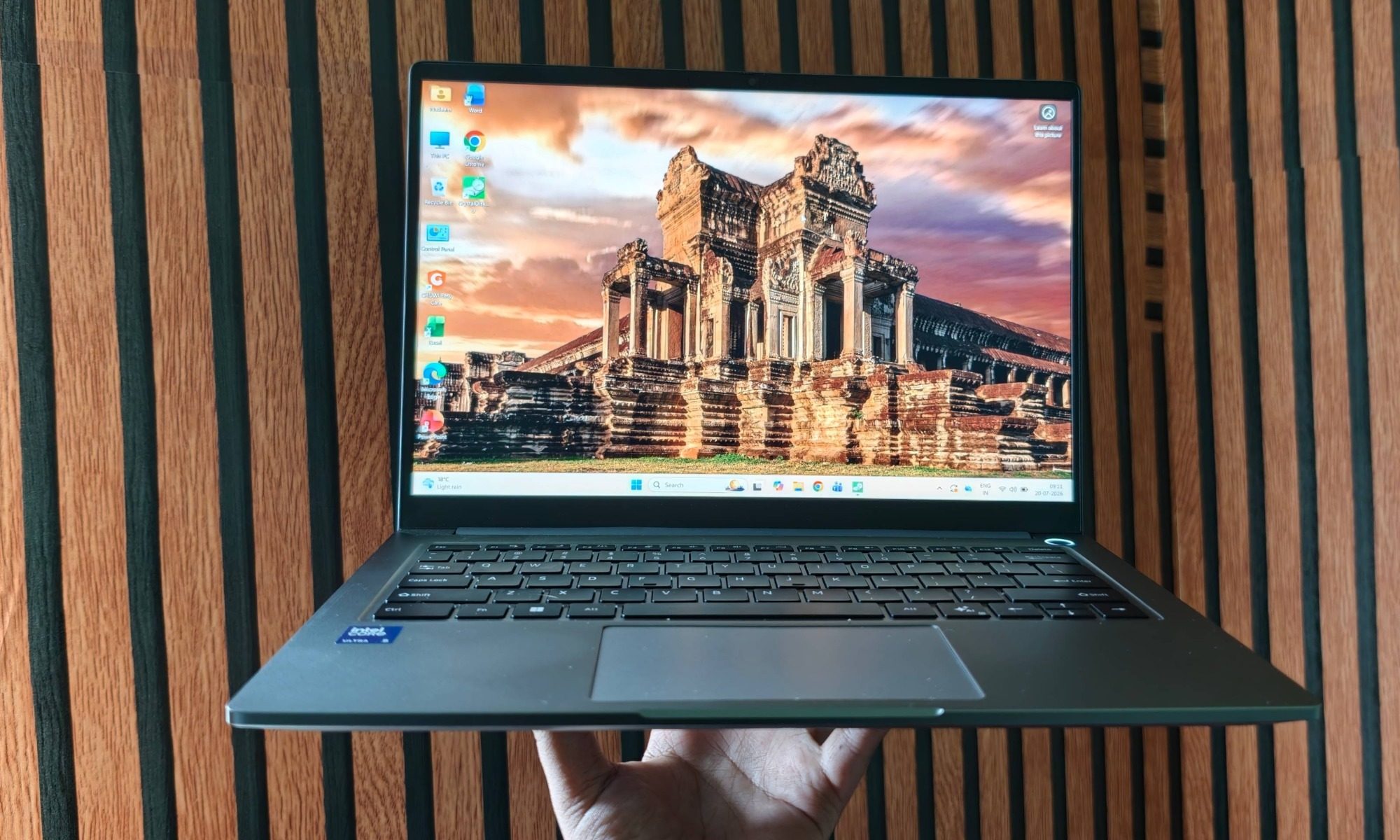
Chuwi CoreBook Air review: A rewarding budget laptop that wants you to cross the brand boundary
Chuwi's CoreBook Air is a relatively unknown, but a heavy-hitting budget machine for the AI-first computing era.
Computer, Electronics, Laptop

View at Chuwi

Quick verdict

Read more
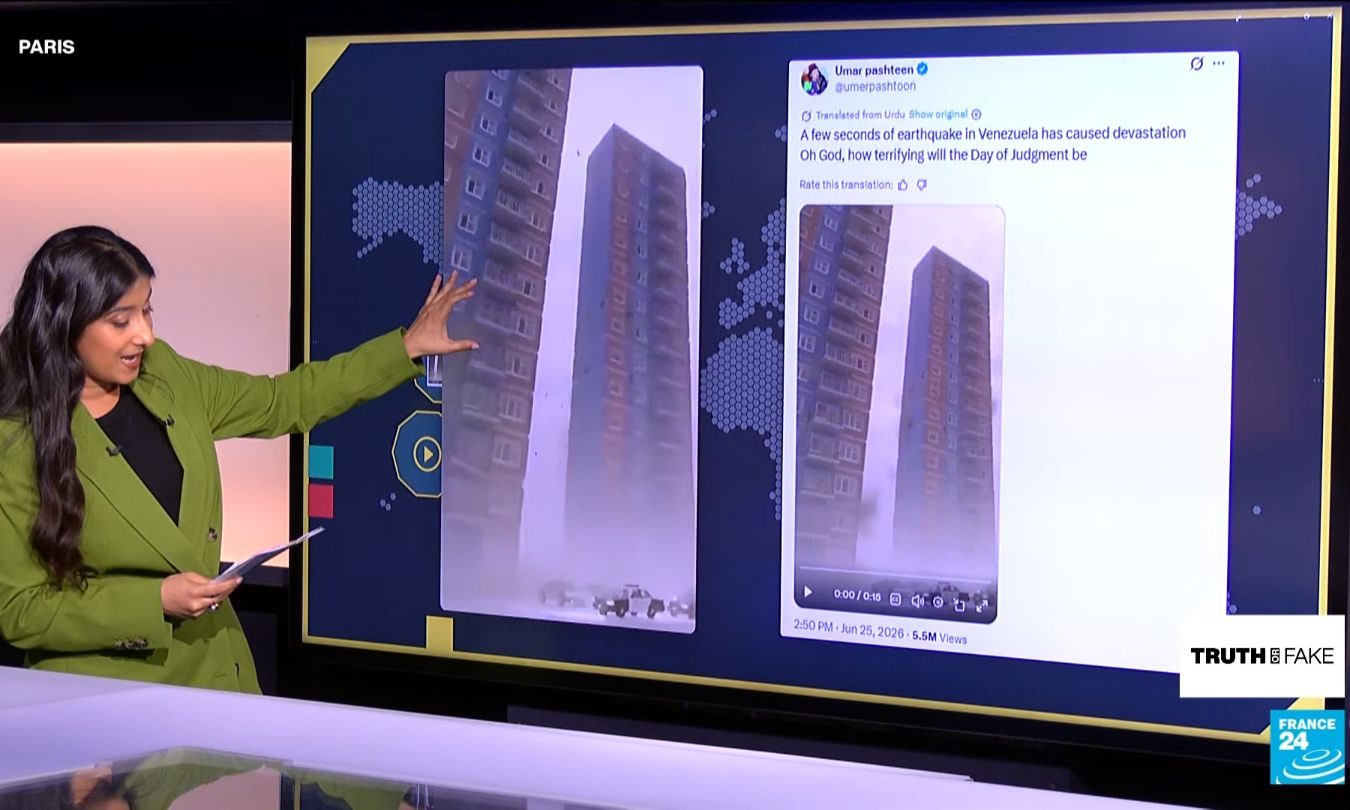
AI’s latest problem is deepfake disaster content for farming engagement
Fake and recycled videos from disasters in Venezuela and China are making social media feeds harder to trust when people need accurate updates quickly
Electronics, Screen, Adult

Social feeds around the earthquakes in Venezuela filled with recycled footage and AI-generated destruction. Severe weather in China attracted its own wave of AI disaster videos, including fabricated flood scenes and false reports of power outages.

It creates an ugly race. People want immediate evidence of what happened, and AI slop can deliver something dramatic before reliable information catches up. Authentic updates are left competing with fiction precisely when confusion can send people scrambling for answers.

Read more
Think twice before downloading your next Windows 11 app from Google
Your Windows app search results have become a malware minefield
Windows 11 Laptop

Searching Google for a Windows utility and clicking the first convincing result has always carried some risk. A newly uncovered network of fake websites has made that familiar habit considerably more dangerous. More than 70 domains were found impersonating popular Windows apps. This includes Microsoft PowerToys, CrystalDiskMark, EasyBCD, Wintoys, Lively Wallpaper, and SignalRGB.

Windows Latest reports that many of the lookalike sites appear above the genuine project pages in Google results, despite having no connection to the developers behind the apps. Some currently redirect their download buttons to legitimate Microsoft Store pages, which may be part of the attack.

Read more