Volvo-owned Polestar will continue working with Google to fine-tune its Android-based infotainment system. The software is found in the 2, a Tesla Model 3-sized hatchback unveiled in 2019, and it will also be available in upcoming models as the young automaker expands its lineup during the early 2020s.
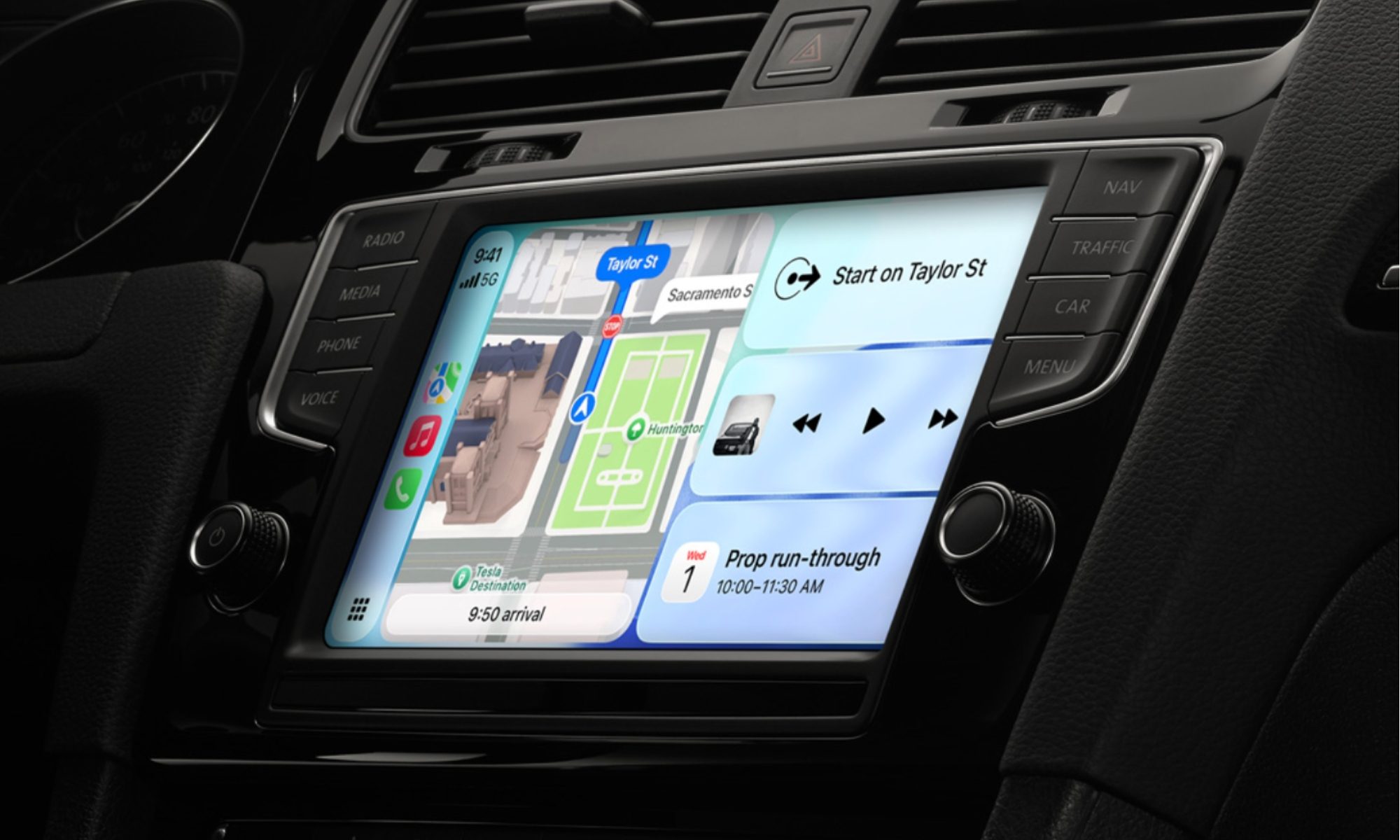
An 11-inch, portrait-oriented touchscreen displays the infotainment system in the 2. Working hand-in-hand with Google allowed Polestar engineers to develop software that’s as easy to use as a smartphone. I found it feature-rich, uncluttered, and intuitive when I tried it in 2019. Looking ahead, future generations of the software will offer users a personalized and contextualized in-car experience by taking their personal preferences into account.
It’s not going to cook your favorite meal, but it might suggest a nearby Mexican restaurant if you’re in an unfamiliar area, and if you’ve looked for tacos in the past. Video streaming will be available, though Polestar hasn’t revealed its partners yet, so it could suggest new shows that line up with what you’ve watched in the past.
What if you share the car with someone who can’t stand tacos? The software will do its best not to send you to a restaurant you’ll hate by identifying the person behind the wheel using the digital key stored in each user’s smartphone. And, Polestar stressed these features will only function if they’re authorized to, so your car doesn’t have to know what you like to eat, where, and what you watch while you chow down a burrito bowl if you don’t want it to.


Many of the aforementioned features will sound familiar if you use an Android-powered smartphone. Google Assistant (which is built directly into the 2) often suggests things to eat, see, and buy. That’s not where the similarities between your hand-held device and Polestar’s electric sedan end. The screens will automatically dim or get brighter depending on light conditions, and on whether the driver is looking at them. Proximity sensors will display certain menus when one of the front passengers reaches towards the screen, and keep it out of sight the rest of the time for a cleaner look. Polestar stressed it wants to avoid creating an information overload.
Ultimately, until autonomous cars merge into the mainstream, your attention should be on the road ahead, not on the screen that pops out from the dashboard — no matter how gorgeous it might be. That’s why Polestar’s technology will emit warnings if its eye-tracking technology detects the driver is spending too much time looking at the screen.
Polestar will shed more light on how it plans to upgrade its infotainment system in the coming weeks.