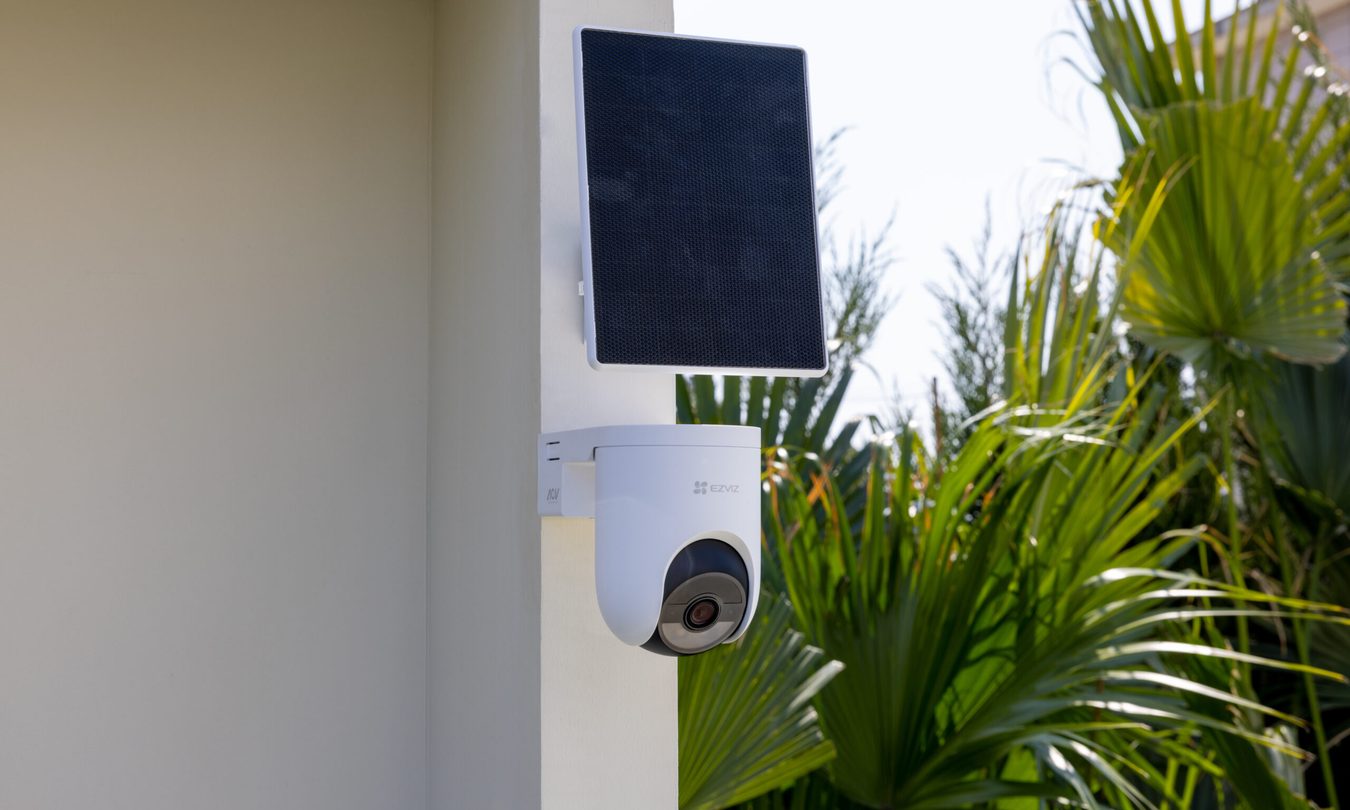
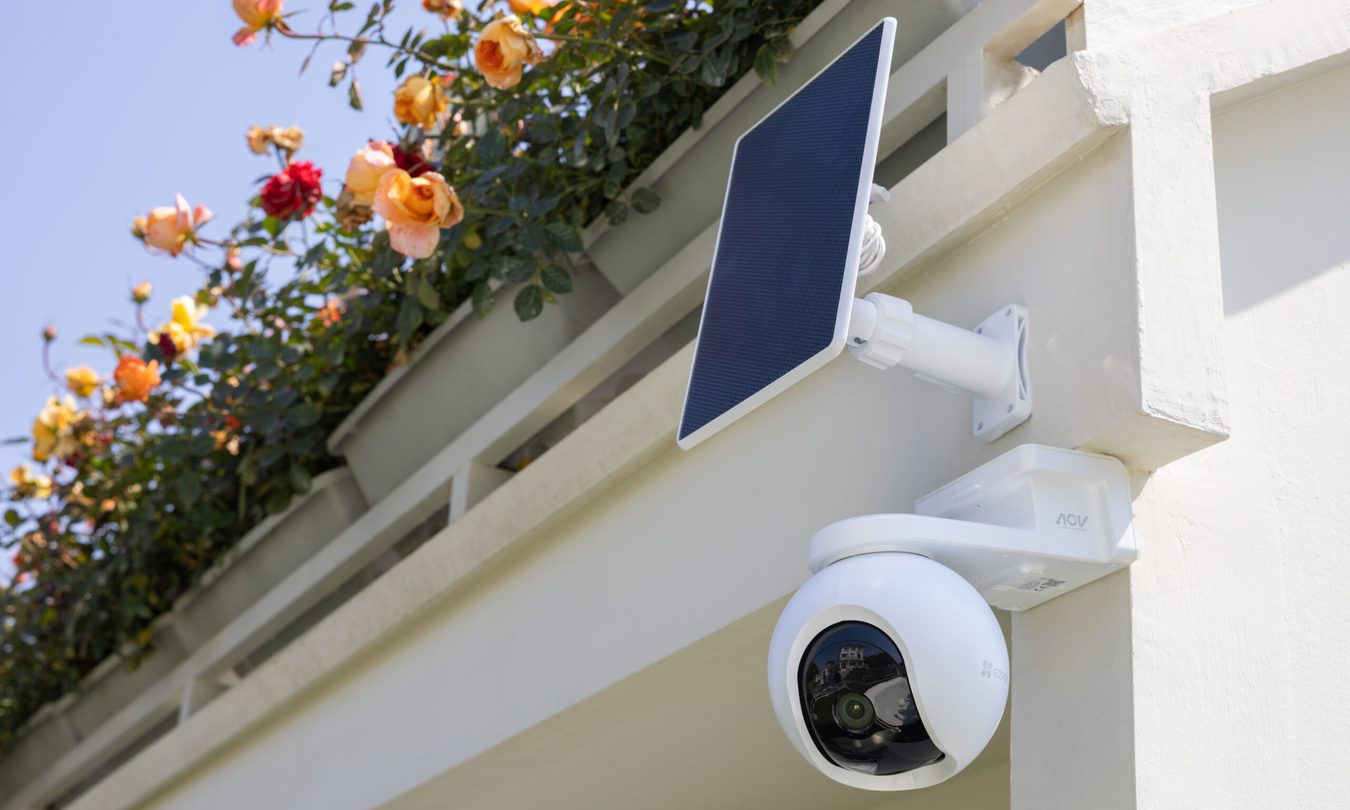
Security cameras have grown increasingly powerful over the years, capable of sending out motion alerts, triggering your smart home, and much more. The only downside is that they are relatively stationary; unless something passes in front of the camera, you won’t catch it.
The good news is that mobile security cameras are now a thing. Cameras like the upcoming Ring Always Home Cam or Sunflower Labs’ Beehive can fly around your yard and home to keep an eye on things, while some robot vacuums come equipped with security cameras that keep an eye on your home while cleaning it at the same time.
The question then becomes: Are we really ready for these kinds of cameras? There are multiple factors to consider that range from safety to privacy concerns.
Are flying and roving cameras safe?
The few flying security cameras on the market all make use of quadcopter designs. Although most quadcopters are safe (and the blades tend to be enclosed so you can’t accidentally cut yourself), accidents still happen.
There is also the consideration of a flying security camera crashing into a powerline or something similar. Sunflower Labs’ Bee is not a small device and were it to crash into someone, it seems like it could cause a decent amount of damage. We saw it for ourselves at CES 2020, and though the drone is nothing short of impressive, it felt somewhat intimidating.

The good news is that these devices have automatic collision detection built into their software. The devices are able to avoid objects and fly around them. It would take someone diving in front of the drone to be hit by it, and because these devices fly 10 to 15 feet off the ground, a small child isn’t going to wander into its path.
On the other hand, flying around the limited space inside a home poses its own series of risks and difficulties. The Ring Always Home Cam is designed for indoor use, not outdoor, and is much smaller than the Bee. Even with its smaller size, it seems like a roving security camera might be a better option for indoor use, while flying devices should be relegated to monitoring your yard.
Flying versus roving: Pros and cons
Flying and roving security cameras serve similar purposes but come with significantly different technology. Flying security cameras are likely to be dramatically more expensive depending on size and functionality. For example, the Bee is designed for autonomous home defense, but it carries a tremendous price tag of just under $10,000. That alone will limit how widespread the adoption of the device is based on the simple fact that consumers don’t want to gamble that much money on an as-yet unproven concept.
The Ring Always Home Cam is much smaller and more affordable at just $250. Ring also has an existing user base that will likely adopt a new product without much hesitation. While that might bring in more users to the flying security camera market, the device still has somewhat limited use. It really only fits a larger home; someone in a studio apartment doesn’t need a flying security camera when a stationary one on the wall will work just as well, but someone living in a home with a large yard would benefit from a camera that isn’t halted by a hedgerow.

Roving cameras are probably going to see more use, especially when you consider that most roving cameras serve double-duty as part of another often-used device. Something that can trundle around the home with little to no risk of knocking something over or crashing will be more appealing to the majority of consumers, but most especially those with small children or pets. The last thing a homeowner wants is their cat trying to pounce on a flying security camera.
The Roborock S6 MaxV and the LG CordZero ThinQ Robot Vacuum both have security cameras installed inside the robot vacuum itself. Users can easily access live streams at any time through their smartphones, which does help to provide peace of mind — like whether or not the front door was closed, or if the kids got home from school alright. Some of them, like LG’s CordZero ThinQ, can monitor your home while it cleans. You could also ask it to patrol the home while not cleaning, too. The two-in-one nature of this device means that, by default, it will likely see more use than a single-use device.
Are there privacy concerns?
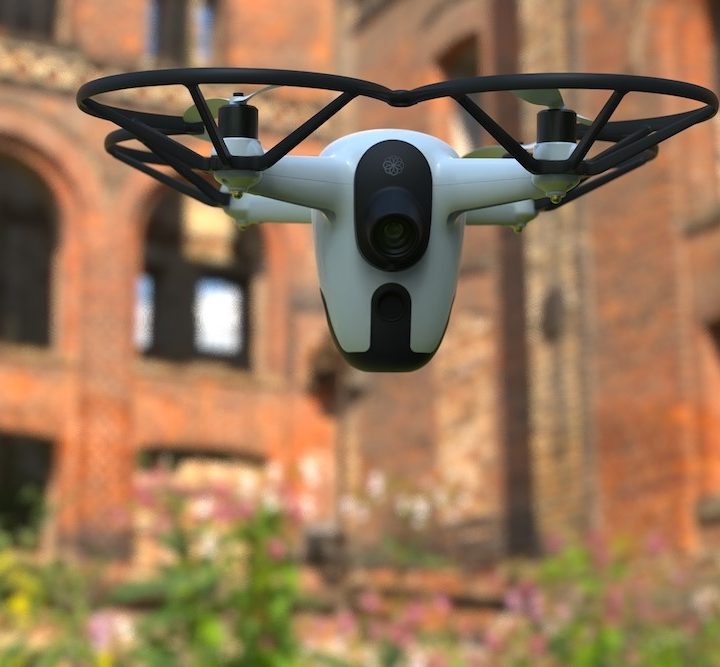
There are always privacy concerns with any security camera, but the real question is how extreme these privacy concerns might be. The prevalent fear is that a security camera will monitor something in your home or overhear a conversation that you don’t want to be recorded. While it isn’t likely that a quadcopter-based flying drone or a robot vacuum with a camera will sneak up unnoticed (neither is exactly quiet, after all), the security measures put in place in these devices will rely on the manufacturers.
If these devices include lens covers or similar safety features, that will alleviate many of the privacy concerns. At present, there shouldn’t be any more privacy concerns than exist with any other types of cameras. In fact, the ability for a drone to fly up and over the home allows for better security measures.
However, steps will need to be taken to prevent a security camera from monitoring what’s happening in a neighbor’s yard or home.
Are we ready for these security cameras?
An autonomous security camera makes a lot of sense, especially with regard to increased home security. However, until we see these devices in action, it’s important to take everything with a grain of salt. A flying home security camera seems like a great fit outdoors, but inside, it seems like it might just be a lamp killer.
The indoor market seems better suited for a roving, wheeled camera with some climbing capabilities so it can handle stairs. RC cars existed in the 90s that could climb up and down stairs, so it doesn’t seem like a stretch that companies could fit a camera on that same technology today.
Regardless, a camera that can automatically respond to activity (or key into the rest of your smart home and respond to motion sensor triggers in other rooms) is a no-brainer. We just have to make sure the technology works as intended.