  1. Home
  2. Cars
  3. News

Scion gets a new leader as it works to return to relevance

Add as a preferred source on Google

Toyota’s Scion “youth” brand is now 10 years old, and like the young buyers it targets with its bass-pumping marketing, it has to confront the challenges of growing up. Scion’s new leader should have an interesting perspective on that.

Andrew Gilleland is replacing Doug Murtha as Toyota’s Vice President of Scion, but this isn’t his first encounter with the brand. Back when Scion first launched, he was national field operations manager, charged with ensuring that dealers knew what to make of Scion’s novel no-haggle buying process, and its unusual models.

Recommended Videos

Scion launched with the xA and xB, two very tiny hatchbacks. The xB’s blocky styling in particular helped it stand out, and provided a little quirkiness for what was otherwise just a very basic small car. Toyota hoped that cheap small cars with funky styling would attract younger buyers, and counteract the stodgy image of the parent brand.

However, Scion has lost its way to some extent over the past decade. It added the tC coupe, but subsequent redesigns of the xB and xA (renamed xD) added bulk and generally made Scion’s two main models less distinctive. Toyota then let them age while it embarked on an ill-fated attempt to diversify Scion with the smart fortwo-like iQ and the cool, but low-volume, FR-S sports car.

While two-door coupes with sporting affectations are probably a good way to appeal to young buyers, the FR-S and the tC could never sell in large enough volumes to sustain Scion. As the xB and xD aged, the brand’s sales began to drop. Scion is finally remedying the situation with two new models: the iA sedan and iM hatchback.

Neither model is unique to Scion. The iA is a sedan version of the next-generation Mazda 2, and the iM is actually a Toyota Auris plucked from the carmaker’s European lineup. Gilleland will have to make these cars seem like more than what they are. For Scion to live up to its raison d’etre, buyers will have to think of the iA and iM as more than Mazda and Toyota economy cars. It could be a tough job.

Stephen Edelstein
Stephen is a freelance automotive journalist covering all things cars. He likes anything with four wheels, from classic cars…
Tesla launches the six-seat Model Y Long Wheelbase in the US
The stretched electric SUV brings more space, more comfort, and up to 325 miles of range.
Tesla Model Y Long Wheelbase Featured

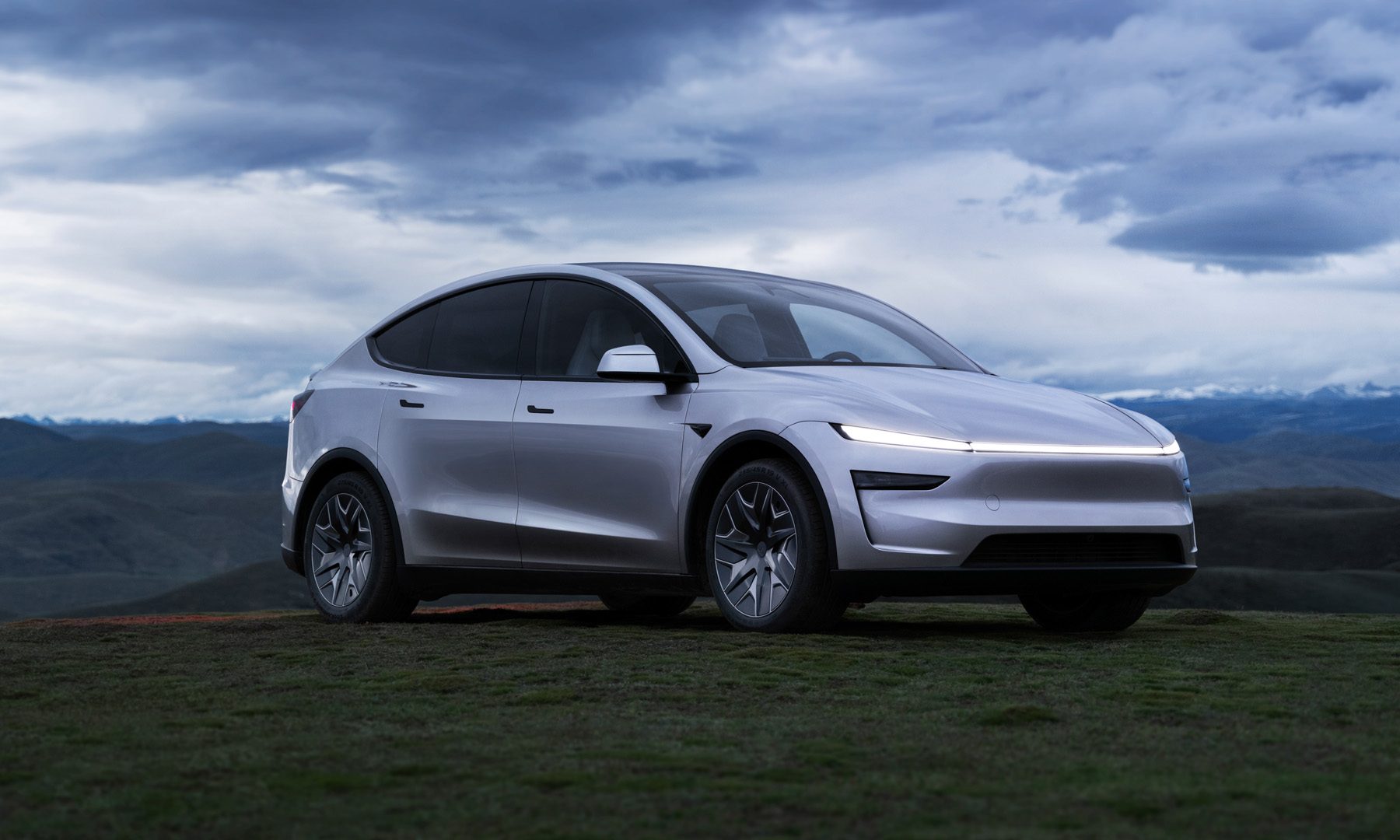
Tesla is giving the Model Y a little more breathing room. The company has officially launched the Model Y Long Wheelbase in the United States and Puerto Rico, introducing a stretched version of its best-selling electric SUV with a three-row, six-seat layout that's designed to make family road trips a lot more comfortable.

A bigger Model Y with a focus on comfort

Read more
A stolen Kia reveals the hidden limits of connected car technology
Kia can see where your stolen car is. GDPR means it won't share that in real time. That is the entire problem.
Kia EV3 design

If you’re buying a car with connected car technology, thinking it would help you to recover it in the event of theft, you might want to recalibrate your expectations. 

A recent incident in the UK, in which a car owner had three tracking devices installed in his car and still couldn’t recover it, led the carmaker to state that connected-car technology isn’t a “certified security vehicle tracker” (via the BBC).

Read more
Cambrige experts find utterly simple fix for longer lasting EV batteries. Just put some pressure on it.
Scientists found a way to make EV batteries last longer without reinventing the battery
EV Charging

EV battery breakthroughs typically involve new chemistry, exotic materials, or faster charging/higher capacity. But a new study reveals that you can skip all the fancy stuff and go with a very simple solution, Researchers from the University of Cambridge found that putting the battery under the right amount of pressure actually helps.

The study was about how physical pressure affects lithium-ion battery life, which found that keeping cells under constant pressure could double their lifespan. The work was published in Nature Energy, and the team says the improvement came without changing the active materials, electrolyte, or basic battery chemistry.

Read more