1. Home
  2. Computing
  3. News

Windows XP refuses to die, Google Chrome helps keep it on life support

Add as a preferred source on Google

In a way, you’ve got to give it to Windows XP. The operating system launched in 2001, and Microsoft only officially stopped supporting it just over a year ago. Even now, there are those who continue to use it, whether by choice or not.

Of course, running a nearly 15 year old, insecure operating system is generally a very bad idea. Google, as the maker of one of the most widely used browsers in the world, is very well aware of that. As a result, the company has decided to continue to provide security updates for its browser on Windows XP until the end of 2015, and possibly beyond. This is an extension of the company’s earlier commitment, made in October of 2013, to support XP until April 2015. It’d been assumed Google would quietly end support by that deadline, but it seems there’s still some love left for XP.

Recommended Videos

“We know that not everyone can easily switch to a newer operating system. Millions of people are still working on XP computers every day,” Mark Larson, director of engineering for Google Chrome said in the blog post announcing the continued support. “We previously announced that we’d keep supporting Chrome on Windows XP through ‘at least’ April 2015. It’s April 2015 now, and we’re extending that commitment. We will continue to provide regular updates and security patches to Chrome on XP through the end of 2015.”

If you’re one of the surprisingly large amount of people still using Windows XP, it’s likely due to a need to use hardware or software that doesn’t work on newer versions of the OS. If that is the case, and you need a browser that will see you through 2016 and later, it might be worth downloading Firefox, as Mozilla has no plans to discontinue support for Windows XP.

Kris Wouk
Former Contributor
Kris Wouk is a tech writer, gadget reviewer, blogger, and whatever it's called when someone makes videos for the web. In his…
TSMC might set up a price hike that could come straight for your next phone, laptop, or tablet
Here's what TSMC's rumored 10% chip price increase actually means in dollar terms, and why your next phone or laptop could end up costing more.
TSMC Fab

My wallet flinched the second I saw the words "TSMC" and "price increase" in the same headline, and honestly, yours should too.

Turns out the company behind the silicon powering basically every flagship device out there, including Apple’s A-series and Qualcomm’s Snapdragon processors, is reportedly about to make all of it a little pricier.

Read more
Apple fixes Hide My Email bug that exposed users’ real email addresses
Here's how Apple's Hide My Email flaw leaked real addresses for over a year, and why it only got fixed once the story went public.
apple-merging-sign-in-with-apple-hide-my-email-icloud+

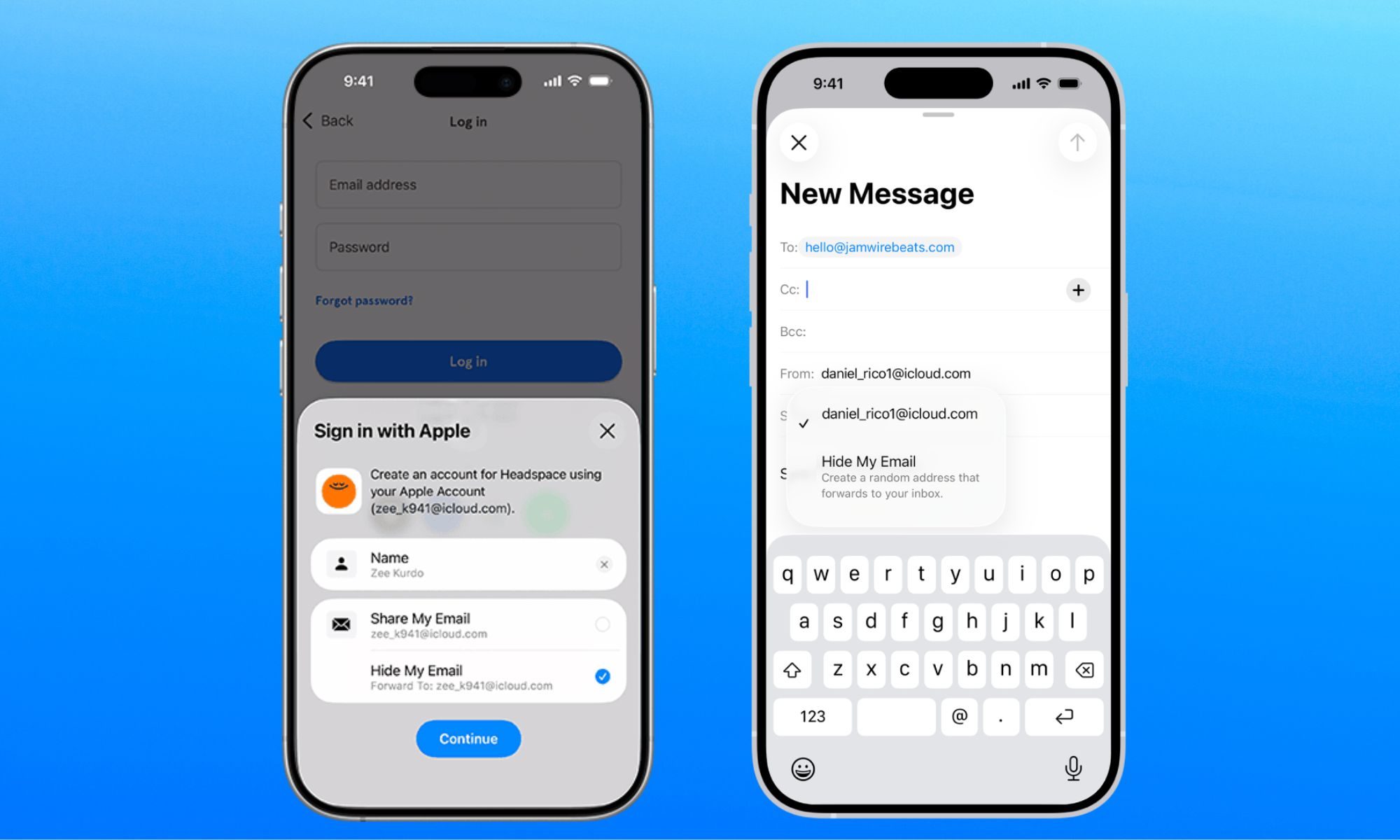
Turns out the "Hide" part of Hide My Email wasn't doing its job quite as advertised, something that I covered early in July. Security researcher Tyler Murphy reported the flaw in June 2025, but despite Apple claiming it was resolved in March 2026, independent tests confirmed it remained exploitable, at least until July 3, 2026.

So how did this bug actually work?

Read more
Gemini Notebook’s new Collections arrive just as Google turns it into a bigger workspace
Google is cleaning up notebook organization as the former NotebookLM expands across Gemini and Search
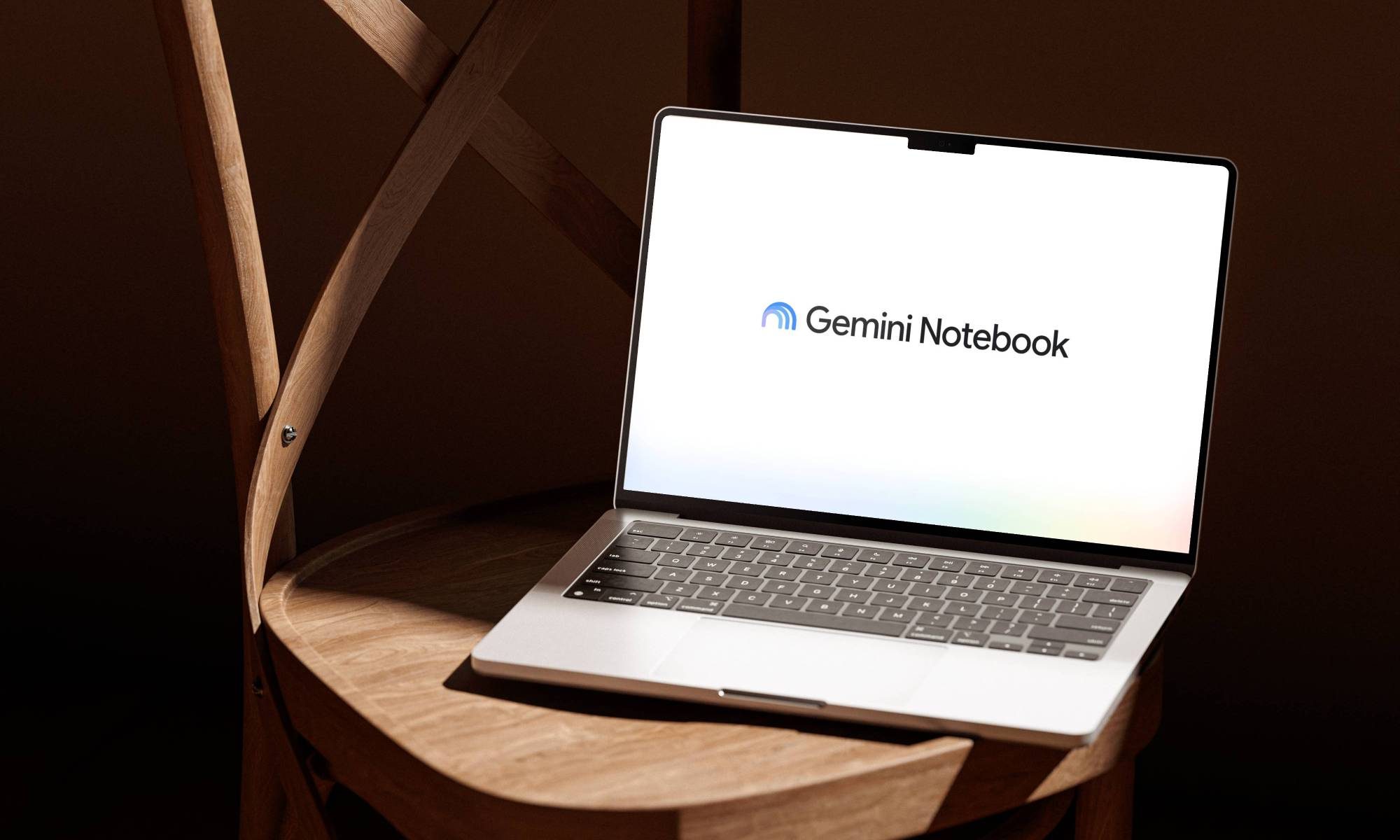
Gemini Notebook branding on a MacBook

Google has barely finished renaming NotebookLM, and it’s already addressing one of the headaches that comes with building a large research library.

Collections are rolling out to all Gemini Notebook users, giving them a way to group related notebooks while keeping everything visible under My Notebooks. The dashboard gets some structure without asking users to rearrange the library they’ve already built.

Read more