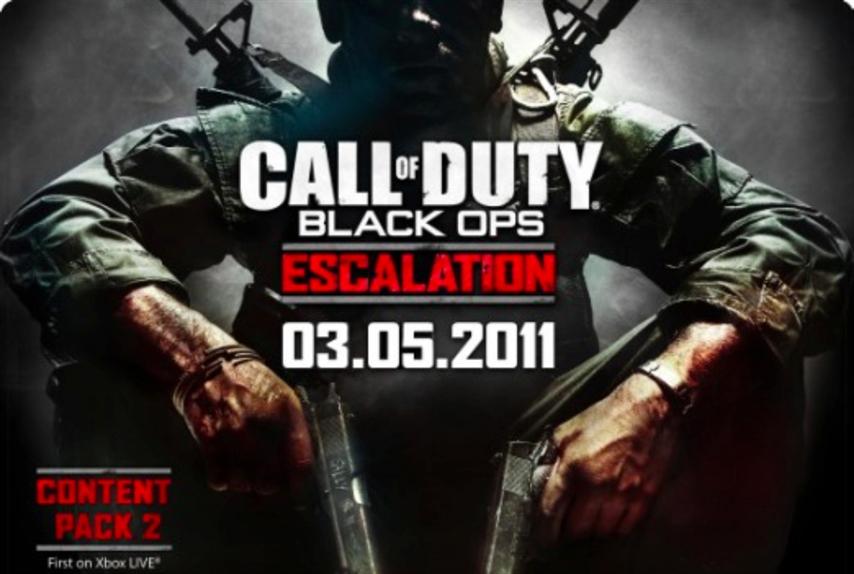
 Back in February, Activision stepped up and took a different kind of axe to its Guitar Hero franchise, cancelling development on the next release in the series and, as we later learned, putting the entire franchise on hiatus. Now, an internal memo penned by company CEO Eric Hirshberg has leaked to Giant Bomb — which is down at the time of this writing, so the news comes from gamesindustry.biz — in which the recent Guitar Hero developments are considered alongside the current all-time high popularity for the publisher’s Call of Duty series.
The memo, which is arranged as a Q&A, asks Hirshberg, “Isn’t Call of Duty today just like Guitar Hero was a few years back?” It’s actually a good question, and Hirshberg has a lengthy, multi-part response. While there are similarities in the two franchises’ successes, he notes first that Hero rose in popularity very rapidly, largely owing to the fact that it was a new genre, whereas Call has seen increasing growth across the length of its seven year existence.
Hirshberg also points to Call‘s massive online community as a key factor in the franchise’s continued success. “Call of Duty exists in a genre – first person shooters – that has shown remarkable staying power and wide appeal over a period of decades. Plus, Call of Duty has inspired a massive, persistent, online community of players, making it perhaps the ‘stickiest’ game of all time.”
It’s a hyperbolic statement, but Hirshberg also isn’t wrong. The first Modern Warfare game in the series effectively changed the level of expectation people have for the online component in their games. That 2007 release introduced the massively multiplayer-oriented concept of persistent stat tracking and experience gains, with continued play leading to a rise through the game’s ranks and the unlocking of better and better equipment. In short, Activision dangled a delicious-looking carrot in front of the game’s fans, one that kept them coming back in large numbers to keep reaching for.
“If you really step back and dispassionately look at any measurement – sales, player engagement, hours of online play, performance of DLC – you can absolutely conclude that the potential for this franchise has never been greater,” Hirshberg writes
“In order to achieve this potential, we need to focus: on making games that constantly raise the quality bar; on staying ahead of the innovation curve; on surrounding the brand with a suite of services and an online community that makes our fans never want to leave. Entertainment franchises with staying power are rare. But Call of Duty shows all of the signs of being able to be one of them. It’s up to us.”
The takeaway here is pretty simple. Call of Duty isn’t going anywhere. You can bet that it’s going to see some changes in the coming months and years, maybe not so much on the level of core gameplay but rather in how it is delivered to the public and what forms it takes.