Most of us know Technicolor as the company that makes movies pretty by enhancing the color, like The Wizard of Oz. But these days, Technicolor has been working on some crazy future technology that has little to do with color, and a lot to do with getting an ultra-magnified view of the average consumer. Technicolor’s latest big ideas do everything from turning on your lights and enhancing your multimedia experience to delving inside your mind. Here’s a look at some of the crazy projects the company showed off at CES 2013.
Emotions running high
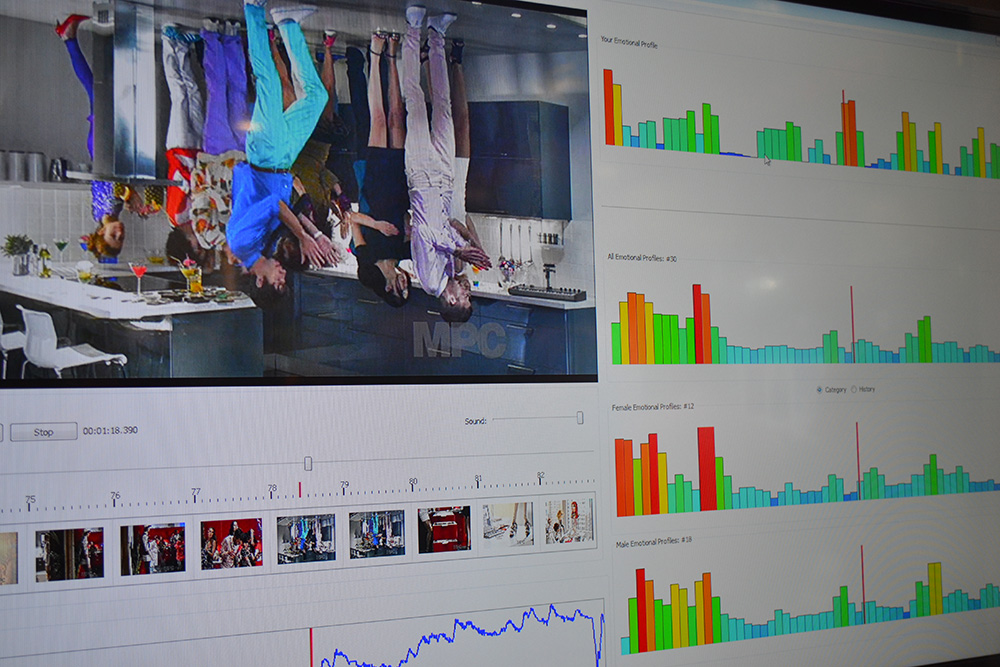
One of the coolest technologies Technicolor exhibited at CES this year was also the eeriest. A brand new system called Content Emotions Capture uses realtime “advanced biometric technology” to find out how consumers react emotionally to what they watch. The technology is still in the prototype stages, but Technicolor envisions it as a way to find out what people react to in movies, and how. The data could be used to help studios refine marketing tuned specifically for key demographics, but also to enhance surveys for home content so that companies can better target their audiences with advertising, among other things. And that’s just the beginning.
 To show how the new system works, Technicolor straps a Bluetooth-ready sensor to your hand (which presumably measures your heart beat) and then shows a nightmarish 3-minute video with everything from polar bears falling from the sky and bashing bloodily against parked cars, to people dancing on the ceiling, and even disturbingly realistic acrobatic babies on roller skates. The engineers can then monitor a synced chart to tell exactly when an emotional response is reached in the clip. Eventually, through facial recognition technology, companies who purchase Content Emotions Capture should be able to tell exactly what you like, hate, or fear in each second of every scene you experience – Big Brother, meet your biometric companion. The software and sensors will be available for purchase soon, and we’re not quite sure how we feel about that.
QEO the digital butler
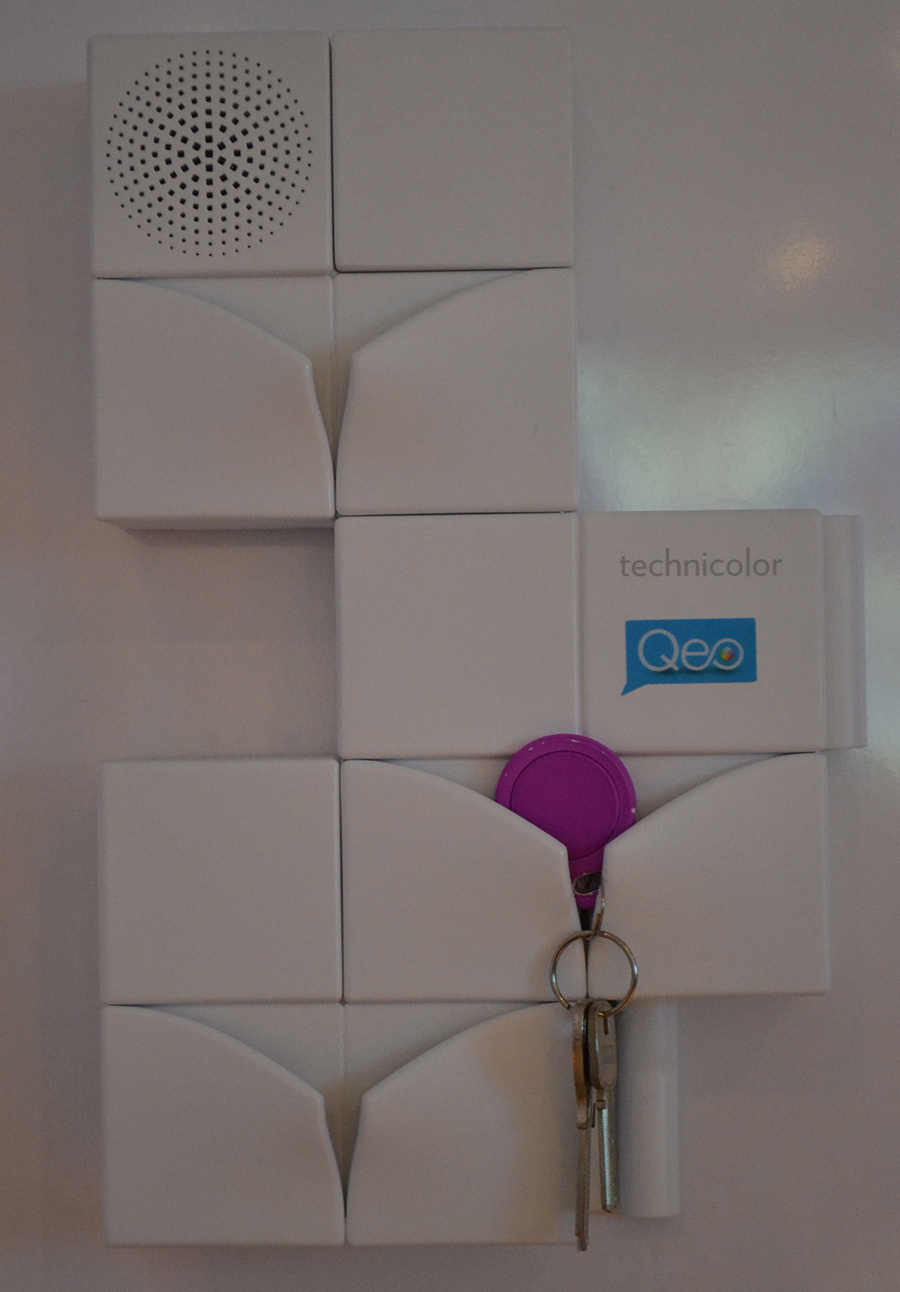 Besides reading minds, Technicolor has also been dabbling in home automation. Technicolor’s QEO home automation is different from many other house-connect systems in that it works with hardware from multiple different companies, and is ready for most of the stuff you already own. With the new system, your front door can use any digital camera to do facial recognition, so you can program into the software who is coming into your house, and what relationship you have with them through social networks and other connections. The display version at the booth was able to turn on the lights, recognize the “homeowner” and power on his devices, and even tell him whether or not he was ready to leave the house by giving a green or red light on a wall-mounted sensor that monitored things like open doors and windows.
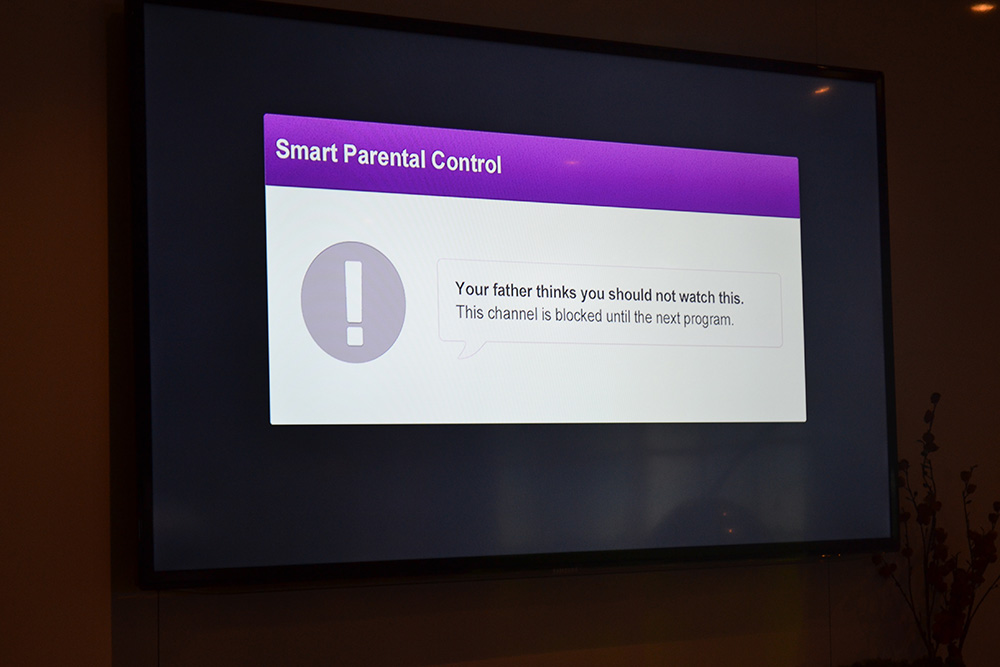
Aside from house-connect tech, the QEO system also allows you to move media from tablet to TV through your local network, and even sends you alerts on your smart phone if your kids are watching unapproved content while you’re away, prompting you to call them or even turn the content off while you’re away. Though the prototype had a few bugs, QEO is very much a real technology that should be available to consumers some time in the second quarter of this year.
Magic Ruby
The last technology we checked out at Technicolor was the Magic Ruby app system. Magic Ruby was originally a Technicolor branch, but has now become its own company. It specializes in companion apps for TV and video games. The system uses digital watermarks, which are embedded into video as sonic alerts above the human hearing spectrum, to coordinate your tablet or mobile phone with real-time TV content. Although it sounds cool, the apps have been around for a couple of years now, and one reason you may not know about them is that, as far as we can tell, many of them are loaded with advertising. Each app is designed specifically for the TV show or video game it represents, so there are multiple different versions. Keep your eye out for them, as we will, to see if they do anything more interesting than output extra commercials, sports stats, and trivia games.
Editors' Recommendations
- Best projector deals: Replace your TV with a big screen from $58
- Walmart is having a clearance sale on Vizio TVs — From $148
- How to download music from SoundCloud on desktop and mobile
- How to download movies and shows from Disney+
- The best TV brands of 2024: from LG to TCL, which should you buy?