When Eastman Kodak unveiled the Brownie camera in 1900, it was little more than a cardboard box with a lens and a roll of film (a concept that made a bit of a comeback in 2019). As basic as it was, it was revolutionary in democratizing photography.
In those days, buying a camera was simple. Fast-forward more than a century later, and modern cameras are so diverse and advanced that buying one is definitely not a one-model-fits-all kind of decision.
Most of us already own a pretty decent camera in the form of a smartphone and knowing when a dedicated camera provides an actual benefit over our phones can be difficult to determine. Prices for new cameras range from a couple hundred to a few thousand dollars, with numerous brands and models at each tier along the way.
This guide is designed to get first-time camera buyers pointed in the right direction. As we’ll be referencing different sensor sizes, it’s a good idea to familiarize yourself with those first, or scroll to the megapixel myth section for an explainer on why bigger sensors take better pictures.
Point-and-shoot cameras
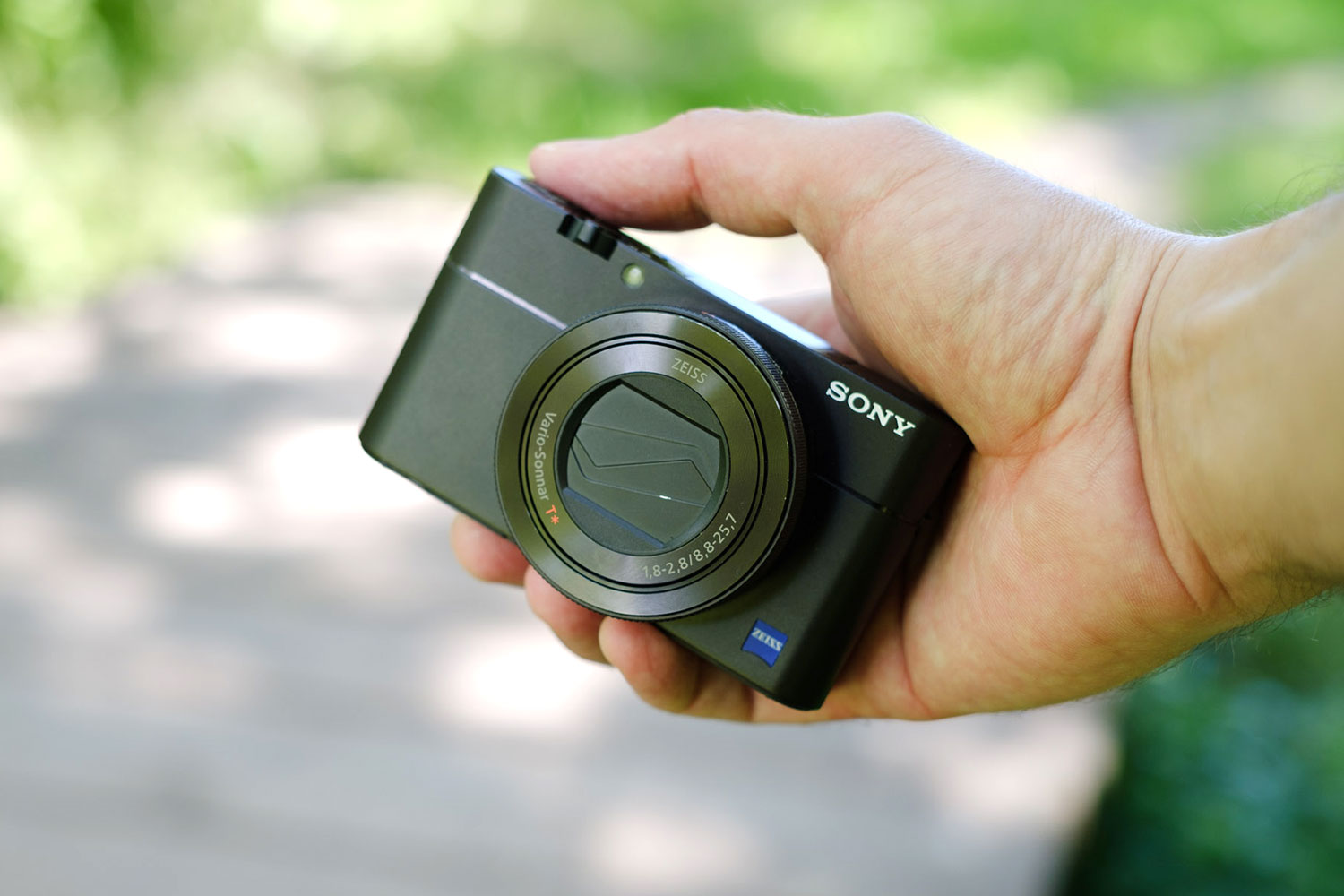
These run a wide gamut. They can be compact, affordable, and easy to use, or advanced models with long zooms, large sensors, and full manual controls. The one constant is a lens that can’t be removed from the camera.
You’re probably aware that the point-and-shoot’s popularity has waned considerably as cameraphones have gotten so good. Basic point-and-shoot cameras are no longer attractive to the masses, and manufacturers have responded by shifting efforts into higher-end models.
While some entry-level point-and-shoots can be found in the $100-$200 range, these typically won’t offer image quality that’s noticeably better than a modern smartphone. They will, however, offer features phones usually don’t have, like zoom lenses.
For better quality, an advanced compact is the way to go. Look to cameras that use a 1-inch-type sensor, like Sony’s excellent RX100 series. These cameras start around $500 but can cost as much as $1,500 or so. With a sensor much larger than that in the typical point-and-shoot (or your phone), image quality takes a big step up. The downside is that a larger sensor makes everything else about the camera, from the body to the lens, also larger. The Sony RX100 remains impressively small, although you can find cameras of similar size with smaller sensors that pack in much more zoom.
Another type of point-and-shoot is the considerably less compact superzoom, so named for its extremely long zoom lens. The Nikon P1000 currently holds the record for longest zoom, with a power of 125x (an equivalent focal length of 24-3,000mm). Such a camera gives you a lot of shooting flexibility in a relatively compact package.
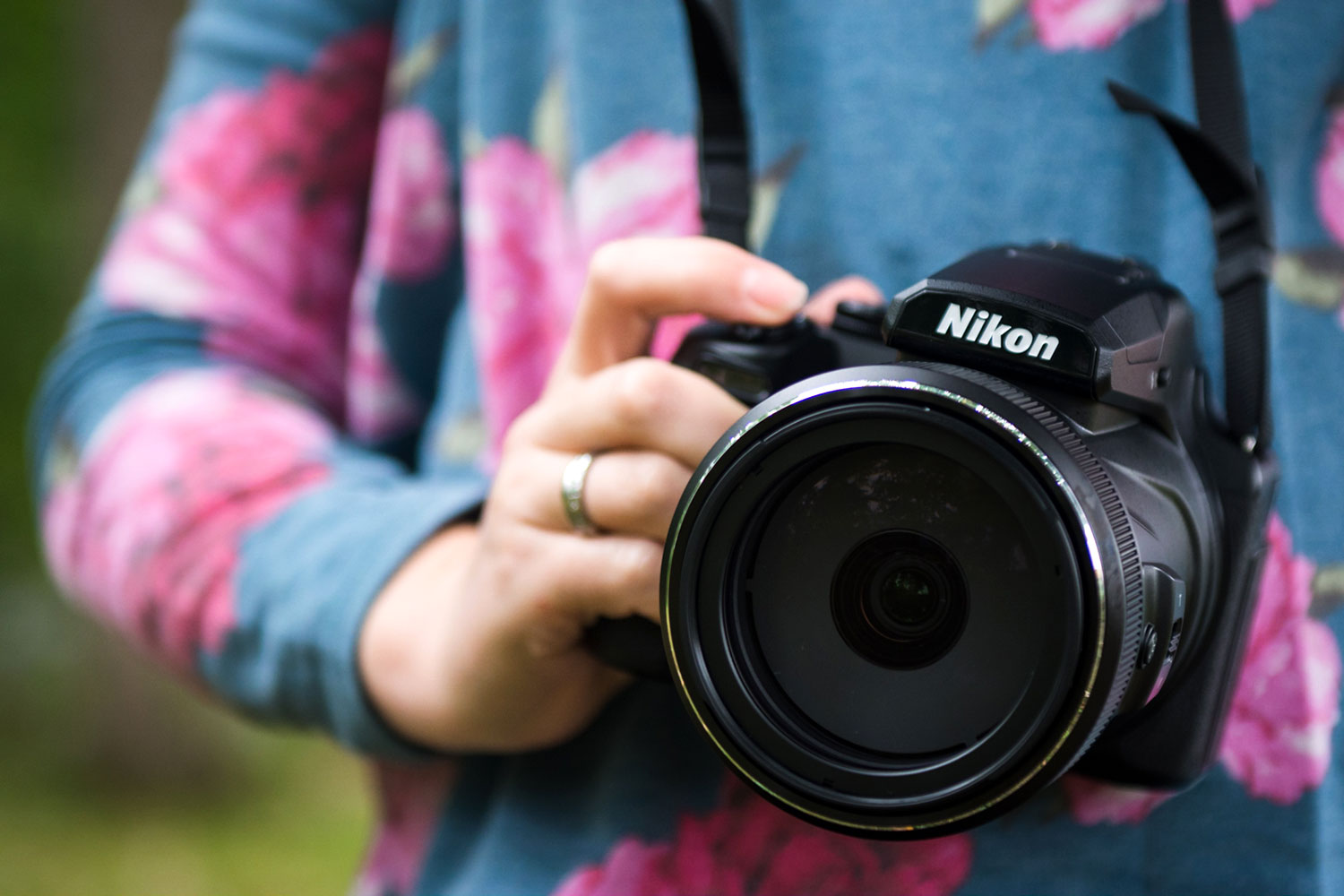
Note, though, that while superzooms look like beefy DSLRs, they still have the limited photo quality of a compact camera due to their small sensors. A few higher-end models, like the Sony RX10 series, have larger one-inch sensors. Image quality will likewise be better on such models, but they can’t match the ultimate zoom range of a small-sensor superzoom.
Ruggedized and waterproof point-and-shoots are a niche subcategory built to handle a day at the beach or survive a drop in the pool. They tend to have inferior image quality and much shorter zooms compared to other point-and-shoots, but they do offer peace of mind while snapping photos in places where you wouldn’t dream of bringing an expensive camera or smartphone.
Mirrorless cameras

This category offers superior image quality, more creative options, and faster performance than point-and-shoots, without all the bulk of a DSLR — sort of.
The name “mirrorless” comes from the fact that these cameras don’t have the mirror found in a DSLR and, likewise, also don’t have an optical viewfinder. Instead, mirrorless cameras are always in live-view mode, whether you’re looking at the LCD screen or through an electronic viewfinder (EVF). Mirrorless cameras tend to be pricier than compact cameras, but the entry-level models are often cheaper than premium point-and-shoots.
There are different formats of mirrorless camera employed by different brands. Panasonic and Olympus share the Micro Four Thirds (MFT) format, meaning you can use Panasonic lenses on an Olympus camera and vice versa. Fujifilm uses the larger APS-C sensor for its X Series models and Sony makes mirrorless cameras with both APS-C and larger full-frame (35mm) sensors. Canon, Nikon, and Panasonic introduced full-frame mirrorless cameras in 2018 that finally give Sony some real competition, and Canon also maintains its EOS M line which uses the APS-C format.
Prices for mirrorless models start at around $500 and can go up to several thousand for professional models. As with point-and-shoots, a larger sensor will usually have an image quality advantage, although APS-C sensors are already many times bigger than what you have in your phone. Most mirrorless cameras have at least 20 megapixels, which is fine for the majority of photographers, but if you really do want to maximize resolution, you’ll have to look to larger sensors. The Sony A7R IV currently holds the record for highest-resolution full-frame camera at 61 megapixels. The Fujifilm GFX 100, which uses an even larger medium-format sensor, is has 100MP — and costs $10,000.
Read more about the best mirrorless cameras.
DSLR cameras

DSLRs cover the same price range as mirrorless cameras and run the same gamut from consumer to professional. An entry-level consumer DSLR will offer much better image quality compared to a compact camera because of its larger sensor, but won’t offer the speed and extras of a professional DSLR. If the size doesn’t bother you, $500 on a basic DSLR will go farther than a $500 compact, at least in terms of image quality.
DSLRs don’t necessarily offer better image quality or more versatility than mirrorless cameras, but they do have some other benefits. Even as electronic viewfinders have improved significantly and have many benefits, some photographers still prefer the optical viewfinder of a DSLR. This is also what gives DSLRs their vastly superior battery life, as an optical viewfinder draws very little power. A midrange DSLR can easily get over a thousand exposures on a single battery.
The biggest downside of a DSLR is the bulk. Compared to mirrorless cameras, DSLRs are bigger and heavier. They are also worse for video, not necessarily for anything to do with video quality, but simply because the optical viewfinder is useless in video mode (which requires live view).
For most first-time camera buyers, we would probably recommend a mirrorless camera over a DSLR.
Finding your price
Ideally, you don’t have to spend a fortune to find the camera that is right for you, but as the saying you goes, you get what you pay for. It’s important to consider what you need, though: Many models that are priced higher are loaded with features that you might never use, but will give you room to grow into if you plan on pursuing photography as a passion or profession.
On the flip side, spending too little may result in a camera that’s disappointing. With smartphones taking such good photos these days, it’s difficult to recommend buying an entry-level point-and-shoot, unless you need it for a specific purpose. For better image quality, plan to spend at least $500, but you can certainly get away with less if you just want more versatility than what your phone offers. An expensive camera won’t make you a better photographer.
The megapixel myth
If you simply read camera spec sheets, you’ll see that point-and-shoots and DSLRs in some cases have similar megapixel counts (16MP, 20MP, and so on). However, this is like saying that a pickup truck is the same as a sports car because they both have four wheels.
The physical size of the sensor matters more to image quality than the number of pixels on it. This is why a point-and-shoot with a 1/2.3-inch sensor will never stack up to a DSLR with a much larger APS-C or full-frame sensor, even if the point-and-shoot has more pixels. While there are also subjective quality factors like depth of field control that come from larger sensors, the objective reason for the improved quality is that a bigger sensor gathers more light. This leads to less noise in low light situations and better color and contrast overall.
This doesn’t mean that high-resolution cameras don’t have a place; they offer ample control for cropping and can make very detailed, large prints. Just don’t expect a point-and-shoot to compare to a DSLR even if it has more megapixels.
Speed and performance

These days, most cameras are sufficiently fast for any casual uses. Interchangeable lens cameras, whether mirrorless or DSLR, typically offer better performance than compact cameras. They will focus faster, track subjects better, and take more pictures per second (although some compact cameras, like the Sony RX100 series, outclass DSLRs on that last one).
We recommend looking for a camera with at least 5 frames per second (fps), but you may need more if you’ve got kids who play sports. At the same time, don’t be drawn in by marketing alone — a camera advertising 10-20 fps sounds exciting, but few people have an actual need for that much speed.
Ergonomics
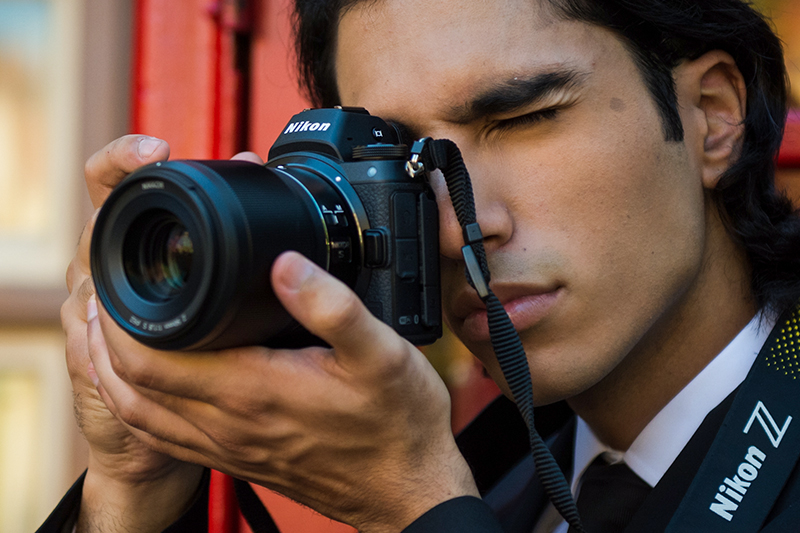
This is an understated element of cameras. If at all possible, try before you buy. Make sure a camera fits comfortably in your hand and that it’s not so heavy that you won’t want to carry it around with you. The camera you buy should offer quick accessibility to the most commonly used functions, and menus should be simply structured, logical, and easy to learn.
Touchscreen models can allow for a familiar user experience, but at the same time can be frustrating if the controls and menus are poorly organized or the screen can’t be calibrated to your touch. Much of this is subjective, so we recommend getting hands-on with different models if you have the opportunity to do so.
Interchangeable lenses
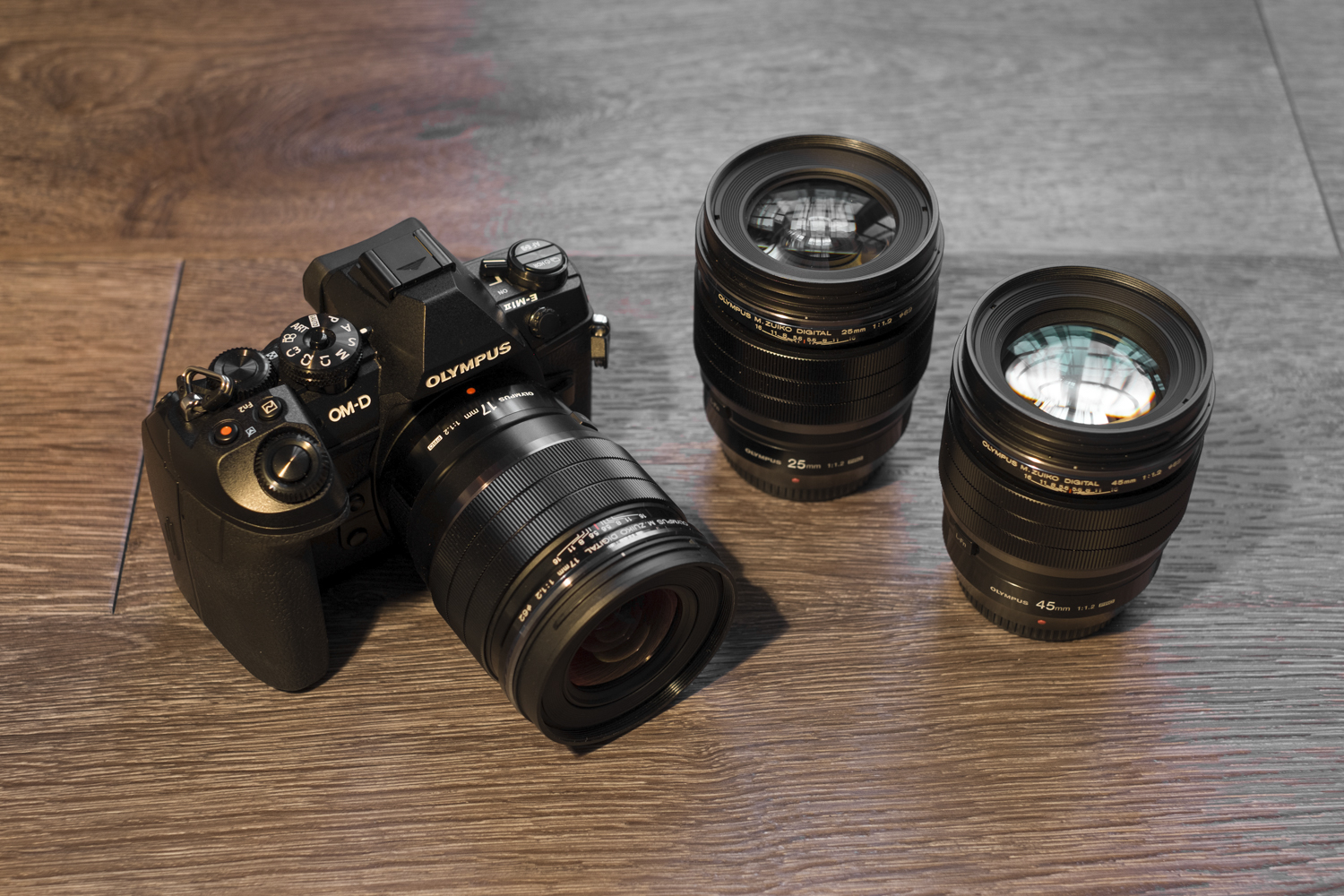
There are several attributes that differentiate a camera from good to great, and the lens is perhaps the most important one. A camera that lets you swap lenses gives you different creative options to choose from. While some point-and-shoot cameras on the high-end have very good optics, they can’t compete with the versatility of interchangeable lenses.
Most DSLRs and mirrorless cameras are typically sold with a basic kit lens. This short zoom is compact and convenient, but it doesn’t really demonstrate the potential of the camera. You can spend a small fortune on a variety of lenses from wide-angle to telephoto. Changing a lens literally changes your perspective, and choosing one is such a large topic that we have a separate buying guide dedicated to lenses.
First-time camera buyers often ask if, say, Canon lenses can be used on a Nikon camera. In general, you cannot cross brands — at least without using third-party adapters and sacrificing some performance. The exception to this is Micro Four Thirds, where both Panasonic and Olympus make lenses that can be mounted on either brands’ cameras.
There are also third-party manufacturers, like Sigma and Tamron, that make lenses in different mounts to fit Canon, Nikon, Sony, and other brands.
Image stabilization
Optical image stabilization helps eliminate blur from your photographs by physically shifting elements within the lenses. This is especially useful for long-zoom lenses which can be hard to hold steady. This tends to be the preferred method of DSLRs, although not all lenses are stabilized.

Sensor-shift stabilization (often called in-body image stabilization, or IBIS) physically moves the sensor in response to vibrations. This is the preferred stabilization method of mirrorless cameras. It typically performs very well and has the benefit of working with any lens.
Electronic image stabilization (EIS), by contrast, is a camera trick. While it might capture a less blurry picture, it often does so at the expense of reduced image quality. This is the preferred method of action cameras, and some — like the GoPro Hero8 Black — have actually done it quite well.
Optical vs. electronic viewfinders
A viewfinder certainly has its advantages, and photography enthusiasts still prefer them over using an LCD screen. They are all but necessary in bright sunlight when an LCD screen may be washed out, and can also just help you focus on the photograph and ignore external distractions.
DSLRs feature optical viewfinders (the image from the lens reflected from the mirror), while mirrorless cameras use electronic viewfinders (EVFs), which are essentially tiny LCD screens with an eyecup. Most point-and-shoot cameras don’t have EVFs, as they do add to the camera’s size and weight, but some high-end models do, such as the Sony RX100 VI.
Optical viewfinders provide the clearest possible image and don’t drain the battery. Electronic viewfinders offer a host of their own benefits: You can see the effect of your exposure and color settings while shooting, you can zoom in to check focus, and you can display all sorts of other information.
Video
All cameras shoot video these days, and many even record at 4K Ultra HD resolution. High-end mirrorless and DSLR cameras offer video features that are even suitable for cinematic filmmaking, as well as increased creative options from the choice of lenses available.
One thing to pay attention to is framerate. 24 to 30 fps is normal, 60 is good for super smooth playback or slow-motion, but occasionally a manufacturer will put out a camera that advertises 4K video but hidden in a footnote you’ll find it only records at 15 fps, which is barely video at all.
Any camera, from point-and-shoot on up, will provide decent video for casual uses, but perhaps the most important feature for good video is stabilization. If you don’t want to carry a tripod around, make sure you have a camera with in-body image stabilization or a lens with OIS. This will help ensure smooth, non-jittery footage for your handheld video shots.
Read more about the best video cameras.
Other specifications to consider
Shooting modes
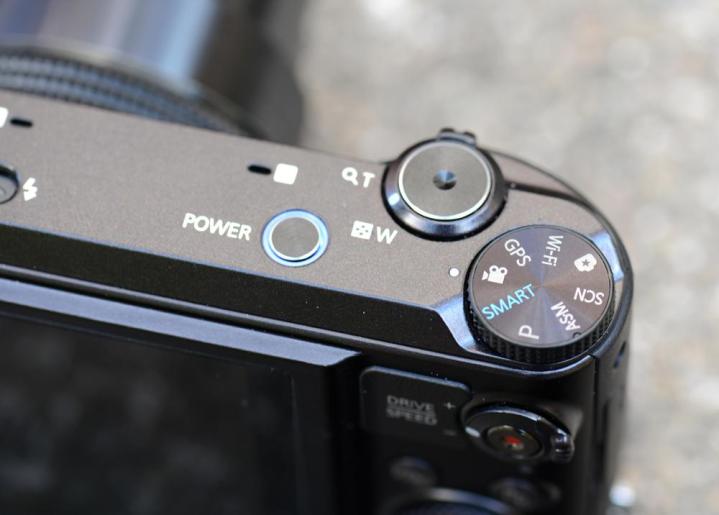
Entry-level point-and-shoot cameras usually offer a plethora of shooting modes, but all of them are just takes on the basic automatic mode. If messing with a camera’s aperture, shutter speed, and ISO isn’t your cup of tea, then this is okay.
However, advanced compacts and interchangeable lens models will offer significantly more control over your images with manual exposure modes. These cameras still include auto modes, so if you’re not ready to turn autopilot off quite yet but think you might want to try your hand at flying in the future, look for a camera that offers manual control.
RAW vs. JPEG
JPEG is the de facto standard for images pretty much everywhere. If you’ve ever looked at a picture on the internet, chances are it’s a JPEG. Most cameras shoot straight to JPEG by default, and for most people, that’s just fine.
Higher-end cameras, especially interchangeable lens models, offer the ability to shoot in RAW. RAW images record the full information from your camera’s sensor, without throwing any data away like JPEGs do. They won’t necessarily look better out of the camera, but they provide quite a bit more flexibility for anyone who wants to work with their images in post-production. Shadows can be brightened, highlights can be turned down, color balance can be changed completely — RAW opens up a new world of editing possibilities.
All that extra image information comes at a cost, however. RAW files are typically four-times larger than a high-quality JPEG. If you plan to shoot in RAW, make sure you have a large memory card and plenty of hard drive space.
Wi-Fi and GPS
Wi-Fi is almost a must-have feature on a modern camera, given the prevalence of social media. If you want to be able to share your image straight to Instagram or Facebook without plugging your camera into your computer first, then don’t buy a camera that doesn’t have built-in Wi-Fi. Most manufacturers include it in most models these days, and each has their own iOS or Android app for connecting the camera wirelessly to transfer images. The apps usually are basic, but they get the job done.
As for GPS, this isn’t an obvious necessity for most people. If you do a lot of traveling, GPS is nice for geotagging your pictures so you can easily know where each was taken. Not many cameras have the feature built in, but some manufacturers have optional GPS add-ons if you want to add the ability. Whether built-in or not, keep in mind that when GPS is active, your camera’s battery will drain significantly faster, so don’t use it when you don’t need it.
Weatherproofing, dust-proofing, and shock-proofing
First off, let’s clear up some confusion: a camera that is weatherproof, rainproof, or splash-proof is not waterproof. A weatherproof camera implies that all the seams and buttons have been sealed to keep out rain, mist, and light splashes, but it won’t survive if submerged. A waterproof camera, on the other hand, is designed to be taken underwater. If you shoot landscapes in the rain, you want weatherproofing. If you want to take pictures while snorkeling, you want waterproofing.

Many high-end mirrorless and DSLR cameras are weatherproof, which makes them suitable for a wide range of outdoor photography. A little rain or snow won’t damage them, nor will the mist of a waterfall or the splash of a small wave over the bow of a boat. Lower-end interchangeable lens cameras are usually not weather-sealed, however. Another thing to keep in mind: If your camera is weatherproof, but the lens is not, you could still be in trouble.
Waterproof cameras are a particular subset of point-and-shoot. They also tend to be shockproof, so if you drop them while on a hike, they’ll survive. Waterproof cases also exist for interchangeable lens cameras, but these can be quite expensive. You’ve probably seen some of these on Shark Week.
Bottom line
If you are on a limited budget, say $300 or less, really think about whether you need a standalone camera at all. If you buy one, make sure you’re going for features (zoom lens, waterproofing, etc.) that your smartphone doesn’t have, and don’t expect significant image quality gains. If your budget is a little higher but you want to stick with something simple, consider an advanced compact camera with a 1-inch-type sensor. Here you can check the best Black Friday camera deals we found.
Should you decide fast response and better quality are what you seek, or are interested in photography as a hobby or profession, it’s time to purchase a mirrorless camera or DSLR. Entry-level models start around $500, but while more expensive options provide more room to grow into. Remember, it’s all about finding the camera that’s right for you.
Editors' Recommendations
- How to photograph fireworks and capture the colors of Independence Day
- Photography 101: Exposure, aperture, shutter speed, and ISO
- The best camera straps for 2021
- The best photography tripods
- The best full-frame cameras


