When it comes to choosing a streaming service, consumers have access to more options than ever before. The most popular streaming services out there deliver access to familiar shows and movies, as well as excellent new exclusive programs. Whether you want access to live-streaming TV, access to your comfort shows, or a wealth of amazing original shows, there is an option out there that delivers the shows you want to watch at a price that will fit into your budget. So let’s take a look at two of the biggest players in the game, Netflix and Amazon Prime Video.
Netflix is well-known, and is the most popular streamer out there. It delivers a huge video on demand (VOD) library, featuring both blockbuster movies and new exclusive shows like Bridgerton, and Stranger Things. Amazon Prime Video is just one of the perks that comes with Amazon Prime, and it’s library is nothing to scoff at either. Along with a deep library of existing content, its original programming, like The Boys and Reacher, is well worth checking out.
So which one is right for you? Let’s dig in.
Content
The most important thing to consider when choosing a streaming service is whether it has the shows and movies you actually want to watch. Otherwise, what’s the point, right?
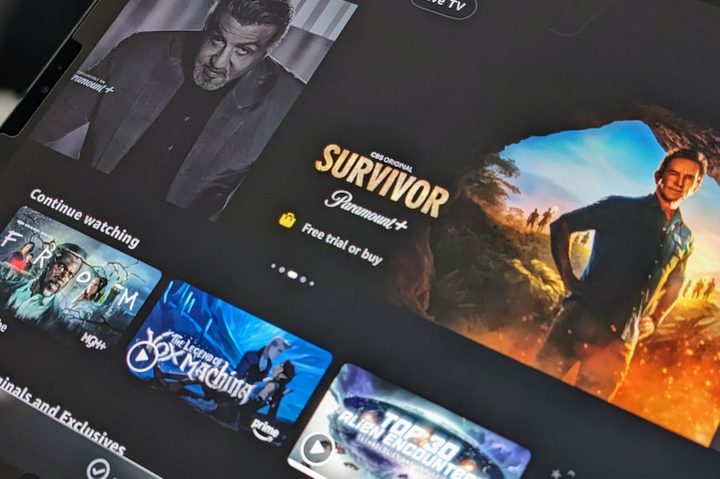
Neither Amazon Prime Video or Netflix is a slouch when it comes to curating a gigantic VOD library. Amazon has the largest library of any streaming service, and Netflix is right on its tail.
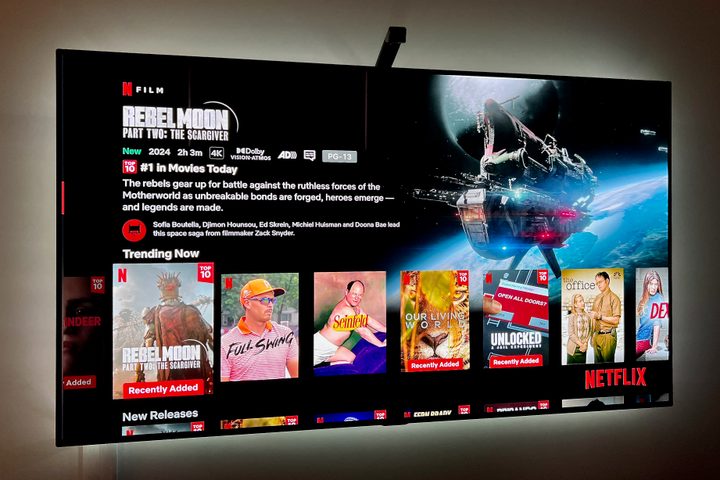
Netflix might be the original name in online streaming, but that doesn’t mean it hasn’t had to learn what people want to watch as the streaming landscape becomes more crowded. It has had to pivot from an endless catalog of existing movies and TV to putting real money and time into developing new exclusive movies and shows. It’s paid off too, thanks to breakout hits like Bridgerton, Stranger Things, Will & Harper, and Arcane. The emphasis on developing quality programs you can only get from Netflix has helped to cement this streaming giant as a major player, putting it in the leagues of Max when it comes to gold standard TV.
Amazon Prime Video has the perk of being something you might already be paying for without even realizing it. That’s because this streaming service is one of the perks of an Amazon Prime membership. It features an absolutely gigantic library, with more than 24,000 movies and over 2,100 shows to devour. This includes some absolute gems that are a bit older now, including plenty of action flicks that were filmed in the 1980s or ’90s and aren’t available elsewhere. Amazon has also put a serious emphasis on delivering original shows and movies to draw people in. These include knockouts like The Boys, Fallout, Reacher, and The Legend of Vox Machina. Amazon also has the additional perk of accessing some live TV streaming through channels on the app. Many live programs are available through specific channels, but you can also access local news and sports through the Live TV tab on the Amazon Prime Video app.
Price
When it comes to cost, both Netflix and Amazon Prime Video are available at a price that should fit just about any budget. However, choosing your subscription also requires considering what features you want, how important image and sound quality are to you, and whether you’re willing to put up with ads.
Netflix has three tiers for its video streaming service, but prices did just jump in 2025. Standard with ads will run you $8 per month and is the basic tier of service. It gives you access to most programs on the service, allows you you stream or download on two devices, and lets you watch in 1080p. This is also the only tier of Netflix where ads exist at all. The Standard plan is $18 per month and removes ads, opens up the entire library for watching, delivers video in HD, and lets you watch and download on two devices. The Premium tier of Netflix is $25 per month, but delivers video in up to 4K, lets you watch on up to four devices at once, allows downloads on six devices, and gives you access to Netflix spatial audio. With the Standard and Premium subscriptions, you can also add other users to your Netflix account, even if they don’t live with you.
Amazon Prime Video by comparison is a bit more cut-and-dried. If you already pay for an Amazon Prime Membership, then Amazon Prime Video is bundled in there, giving you access to the entire video catalog. That membership will run you $139 per year, and also includes Amazon Music, and the usual Amazon shopping benefits. If you only want access to Amazon prime Video, you can snag a subscription for $9 per month. A Prime Video subscription will stream in 4K Ultra HD with up to HDR10+ where its available, and lets you stream up to three titles at once.
Device support
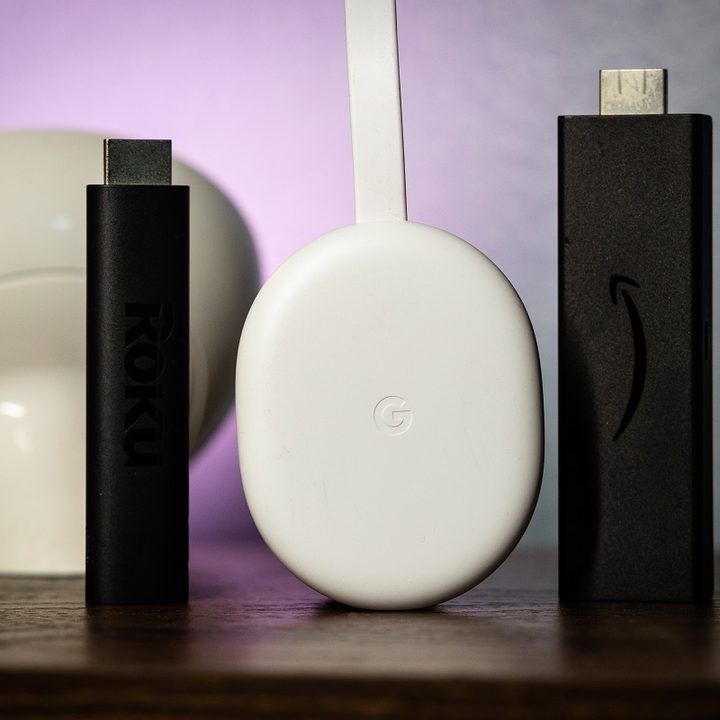
While choosing a streaming service can be tricky, finding the devices supported by those services isn’t. If you have a streaming device, a smartphone, a tablet, a home computer, or a video game console, you should be able to watch both Amazon Prime Video, and Netflix without any hassle. Both services are very popular, so they’re widely supported by most (if not all) video-playing devices. Some features, like Dolby Vision and HDR10+, require compatible devices, too (more on this below). Unless your hardware is wildly obscure, or very old, you shouldn’t run into any issues. Here are the supported device lists for both Amazon and Netflix.
Sound and picture quality
When it comes to sound and picture quality, you want a streaming service that can deliver the best possible experience. However, its worth remembering when it comes to video quality that even if a streaming service has 4K titles, you still need hardware capable of displaying it in 4K. That means your TV, or streaming box, needs to be up to the task you’re asking of it. Additionally, your internet speed will need to be fast enough to display it properly, or you may run into issues.
Amazon Prime Video delivers solid quality on its video, including 4K Ultra HD resolution and HDR streaming support, including for HDR10+, and does so at no extra charge. Prime Video does support Dolby Vision, too, but you’ll have to pay for the privilege but subscribing to its ad-free premium plan. In terms of video quality, that’s huge, and those with high-quality, large TVs (55 inches and up) should take serious note. Its audio is solid too, delivering 5.1, 7.1, and Dolby Atmos surround sound encoding on select content (you have to pay for the ad-free tier for this, too, unfortunately).
Both video and audio on Netflix are fantastic, but you’ll need to pay to access the best possible quality. The company has mastered the art of adjusting its level of video compression to match your internet connection speed, so unless you intentionally set the video quality to a lower level to conserve data, you should get crystal-clear picture and sound — especially if you’re on the Premium plan.
Both of Netflix’s Standard plans offer up content in 1080p definition, or Full HD, and the $23-per-month Premium plan delivers 4K quality. Netflix has long delivered HDR content in the form of Dolby Vision, and where once its lack of HDR10+ support was a deficit, as of March 2024, the streamer has finally added HDR10+ to its feature list. This will be of particular importance to Samsung TV owners, as the South Korean electronics giant has never supported Dolby Vision on its sets, but now that Netflix has upped its HDR10 game to the better HDR10+, they will surely rejoice. Some of Netflix’s content is also available with Dolby Atmos soundtracks, along with the 7.1 and 5.1 surround sound options.
Interface and accessibility features
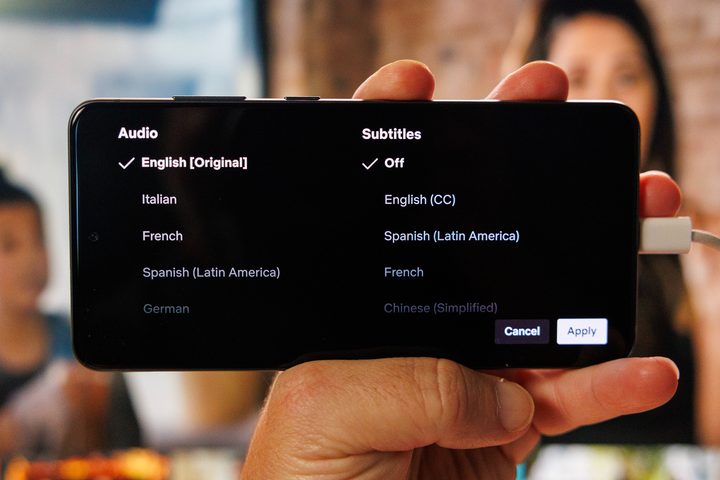
Both Amazon Prime Video and Netflix look great, and so long as you’ve used any other modern smartphone app, neither should give you much trouble. Both services have adopted the tile format of showing off content in their libraries, and have featured sections, with a variety of different genres and sections you can search through for specific titles. Netflix is a bit more consistent across devices, but that’s to be expected since it only has one app and one website.
When it comes to accessibility features, both services have a few different options that are worth knowing about. Netflix has had subtitles on its programming for a decade now, but it also has a number of other assistive features like font sizes, screen readers, and audio descriptions. You can find details on all of its accessibility features at Netflix’s website. Amazon Prime Video also features subtitles, alternative audio tracks, and a dialogue boost function in its array of accessibility features. Its full list of accessibility features can be found an the Amazon website, too.
Conclusion
While choosing between these two services can be difficult, it all comes down to which one has more of the features you want. Both Netflix and Amazon have an amazing library, filled with both exclusive new programming and plenty of old favorites.
If you’re already paying for Amazon Prime, then you’ve actually already got Amazon Prime Video, and everything it has to offer. That means exclusive shows like Man in the High Castle, live TV streaming, and every show and movie hidden in the VOD library. Netflix is by far the most popular service out there, not to mention, its original content features some of the most famous actors in Hollywood. Netflix invests so much in its licensed and original content, always giving viewers something to watch. Netflix developed the online video streaming model. As a result, its interface is consistent and easy to use, letting users find the content they want to watch seamlessly.
Of course, to get the best of both world you could just snag a subscription to both Netflix and Amazon. That way you’ll never miss a thing.