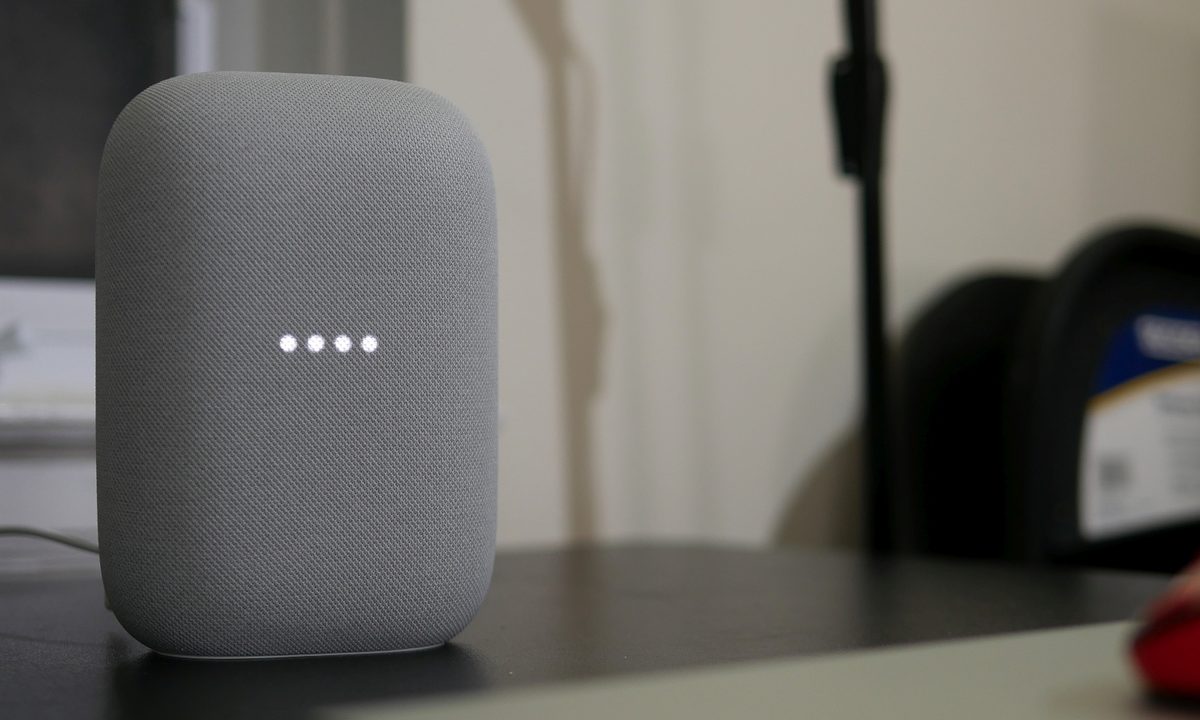
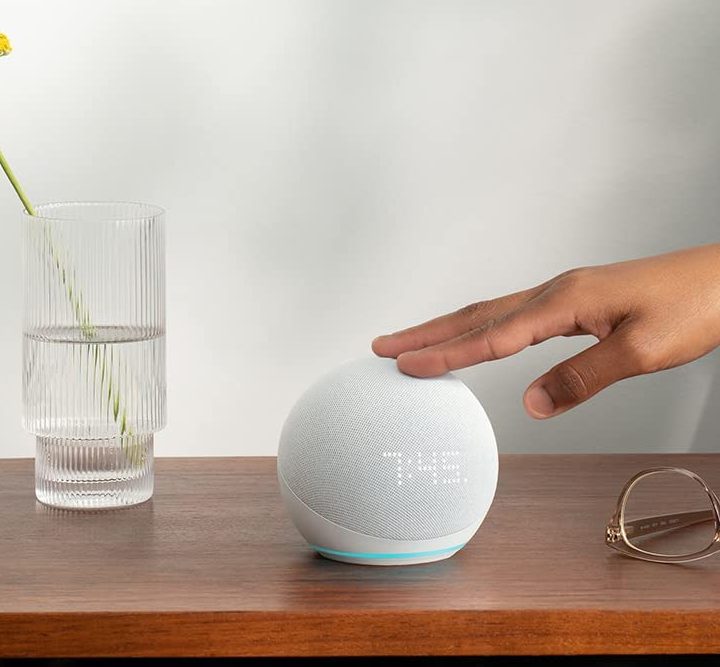
We’ve covered plenty of excellent smart speakers, from popular Amazon Echoes and Nest smart displays to the Siri-friendly HomePod Mini. But one thing most tend to have in common is the fabric covering the speakers themselves. It wasn’t always in vogue — the first Echos didn’t have it, for example. Once companies started switching to this design aesthetic, no one could get enough.
That fabric has some advantages. It blends in easier with the decor, especially when it’s available in a few different shades. But they can also get dusty over time (or attract pet hair, etc.), just like everything else, which raises an important question: How do you clean them? Would any cleaning techniques damage the speaker? There are a few different options, so let’s go over our preferred methods.
How to clean the fabric on your smart speaker
You don’t have to attempt these in any particular order, but we’ll start with our favorites that have delivered the best results.
Step 1: Always unplug your device before you begin.

Step 2: Grab a lint roller, peel off the latest strip, and get to work. A lint roller offers the best of all worlds: It draws up lingering dust, picks up small bits of debris that may have gotten trapped on top of the fabric, removes any literal lint, and generally cleans the whole thing in just a few passes. and have multiple uses around the home. They create a little more waste than some other methods, but that’s really the only downside.
Step 3: Use a . Most home vacuum cleaners have an attachment designed for careful fabric work. Even if they don’t, there’s usually a dusting brush attachment for certain kinds of hard surfaces. These attachments will work well for cleaning the fabric of a smart speaker.
Keep the suction turned down if possible to lower the risk of any accidents. Usually, the easiest way is to palm the smart speaker in one hand, hold the vacuum attachment in the other, and work them both together to cover the entire surface.
This method may be the best option if the speaker has a more serious dirt problem, like crumbs that have worked their way inside or layered pet hair from a pet rubbing against the fabric repeatedly.
Step 4: Grab a tried-and-true dusting cloth. Don’t use any cleaner on it, just wipe the speaker fabric with it thoroughly using a light touch. This movement will help remove outer layers of dust on a speaker that just needs a little upkeep from time to time. Make sure you use a clean cloth, like a .

What if the fabric is stained?
Stains happen too, especially if you have a smart speaker in the kitchen while you’re cooking (a common use) or if a toddler gets a little too creative with markers or crayons. Here’s what to try.
Step 1: A simple stain caused by a kitchen spill can usually be cleared up with the quick application of a dampened dusting cloth or kitchen towel. Try this first. Don’t use so much water that the speaker fabric has a chance of being soaked in the process.
Step 2: If your stain is more gunky, grab a cleaning toothbrush, dab it with a little bit of warm water, and scrub the area for a minute.
Step 3: Marks from markers, crayons, etc. are much harder to remove. While the colloquial wisdom is to try rubbing alcohol, smart speaker manufacturers are very clear that only the tiniest amount or, preferably, none at all, should be used. Plus, you could risk damaging the fabric or its dye in the process. Avoid detergents and other soaps, too.
Instead, we suggest trying a in combination with some of our steps from above for your best shot at getting rid of these serious marks.
Step 4: Let the device sit and thoroughly dry for an hour or two before plugging it back in.
What if I want a smart speaker that doesn’t have fabric?
You’ve got options! We recommend something like the amazingly versatile .