
Are the Xbox One and PlayStation 4 doomed to be trounced by gaming PCs?
Not long ago, our own Matt Smith put forward this contentious opinion, claiming that PC gaming is on the rise. Technically, it’s “gaming on a computer” rather than PC gaming, but I use that phrase as a blanket term that also encompasses Mac and Linux. Just want to clarify that before the first enraged Linux user strikes back. His points were logical, and his arguments make sense, but he’s also wrong. So very wrong.
It’s a familiar argument: PC gaming is king and will crush the pathetic console market thanks to superior tech. You hear it each time a new console game is lauded for its graphical prowess. PC fans snicker and laugh at their console counterparts, occasionally calling them something like “adorable,” assured in the knowledge that if people like good graphics, they are one step away from buying a gaming PC.
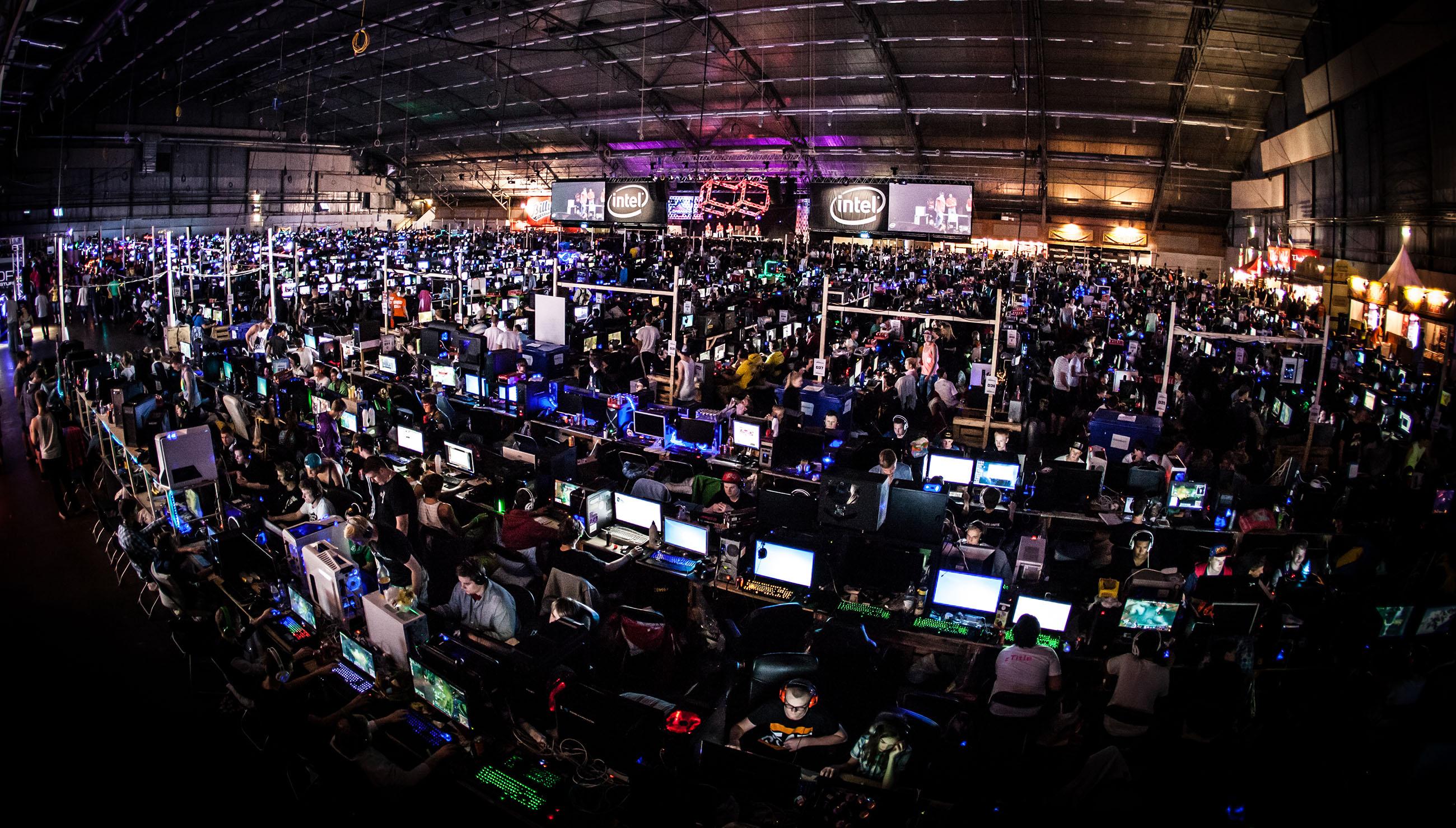 And it makes sense. PCs outclass consoles in several departments. They have better graphics, can be upgraded, and years ago began offering the social integration that is just now reaching console fans. And of course, the PC itself has plenty of other uses beyond gaming and entertainment. So to a hardcore PC gamer, when people get wildly excited for a new console that’s – from a technological standpoint – already several years out of date, they justifiably think that everyone around them is taking crazy pills. Yet consoles are, and will remain king for the foreseeable future.
To be clear, I don’t have a dog in this fight. I want both the PS4 and the Xbox One to do well, and I want PC gaming to succeed. I have high hopes for the Steam Machines, and I even have a soft spot in my heart for the Wii U. But there is no way PC gaming is going to overtake console gaming, at least not for the next 5 or 10 years, and maybe beyond. In fact, the odds are better that gaming PCs are going to become more like consoles than the other way around.
Blame Battlefield
First, some perspective. Yes, Battlefield 4 may look eye-meltingly awesome running on a souped-up gaming PC, but there is a reason the Battlefield franchise used to be PC only and is now multi-platform. It turns out EA and DICE both enjoy money, and the console market is far, far more lucrative.
 In 2012, there were 32 million units of software sold globally for PC, and there was only one PC game in the top 30 – Diablo III – which came in at number 14. By comparison, the combined PS3, Xbox 360, and Wii software sales topped 331 million. Xbox 360 alone made up nearly 133 million of that total, and by the end of its lifespan, Microsoft’s system could top 1 billion pieces of software sold. Yes, there are other factors like free-to-play gaming, which is a massive worldwide industry that doesn’t count “software sold.” In China, for example, consoles have no traction but gaming is a massive industry. Still, Grand Theft Auto V sold over 25 million copies, counting on consoles alone. That’s where the audience is. Rockstar will probably release a PC port one day, but it’s in no hurry because it knows where its bread is buttered.
Gamers go where the games are, and most developers making them are sticking with consoles. That’s where the money is.
Easy as Sunday morning
It really comes down to one simple factor: People like things easy. You know those infomercials where the host and hostess try to convince you that a simple action like using a ladder or washing a dish is infinitely more complicated than if you use their ingeniously clever new product? Easier sells.
With a console you take it home, plug it into your TV and Internet, and the rest of your setup is down to following simple, on-screen commands. That appeals to a majority. With a PC there are many, many more steps, and it generally begins with the gamer having to know at least a bit about PCs in the first place.
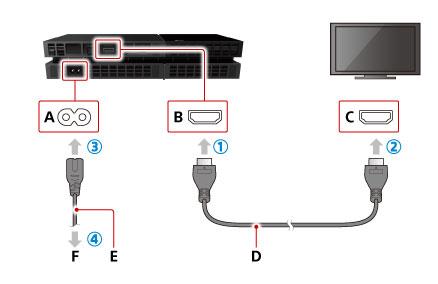 Most gamers don’t care how a system works as long as it works. That may not make those fans “hardcore gamers,” but it makes them the majority. There’s a snowball effect as well: If you want to play games online, you’re going to go where your friends are. You may be a dedicated, hardcore gamer that swears by the PC, but if your friends all play on consoles, you’re going to get a console.
Then there is the cost. If you know computers, you can build a powerful gaming rig for a few hundred dollars. It can be relatively inexpensive, but it will likely be significantly more than a console. If you can make a powerful gaming PC that costs less than, say, the $500 Xbox One and outperforms it, then you are in a minority even among PC gamers. Most gaming rigs are pricey, and in order to make the most of the PC gaming experience, you will need to regularly buy new graphics cards, memory, and more. Brag about the ability to upgrade all you want, but someone who bought a $400 Xbox 360 seven years ago is still getting just as much enjoyment out of their system as the guy who bought a gaming computer at the same time, and certainly dropped over a grand into – maybe double that. Chances are, the PC guy went through several rigs in that time.
The future is nigh
More and more, laptop and desktop PCs are losing ground, in terms of sales, to simpler devices that are easy to use. By 2017, tablets will outsell traditional PCs. Why would consoles yield to a medium that is itself shrinking?
Meanwhile, the PS4 and the Xbox One each sold one million units in their first 24 hours. They sold out everywhere they were available. By the end of the year, they will likely sell more than 3 million apiece, if supply can keep up with demand, and that would mean the next-gen systems actually outsold their predecessors at launch.

Part of their appeal is that they are more robust than their predecessors. The Xbox 360 and the PS3 extended their lives by moving out of gaming and into entertainment, and their successors build on that. If the new consoles have taught us anything, it’s that the future of gaming is going to revolve around devices that are more entertainment centers, devices that make doing once complex things simple.
If PC gaming hopes to be more than a niche in the future, PCs are going to have to adopt a similar model, with apps that are easy to use and simple to install. There will come a point when the line between what makes a PC and a console blur so much that the two may difficult to distinguish. When that happens, it will favor the consoles more than the PCs.
Look at the Steam Machines. PC gamers are rightly excited by these devices, but they sound more and more like consoles that function as PCs than the other way around. They hook up to a standard TV out of the box, primarily use a controller over a mouse and keyboard, and run a custom OS. Don’t mistake me, these are still gaming computers, but they are far, far more like consoles than the majority of rigs Steam currently exists on.
Conclusion
There will come a point when we will have to redefine what “PC gaming” and “console gaming” actually mean. The line between the two will disappear. If you could jump 10 and 20 years into the future and see where gaming goes, however, those devices would likely look a lot more like consoles than PCs. Sorry PC gamers, that’s just the way it is.


