1. Home
  2. Computing
  3. Legacy Archives

Global Losses From Software Piracy Growing

Add as a preferred source on Google

A new study conducted by IDC for the Business Software Alliance finds that about 35 percent of the software installed in personal computers worldwide is pirated—and that’s a number which hasn’t changed much since 2003. What has changed is the amount of money the software industry is losing to piracy: according to the BSA, for every two dollars earned from legitimate software sales, another dollar goes to software pirates. In 2006, losses totaled almost $40 billion worldwide—$5 billion more than the estimated losses from 2005. Over the next four years, the study predicts loses will amount to more than $180 billion.

The results are part of the BSA’s fourth annual study of global PC software piracy. The survey covered 102 countries, and found that piracy rates declined "moderately" in 62 countries, while increasing in 13 nations.

Recommended Videos

"The good news is we are making progress, however, we still have a lot of work to do to reduce unacceptable levels of piracy," said Robert Holleyman, BSA President and CEO, in a statement. "These significant losses translate into negative impacts on IT industry employment, revenues, and financial resources available for future innovation and the development of new technologies."

Surprisingly, the study found that China, long known as a hotbed of software and media piracy, dropped its piracy rate by four percentage points—and that’s actually a continuation of a downward trend which has seen the country shave ten points off its piracy rate in three years’ time. Of course, all things are relative: for 2006, China’s piracy rate stood at 82 percent, down from 92 percent in 2003. The study also found Russia’s overall piracy rate declined from 87 percent in 2003 to 80 percent in 2006.

The United States and Western Europe saw relatively static piracy rates of 22 percent and 36 percent, respectively.

Of the 102 countries included in the survey, roughly one third had software piracy rates over 75 percent. The study also found that while Latin America, Eastern Europe, the Middle East, Africa, and the Asia Pacific region account for about one third of all PC shipments, they represent only about 10 percent of spending on PC software.

"A number of factors contribute to regional differences in piracy: the strength of intellectual property protection, the availability of pirated software, and cultural differences," said IDC chief research officer John Gantz. "Reducing software piracy around the world will take much more work and investment, but those efforts will pay off in the form of stronger local IT industries that drive broader economic growth."

Geoff Duncan
Former Contributor
Geoff Duncan writes, programs, edits, plays music, and delights in making software misbehave. He's probably the only member…
Lenovo’s next ThinkCenter desktop is ready to hit the shelves, but the price will make you blink twice
The ThinkCentre X is finally heading to the US with up to 256GB RAM, dual RTX 5060 Ti GPUs, and a price tag that rivals a used car.
Lenovo ThinkCentre X workstation with monitor

If the phrase "future-proof desktop" means never worrying about running out of RAM again, Lenovo may have just built the ultimate machine. The company is preparing to launch its new ThinkCentre X workstation desktop in the US after making it available in several international markets. Built for AI workloads, professional content creation, and demanding enterprise applications, the desktop can be configured with up to 256GB of DDR5 memory, Intel's latest Core Ultra 9 processor, and support for dual GeForce RTX 5060 Ti 16GB GPUs.

A workstation built for serious workloads

Read more
A metallic Hall effect keyboard and a 59g mouse are Lenovo’s latest upgrades for snazzy gaming setups
The Legion R7 RT75 keyboard and Y7MG mouse bring 8K polling to both sides of your gaming setup
Computer, Computer Hardware, Computer Keyboard

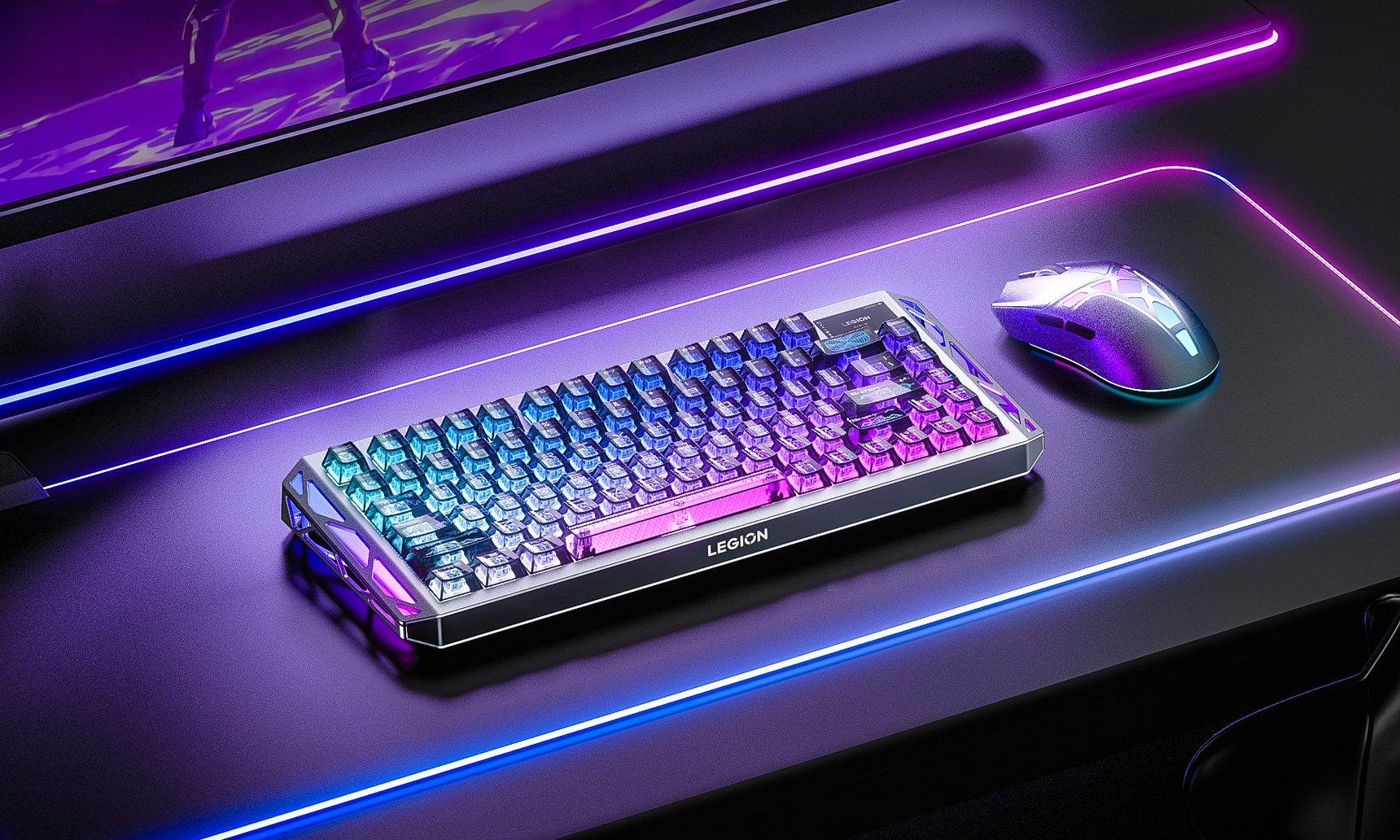
Magnetic gaming keyboards and lightweight mice are hardly unusual anymore, but Lenovo is trying to push both ideas a little further with its latest Legion peripherals. The new lineup includes the Legion R7 RT75 keyboard and Legion Y7MG mouse, and both support an 8,000Hz polling rate for players who want every input delivered to their PC as quickly as possible.

Of course, Lenovo has styled these peripherals to be as bold and eye-catching as possible without getting in the way of practicality. The keyboard has a hefty metallic design with translucent keycaps and RGB lighting. Compared to that, the mouse is more tame and traditional in design, but it also has an RGB strip that appears to belong on an alien spaceship. (via NotebookCheck)

Read more
Shopping for back-to-school? These are the budget laptops I’d actually recommend
From a $359 Chromebook to the cheapest way into macOS, these are the budget picks worth your money.
Computer, Electronics, Laptop

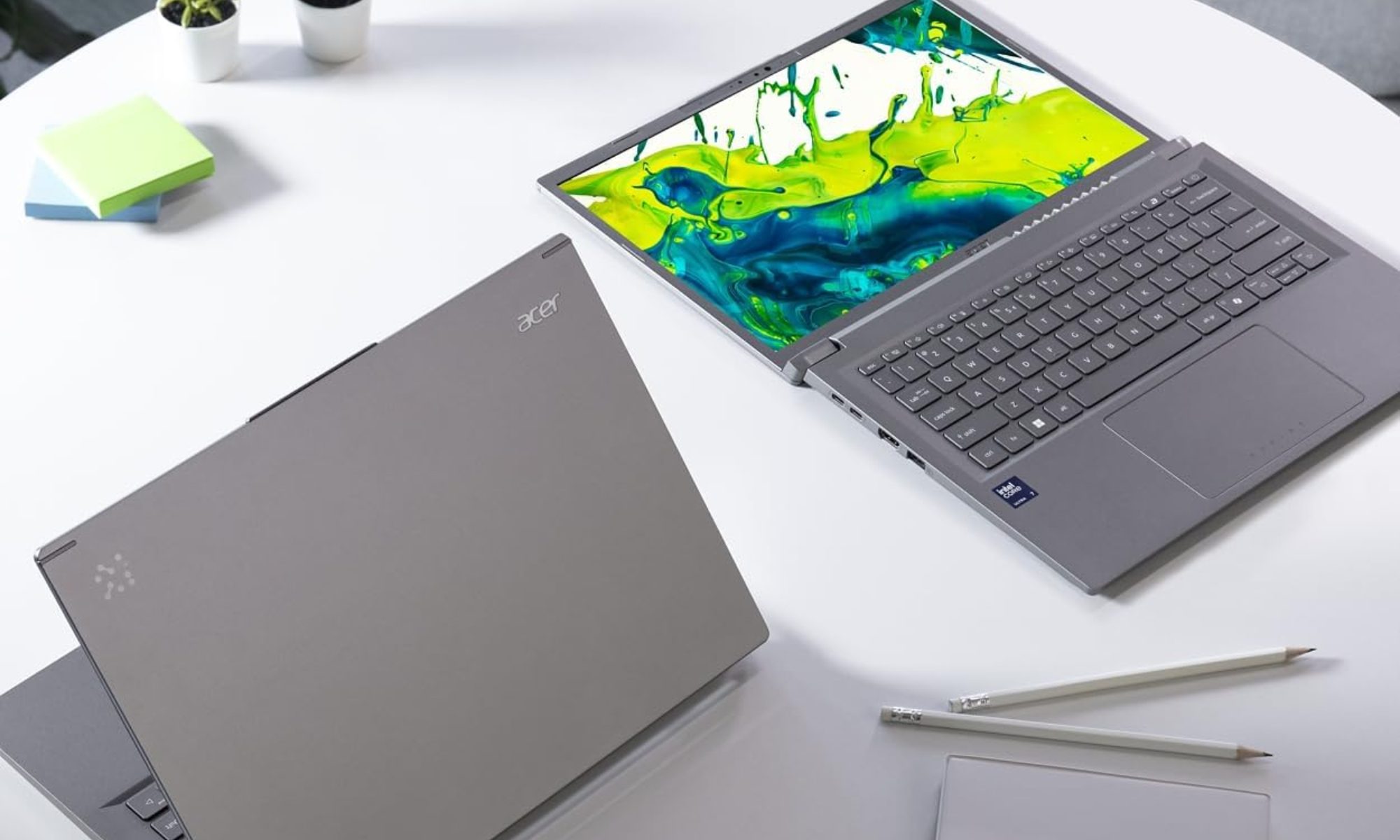
The back-to-school season often turns into a laptop, especially the budget ones that aren't too heavy on your wallet. Due to the ongoing memory crisis, most manufacturers have already bumped up their laptop prices, including Apple. However, that doesn't mean that I won't help you get a new machine. So, for this one, I spent time digging through spec sheets, customer ratings, and price tags, finding devices that don't just look cheap in an Amazon listing, but actually hold up. 

From a flexible touchscreen Chromebook to the least expensive way into macOS, these six laptops balance price and performance well. I'd hand any one of them to a student heading back to campus this fall, depending on what they need and what their priorities are. 

Read more