1. Home
  2. Mobile
  3. Legacy Archives

Samsung readies a new Galaxy Beam phone/projector hybrid

Add as a preferred source on Google

We hope you’re still ready for some more Samsung Galaxy action even after the quickfire unveiling of the S5, Gear, Gear Neo and Gear Fit — a new database entry indicates the company is working on a follow-up to its ill-fated Beam device, which combined a mobile phone with a pico projector. The original handset launched in 2012 but failed to attract a substantial number of consumers, thanks partly to a so-so set of specifications.

Now we have some clues about its successor, thanks to an entry in China’s Teena government database, where new devices are certified. As well as the pictures displayed above, some specifications are listed: The documents suggest the phone will have a 4.66-inch WVGA (800 x 480 pixel) display, Android 4.2.2, a quad-core 1.2GHz processor and 1GB of RAM.

Recommended Videos

While these are distinctly average components when put up against the latest and greatest smartphones, they are still an improvement over the original Beam, and the big selling point will not be its benchmarking prowess but its ability to project a large image on to a screen or blank wall. At 11.6mm thick the new Beam is also thinner than the one that came before it.

Another change Samsung has deemed appropriate is the switch to a metal chassis, perhaps to attract business users who are more interested in the phone’s projecting capabilities than whether or not it has more grunt than the Nexus 5. You can see where the projector will be housed thanks to the bulge on the back cover of the handset.

The listing confirms that the Beam mark two exists in some form or another, but where it will launch and at what price remains to be seen. Are you excited by the idea of a phone that can project movies, YouTube clips and presentations? Or should Samsung have given up after its first effort?

[Image courtesy of Engadget]

David Nield
Former Contributor
Dave is a freelance journalist from Manchester in the north-west of England. He's been writing about technology since the…
Topics
The best note-taking apps for iOS and Android
I tested these apps for months so your notes never have to switch homes again.
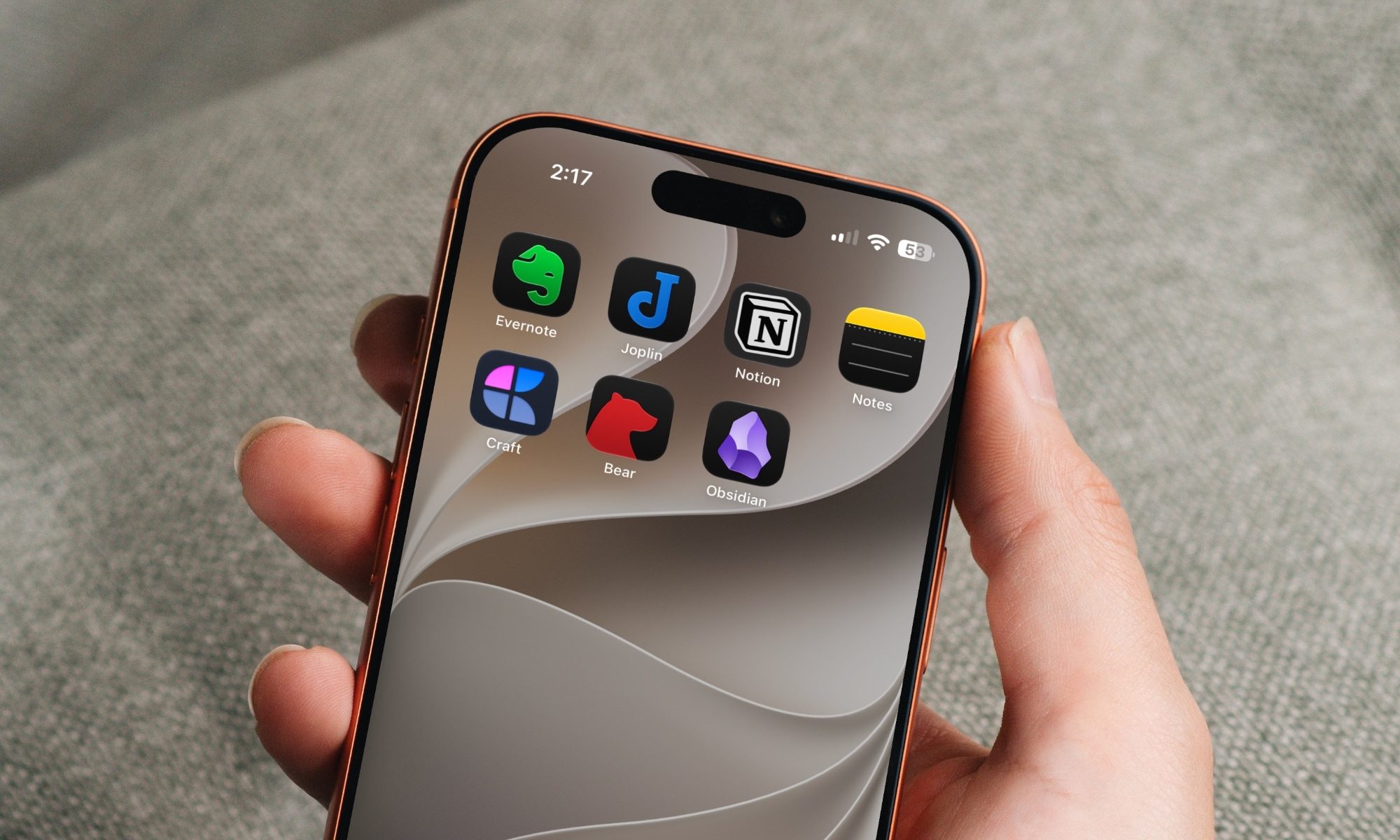
iPhone showing note-taking apps

Choosing a note-taking app is not easy. What note-taking app you choose depends on your needs, the platform you use, and of course, the cost. The process becomes even more complicated as it seems that there’s a new shiny app released every other week. 

That’s why I always suggest choosing a note-taking app that has all the features you need and can last you for a long time. Also, don’t chase new apps. The real power of a note-taking app comes when all your notes live in one place, making it easy to spot connections between them.

Read more
The best phones in 2026: our 14 favorite smartphones right now
We tested phones across all price brackets so that you can make the best pick based on your needs and budget.
Google Pixel 10 Pro Fold vs Galaxy Z Fold 7 cameras

Choosing the right smartphone in 2026 is no easy task. Apple and Android manufacturers now have strong options at almost every price, while better cameras, longer battery life, improved software support, new AI features, and more refined foldable designs have made the market more competitive than ever. But picking one is not easy, especially if your budget is tight, or you are just legitimately concerned about getting the best value for your money and need a reliable daily driver for long-term usage.

We have tested and compared the leading smartphones available today, looking beyond the spec sheet to see how they actually perform in daily use. Camera quality, battery life, performance, display quality, software, design, and long-term value all play a part in our recommendations. Whether you are looking for a powerful flagship, a dependable budget phone, a compact device, or a foldable, this guide should help narrow down your choices.

Read more
Snapchat Planets Meaning: Order, Rankings, and How Friend Solar System Works
Snapchat Planets turns your best friends list into a solar system, and yes, your orbit says a lot
Snapchat Planets being shown on the Snapchat app on iPhone.

Snapchat+ includes several exclusive features, but few have generated as much curiosity as Snapchat Planets. Part of the app's Friend Solar System, it transforms your Best Friends list into a planetary ranking, assigning each of your top eight friends a planet based on how often you interact.

From Mercury, which represents your closest friend, to Neptune, which represents your eighth closest, the system offers a quick visual snapshot of your interactions. But what do the different planets actually mean, and how does Snapchat decide who gets which one?

Read more