1. Home
  2. Computing
  3. Legacy Archives

Conficker Starts Waking Up

Add as a preferred source on Google
Conficker Starts Waking Up
Image used with permission by copyright holder

April 1 may have come and gone without hordes of Conficker-infected zombie computers rising up from the Internet to take over the world, but that doesn’t mean the worm has gone away.

On April 7, Conficker’s authors began seeding a new version of the worm, and—as with previous versions—the update packs in new features designed to get around security patches and techniques employed to stop the worm. The new variant on Conficker, loosely dubbed Conficker.E, is apparently spreading via peer-to-peer networks (according to Trend Micro) and—very curiously—comes with an expiration date: May 3, 2009. That’s right: the latest version of the Conficker worm comes with its own shut-off date, and no one is sure why.

Recommended Videos

The goal of the Conficker updates appears to still be “scareware:” convincing unsuspecting users their computers are infected and making them pay for a software fix to remove the problem—which, of course, never happens. Fears that the Conficker worm—and the estimated 12 million computers it has infected—would be used to send massive amounts of spam or execute denial-of-service attacks so far appear unfounded. However, the new variant of the Conficker worm also seems to have a connection with the well-known Waledac malware, both connecting to a known Waledac haven site and downloading new Waledac variants. Conficker’s intention there might be to set up Waledac as a spamming operation.

The exploit Conficker uses to move between Windows machines was patched by Microsoft back in October; computers that have been updated since then should be immune to the worm. The Conficker Working Group has also posted a handy “eye chart” Web page that lets users quickly know whether their systems are infected.


Geoff Duncan
Former Contributor
Geoff Duncan writes, programs, edits, plays music, and delights in making software misbehave. He's probably the only member…
MSI’s new 4K 120Hz OLED monitor uses inkjet tech that could make premium screens cheaper
The first 27-inch 4K 120Hz IJP OLED monitor arrives through MSI and TCL CSOT
Computer Hardware, Electronics, Hardware

The future of OLED monitors may have just taken a significant step forward. MSI and TCL CSOT have unveiled the world’s first 27-inch 4K 120Hz desktop monitor built using inkjet-printed OLED technology, bringing a manufacturing method once limited to prototypes and specialist displays closer to everyday buyers.

Called the MSI Pro Max OLED 271UPJW12, the monitor uses a TCL CSOT panel created by printing organic light-emitting material directly onto the display. The process wastes less material than conventional OLED manufacturing and could eventually make panels cheaper and easier to produce at scale.

Read more
MSI launches a white 16-inch gaming laptop with a 12GB RTX 5070 and a pile of matching accessories
MSI bundles a mouse, headset, and extended mouse pad with its new white Crosshair gaming laptop
Adult, Female, Person

MSI has launched the Crosshair A16 HX MLG Edition globally, giving one of its upper mid-range gaming laptops a white-and-red makeover alongside a full set of matching accessories. MLG here stands for Mo-Loong-Gi, meaning “Dragon Princess,” and refers to an original character created by MSI rather than Major League Gaming.

What are you getting with this special edition laptop?

Read more
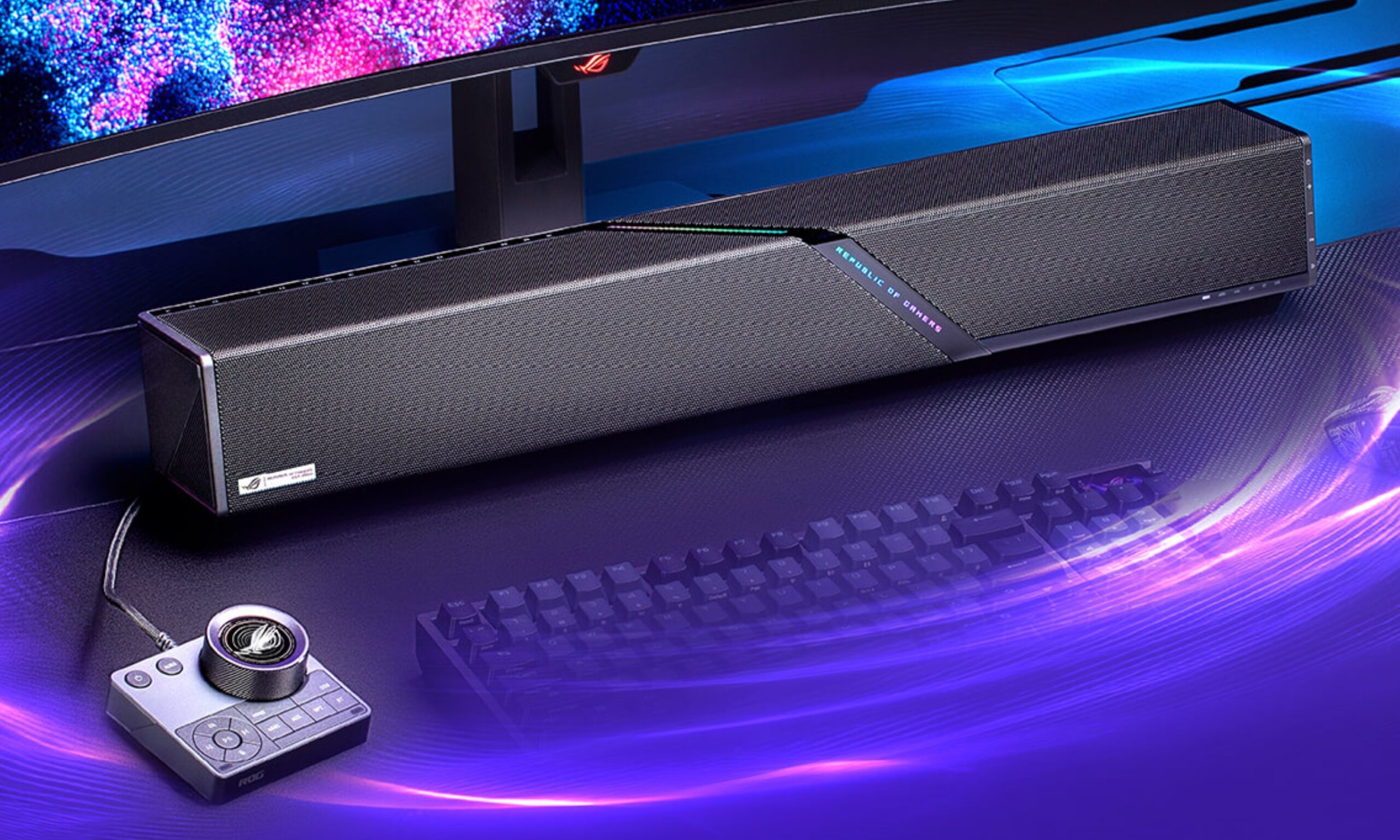
The ROG Gjallar packs Dolby Atmos in a compact form factor, but its US debut is still under wraps
Asus' new ROG Gjallar gaming soundbar brings Dolby Atmos and a wireless subwoofer to your desk.
Electronics, Speaker

Asus unveiled the ROG Gjallar back in early July 2026, as the first speaker system under the ROG brand. However, at the time, the company stayed quiet on pricing and availability. That's changed now. 

So what's actually inside the ROG Gjallar?

Read more