 In a post on his blog on Friday, prominent programmer Joe Hewitt announced that he has left Facebook and will now be working independently.
Hewitt, who joined the social networking behemoth in July 2007 when it bought Parakey, a start-up he operated with Blake Ross, is perhaps best known for creating the Firefox browser – also with Ross. In addition, Hewitt designed the popular web development tool FireBug.
At Facebook, Hewitt helped to develop the company’s iPhone app, though he left the project in 2009 after opposing Apple’s app store policy which states that all apps must be reviewed and approved by the company.
It seems like Hewitt had a good time at Facebook – in his post he writes that “normally when I leave a job I go out cursing the management and wishing I had left much sooner. In the case of Facebook, I sent heartfelt emails to all of my managers thanking them for the privilege of letting me work there, and I genuinely meant it.”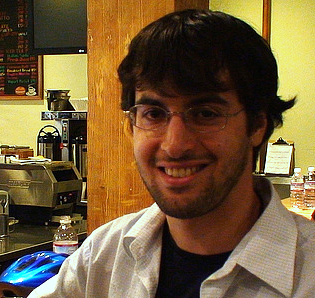
In the post he writes about how grateful he is for the freedom the job afforded him, and that although “some of my projects never made it out of the lab….others shipped and were huge successes.” Perhaps some of the ones left in the lab will yet come to fruition.
Regarding FireBug, Hewitt writes that though he finished it over five years ago, “I’ve continued thinking about it nearly every day since. It was probably the most gratifying project I’ve ever worked on. Knowing that I was helping developers solve hard problems, work more efficiently, and create awesome things gave me an energy and happiness that was unmatched.”
“My mind is still full of ideas for tools of all kinds: tools for writers, designers, programmers, whatever,” he writes, in a clear indication that this will most definitely not be the last time we hear from the software engineer. He continues: “Wherever people are using computers to turn their ideas into reality, I want to help.”
Hewitt finishes his post by stating his intention to get to grips with “understanding the needs of modern developers and designers, and creating software to fill those needs. There are so many opportunities that I can’t even predict what I will end up building, but I am pretty sure I know where I am going to start. I can’t wait.”