  1. Home
  2. Computing
  3. Mobile
  4. Legacy Archives

Intel’s acquisition of McAfee approved by FTC

Add as a preferred source on Google
Image used with permission by copyright holder

Chipmaker Intel’s acquisition of security and antivirus software developer McAfee has been approved by the U.S. Federal Trade Commision, according to a notice posted on Intel’s Web site. The approval clears the way for Intel to begin integrating McAfee products and services into its product lines, although the company is still working with the European Commission for approval on the deal.

Intel announced last August that it intended to acquire McAfee in a deal valued at $7.68 billion. The acquisition is not only the biggest in Intel’s history, it signals a shift in the company’s business strategy: where Intel has historically focused on developing and manufacturing hardware—processors and chipsets—the McAfee acquisition shifts the company strongly towards software and services. Although Intel hasn’t been specific about its plans for McAfee technology, it’s a good bet the company will be looking at hardware-enhanced security capabilities for its CPUs and chipsets, particularly as the company shifts its attention to mobile devices.

Recommended Videos

Although industry watchers didn’t expect Intel to have much difficulty getting the deal approved by the FTC—and few see significant obstacles with the European Commission—some have speculated that, as a result of the merger, McAfee products may have insider access to the design, features, and capabilities of Intel hardware products, giving them an edge on competing products.

Last year, the European Union fined Intel over $1.4 billion for violating antitrust regulations via kickbacks and squeezing out other CPU vendors from the market. Intel was able to settle a similar antitrust case with the FTC without fines shortly before announcing the McAfee acquisition.

Geoff Duncan
Former Contributor
Geoff Duncan writes, programs, edits, plays music, and delights in making software misbehave. He's probably the only member…
I found a free Mac diagnostic app that tells you what Apple’s tools don’t
It can check your Mac’s storage, memory, battery, and network
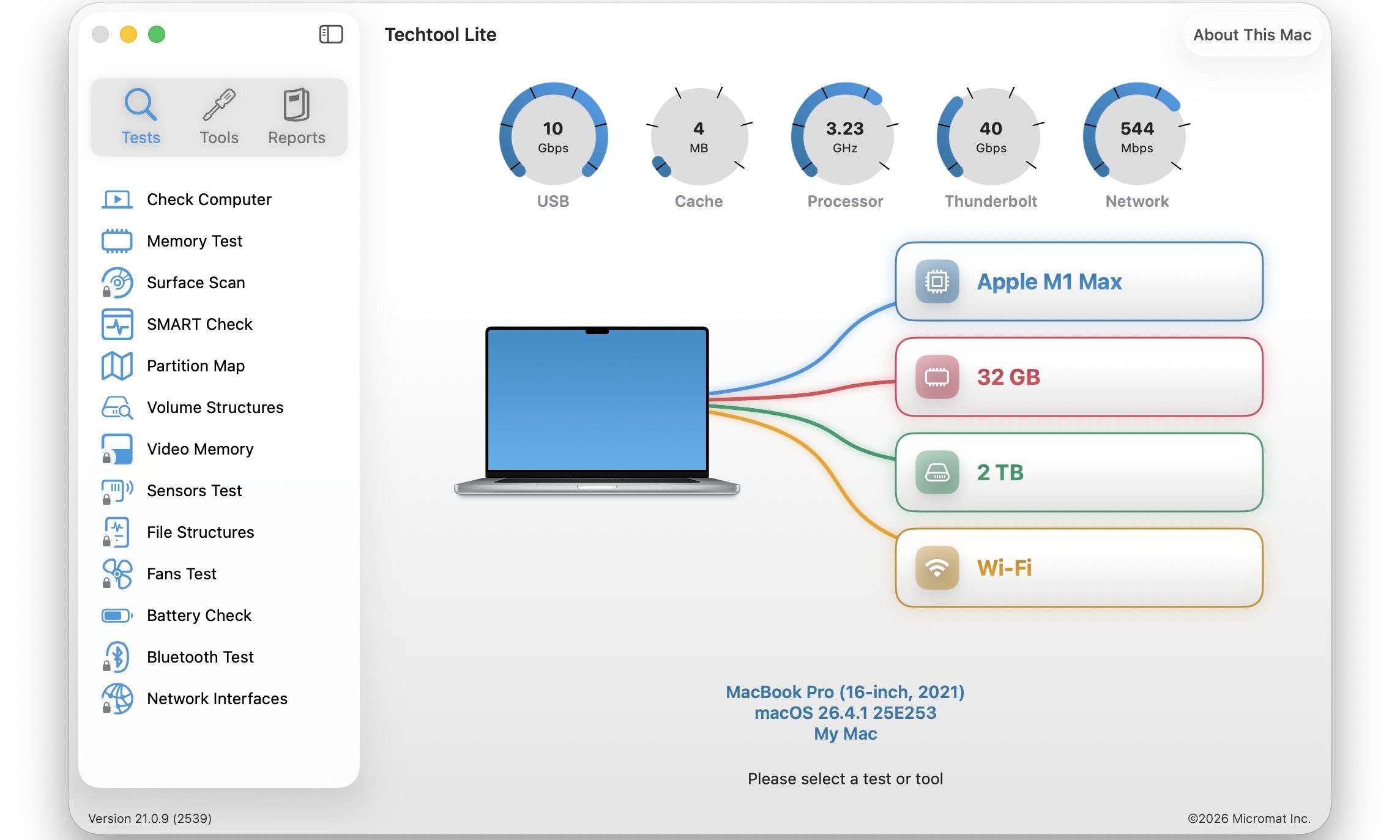
Techtool Lite UI screenshot

Macs have a strong reputation for being smooth and reliable, and Apple’s tight control over hardware and software is a big reason for that. Use one long enough, however, and you may still run into slowdowns, freezes, strange behavior, or that familiar feeling that something is simply off.

Apple’s own tools can help, but only to a point. Disk Utility is useful for storage-related checks, but it does not give you a wider picture of your Mac’s overall health. I recently came across Techtool Lite, a free diagnostic and maintenance app from Micromat that looks at more than just your drive.

Read more
Claude redefined my bond with Macs. I am building my own apps and it’s a bliss.
I talk to Claude. It builds me apps. It's as simple as that!
Claude AI on Mac.

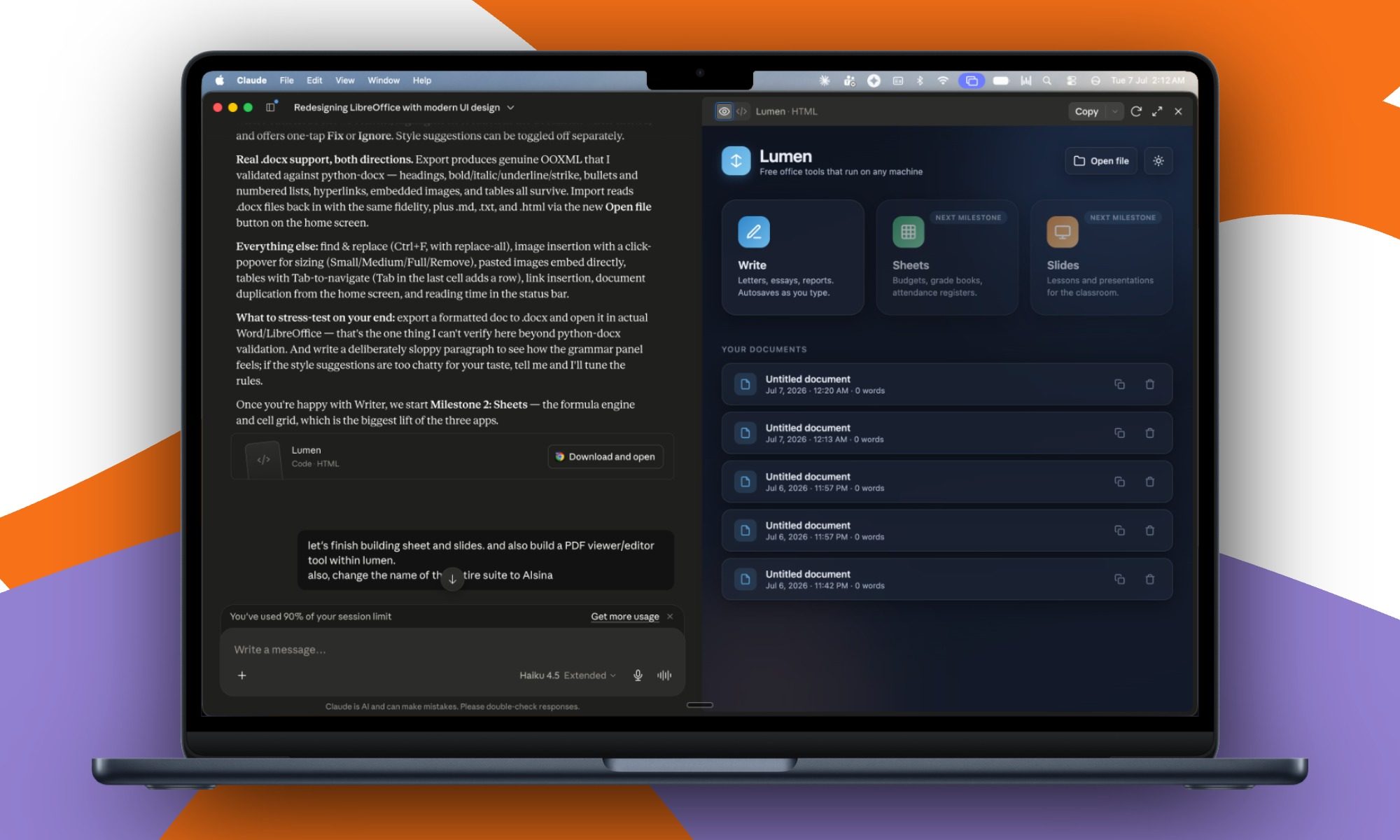
A few days ago, one of my colleagues asked me a favor. They wanted a few iOS and macOS screenshots turned into a mockup image where the UI is rendered on an iPhone and a MacBook. The problem? It was 3 am PST, which meant asking one of my design team colleagues was out of the question. 

Now, there are plenty of online tools that will do it, but you either have to pay for a subscription (as in Canva), or sign up to buy usage credits after a few free trials. Moreover, these editors limit you to a handful of design presets. I turned to Anthropic’s Claude, and within half an hour, I had a screenshot-to-mockup editor built for the entire team to use. Take a look:

Read more
ASUS Zenbook Duo UX8407AA review: Two screens finally earned their place in my bag
Two machines are definitely better than one, but on the same laptop? Asus nailed it, but you must be willing to pay for the convenience.
ASUS Zenbook Duo has two displays

See at Amazon

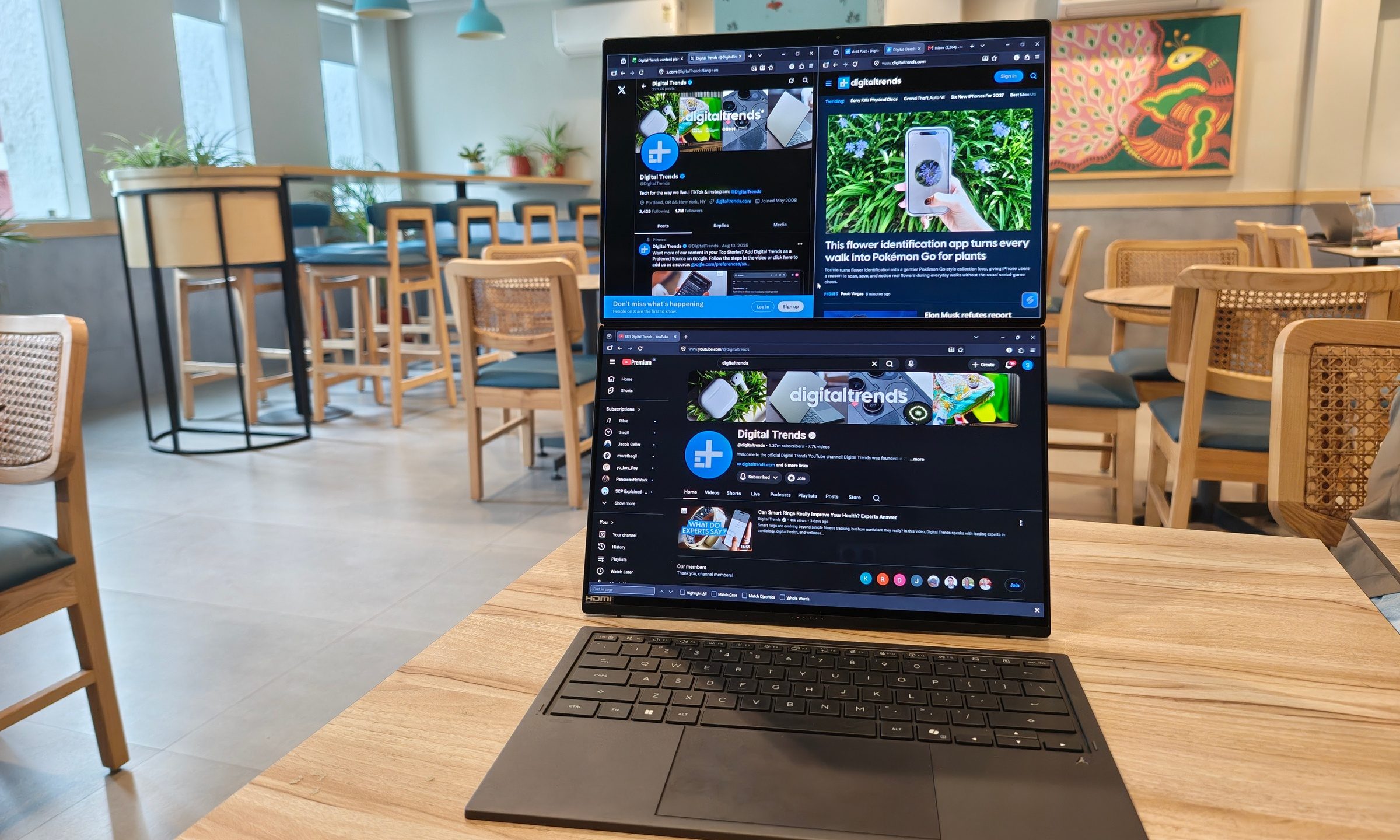
Two displays on a laptop once sounded like an elaborate solution waiting for the right problem. ASUS has spent the past few generations steadily proving otherwise. After using the latest Zenbook Duo (2026) UX8407AA for over two weeks, I started arranging my daily routine around that second display. 

Read more