1. Home
  2. Emerging Tech
  3. Business
  4. Mobile
  5. News

uBeam wants to make wireless charging as easy as connecting to Wi-Fi

Add as a preferred source on Google

Many of us can’t possibly imagine life without our smartphones, but they aren’t without their problems. Although the phones are continuing to get more powerful, battery life isn’t keeping up.  But what if you could charge them almost anywhere and it was as simple as connecting to Wi-Fi?

That’s exactly what wireless charging startup uBeam is aiming for. Last year we reported that uBeam had produced a fully functional prototype of its ultrasonic wireless charging platform. Now the company has refined its early prototypes into something more consumer-friendly, and venture capitalists are all over it.

Recommended Videos

After receiving $3.2 million in seed funding followed by a $10 million investment from Upfront Ventures last year, uBeam is looking at raising $50 million or more, according to TechCrunch. Part of this is related to developing the technology itself, but that isn’t all that uBeam has up its sleeve.

Instead of simply selling its wireless charging case and charging stations directly to consumers, uBeam is looking at partnering with retail locations, fast food chains, airlines, and others to provide wireless charging much in the same way that those locations currently offer Wi-Fi.

StarBucks is said to be especially close to signing a deal with uBeam, but Starwood hotels and Virgin are also mentioned. In addition to these retailers, uBeam is said to be talking with hardware manufacturers like Apple and Samsung. Whether this is about providing built-in wireless charging or simply partnering to sell wireless charging cases as accessories is unknown, but it’s hard not to get excited about the possibilities.

Unlike current wireless charging systems, which require the device being charged to remain stationary on a mat, uBeam’s ultrasonic transduction works at a range of around 15 feet, and there is no need for the devices to sit still. They can be operated even as they continue to charge.

There are still many problems to be solved before this technology becomes fit for daily use, but at least we are now at the beginning. And it might be the beginning of the end as well, at least as far as power cords are concerned.

Kris Wouk
Former Contributor
Kris Wouk is a tech writer, gadget reviewer, blogger, and whatever it's called when someone makes videos for the web. In his…
Claude can now join your Slack channels and work alongside your team
Laptop running Claude Fable

For years, AI assistants have been siloed. You open ChatGPT, Claude, Gemini, or Copilot, type a prompt, get an answer, and move on. Anthropic's new Claude Tag feature takes a different approach. Instead of making employees jump into a separate AI chat every time they need help, it brings Claude directly to where many teams already spend their day: Slack.

Add Claude to a channel, grant it access to needed tools, and tag @Claude for help — whether analyzing data, writing reports, reviewing code, or investigating incidents. But Claude Tag isn't just another chatbot integration. Its key differentiator is that Anthropic positions it as a digital coworker for your team, enabling seamless collaboration where multiple users can jointly interact with the same AI within their work environment.

Read more
Getty Images accused AI of wholesale theft. It’s now an official ChatGPT image partner.
Advertisement, Shop, Clothing

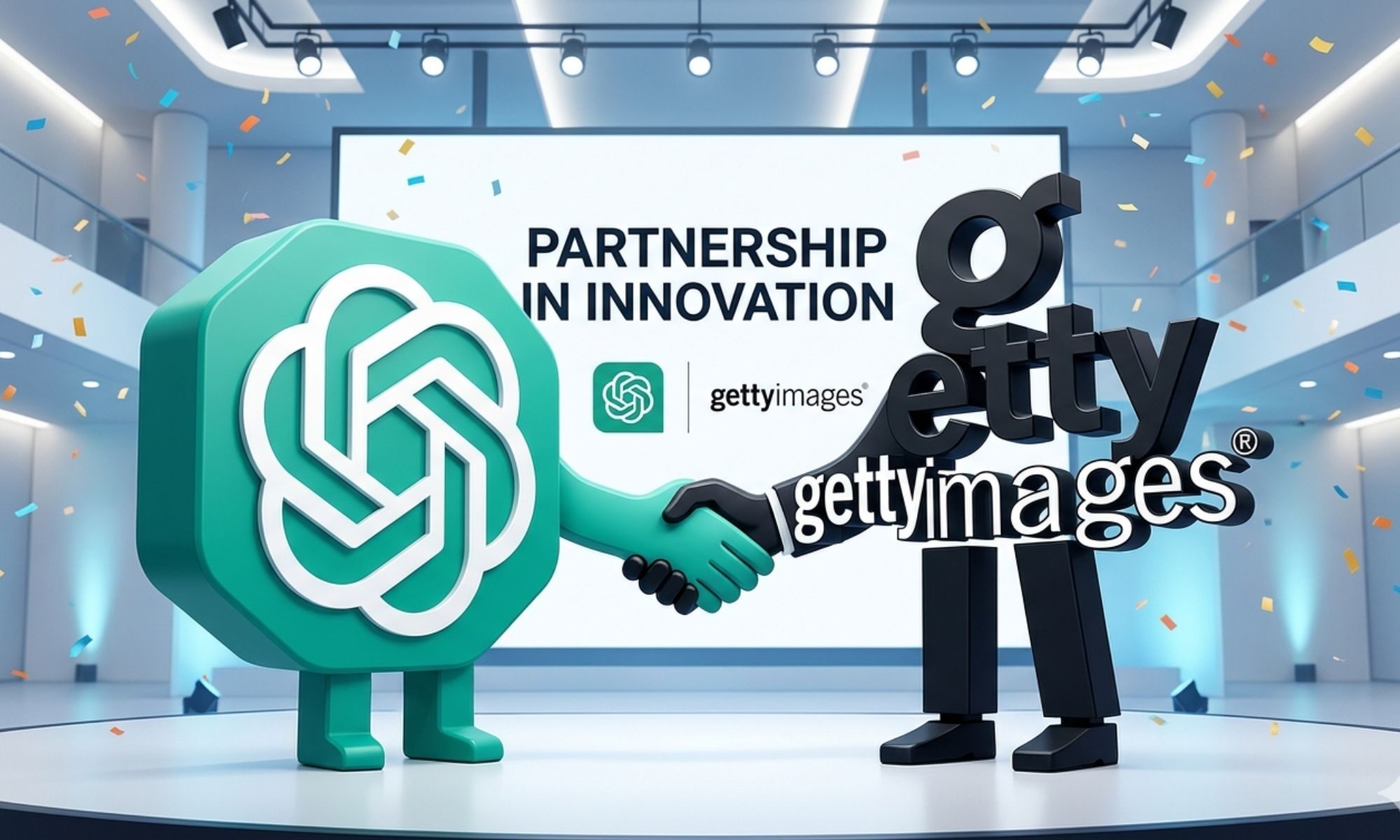
The AI industry's most fascinating stories often come from unlikely alliances, and this is certainly one of them. Getty Images, a company that has spent years raising concerns about how AI models are trained and how creative work is used, is now officially partnering with OpenAI.

The new agreement will allow Getty Images' licensed content to appear across ChatGPT's search and discovery experiences. That means users may begin seeing Getty's professionally licensed photos and visual assets integrated into ChatGPT responses, adding more visual context to searches and AI-generated answers. Getty says the goal is to make AI-powered search more useful and trustworthy by relying on high-quality, licensed content rather than the murky sourcing practices that have sparked countless debates across the AI industry.

Read more
Timekettle’s new X1 Meeting Hub does real-time translation for 50 people and fits in your pocket
Fifty participants, five languages, one 199-gram hub, and no booth required.
Electronics, Screen, Computer Hardware

Professional conference interpretation setups are notoriously painful. Dedicated booths, trained interpreters, bulky hardware, and a bill at the end of every month that makes you rethink whether the meeting was even required in the first place. 

Timekettle wants to collapse all of that into a single hub that weighs 199 grams (less than modern flagship smartphones). The company just launched the X1 Meeting Interpreter Hub. 

Read more