  1. Home
  2. Phones
  3. Android
  4. Mobile
  5. News

Google Clock is getting music streaming support — here’s how to enable it

Add as a preferred source on Google
Google Clock
Image used with permission by copyright holder

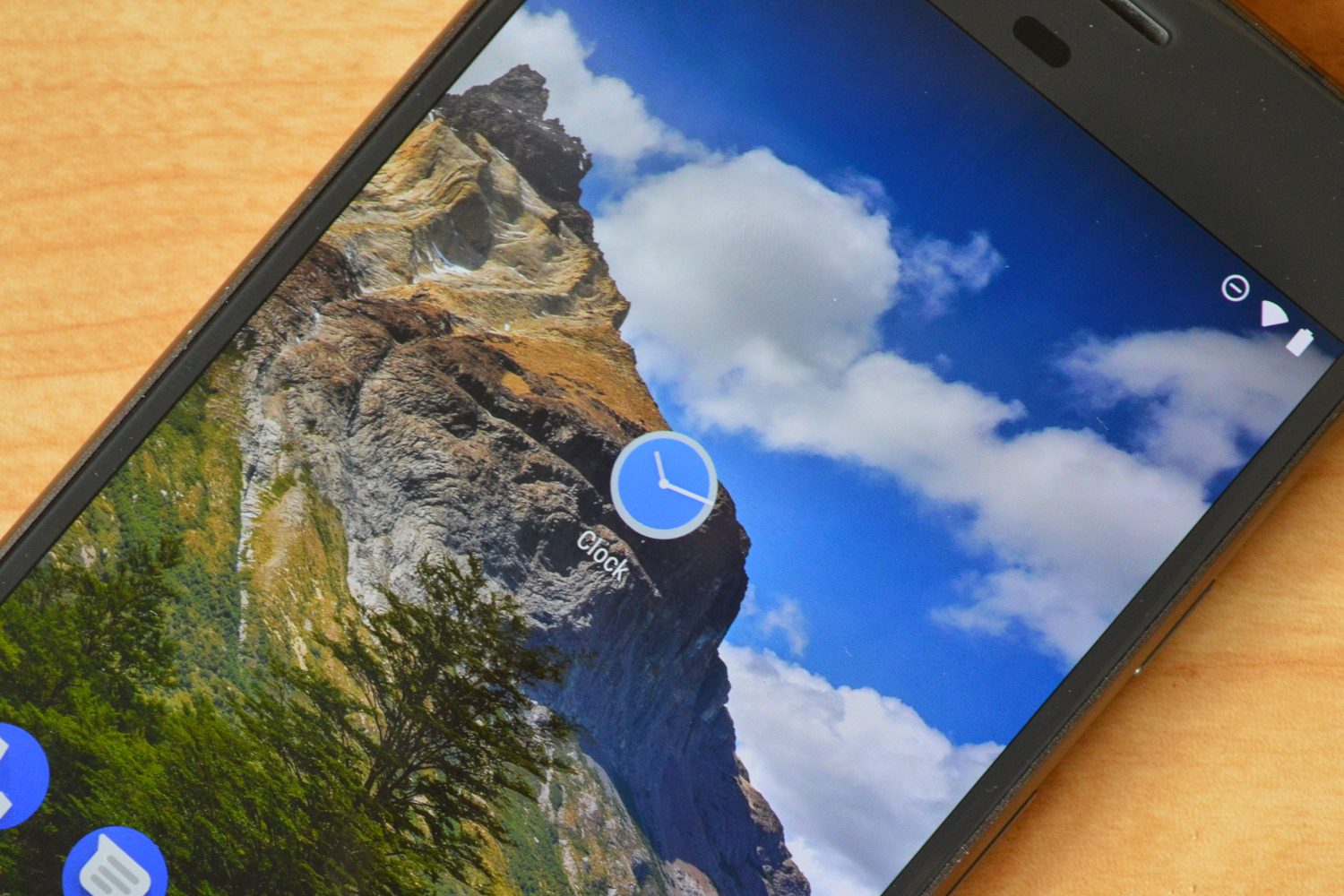
Waking up can be a real pain in the butt, however, Google is making it a little easier with the Google Clock app. Now, the Clock app supports Spotify, meaning you can wake up to your favorite tunes.

An update to the Clock app is rolling out this week and essentially adds a Spotify tab to the alarm sound options in the Clock app. Unsurprisingly, Spotify won’t be the only music streaming service to support the new feature — while it is strange YouTube Music integration isn’t there by default, Google has promised in some reports that it will be coming soon.

Recommended Videos

Interested in choosing a song from your music library for use with the Google Clock app? Follow the steps below to enable the feature.

  1. Make sure you have Spotify on your Android phone running Android 5.0 Lollipop or later. Also, check to make sure you have the latest version of the Clock app.
  2. Under your alarm, press the ringer button to choose a sound.
  3. Tap on the Spotify tab.
  4. Choose a song from your Spotify library. The first time, you may need to log in to your Spotify account in the Clock app.

Thankfully, the new feature is available to both Free an Premium Spotify subscribers, so if you don’t want to you won’t have to shell out any cash to choose your wake-up music. The app will also give users the option to keep listening to their music after turning off the alarm.

It’s certainly a welcome new feature. Other alarm apps, and the Clock app on Apple’s iPhone, have allowed users to choose their favorite music to wake up to for some time now. Google is a little late to the game in that respect — though it’s always better late than never.

If you don’t see the new feature yet, don’t worry — it’s rolling out globally this week, so it may take a few days to get to you. Eventually, it will be available to all Android devices running Android 5.0 Lollipop or later, so as long as you have a relatively recent phone, you should be able to make use of the new feature.

Christian de Looper
Christian de Looper is a long-time freelance writer who has covered every facet of the consumer tech and electric vehicle…
TSMC might set up a price hike that could come straight for your next phone, laptop, or tablet
Here's what TSMC's rumored 10% chip price increase actually means in dollar terms, and why your next phone or laptop could end up costing more.
TSMC Fab

My wallet flinched the second I saw the words "TSMC" and "price increase" in the same headline, and honestly, yours should too.

Turns out the company behind the silicon powering basically every flagship device out there, including Apple’s A-series and Qualcomm’s Snapdragon processors, is reportedly about to make all of it a little pricier.

Read more
Samsung’s free storage doubling for preorders is gone in Austria, and the replacement isn’t as sweet
Samsung's free storage doubling deal might just be history.
The back of the Galaxy Z Fold 7

If you've pre-ordered a Samsung foldable purely for the free storage bump, tomorrow's Unpacked event might sting a little.

For years, pre-ordering a new Galaxy meant automatically getting double the storage at no additional charge. Buy the 128GB model, walk away with 256GB for the same price. The same applied to the 256GB and 512GB models. However, that might change at the upcoming Galaxy Unpacked event. 

Read more
Apple fixes Hide My Email bug that exposed users’ real email addresses
Here's how Apple's Hide My Email flaw leaked real addresses for over a year, and why it only got fixed once the story went public.
apple-merging-sign-in-with-apple-hide-my-email-icloud+

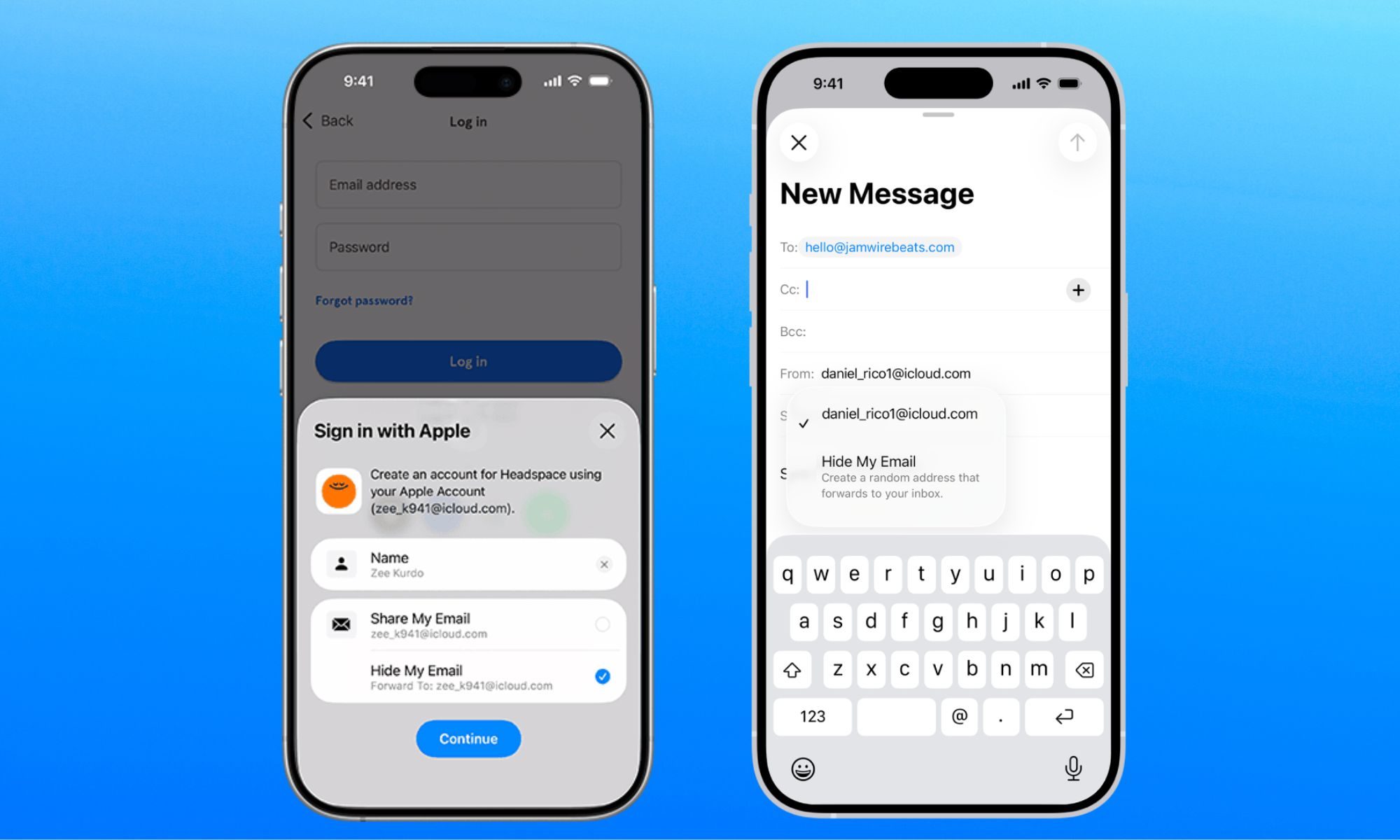
Turns out the "Hide" part of Hide My Email wasn't doing its job quite as advertised, something that I covered early in July. Security researcher Tyler Murphy reported the flaw in June 2025, but despite Apple claiming it was resolved in March 2026, independent tests confirmed it remained exploitable, at least until July 3, 2026.

So how did this bug actually work?

Read more