1. Home
  2. Space
  3. Photography
  4. News

6 awesome Earth images captured from the ISS in July

Add as a preferred source on Google

The International Space Station has been orbiting 260 miles above Earth for the last two decades.

While its primary function is as a space-based laboratory for performing science experiments in microgravity conditions, the orbital outpost also allows astronauts to conduct Earth observation studies as well as the chance to capture gorgeous images of our amazing planet.

Recommended Videos

Here we share a selection of the most striking images taken during July, all of them taken with a Nikon D5 DSLR camera and a range of lenses.

First up is this stunning view of sunlight bouncing off the Coral Sea northeast of Australia, while in the foreground we can see a pair of the space station’s main solar arrays.
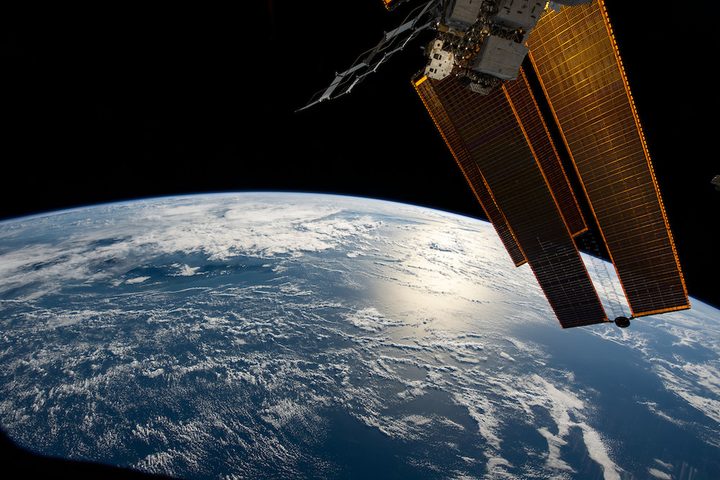
Earth as seen from the space station.
NASA

Next is an image showing the Nile River winding toward the Mediterranean Sea, captured as the ISS passed over Sudan in northeast Africa.
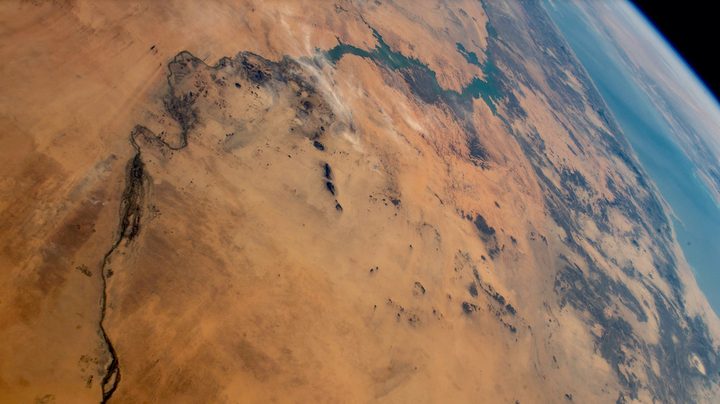
The Nile River as seen from the space station.
NASA

While passing over the Gulf of Mexico, an astronaut captured this cool image of New Orleans and its surrounding suburbs, including Gretna, Metarie, and Kenner. The Mississippi River is clearly visible while the edge of Lake Ponchartrain can be seen at the top of the image.

New Orleans as seen from the space station.
NASA

This incredible capture shows an orbital sunrise, taken from the station as it passed over Texas. The station’s high speed of travel means that astronauts on board the satellite experience around 16 such events in the course of 24 hours.
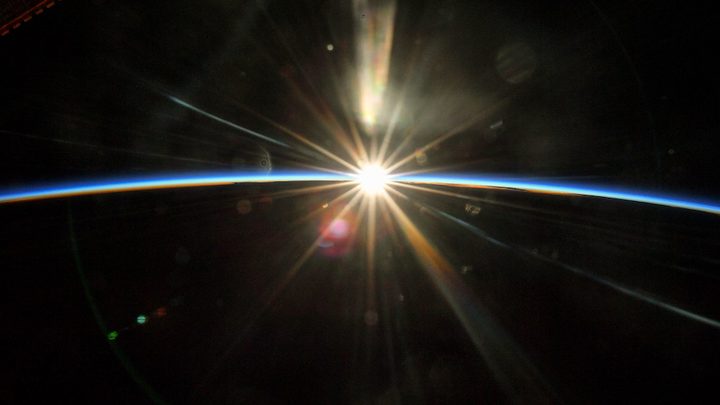
An orbital sunrise as seen from the space station.
NASA

Taken as the ISS passed over the African nation of Namibia, this fabulous image shows the vast Namib Desert on the country’s Atlantic coast.
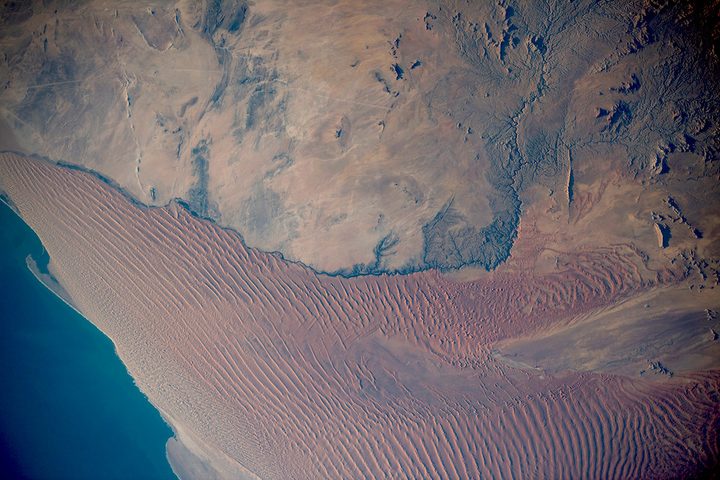
The Namib Desert as seen from the space station.
NASA

The sixth and final image in the set features a striking patchwork of agricultural activity in the west of the Brazilian state of Bahia, which NASA notes is part of the Cerrado, a huge tropical savanna in the South American nation.
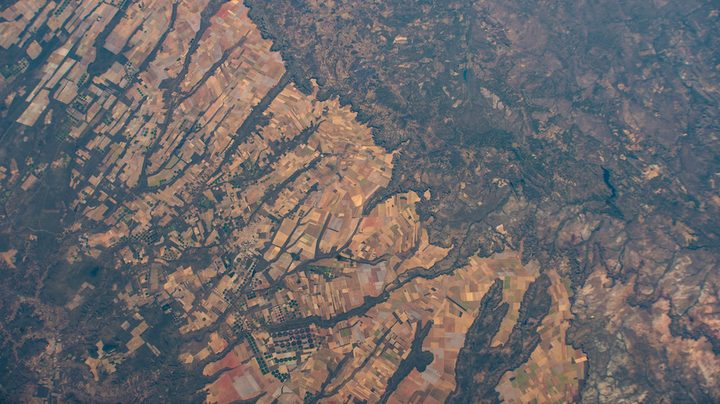
Farming activity in Brazil as seen from the space station.
NASA

Want to learn more about life on the space station? These fascinating videos lift the lid on how visiting astronauts pass the time aboard the orbital facility.

Trevor Mogg
Contributing Editor
Not so many moons ago, Trevor moved from one tea-loving island nation that drives on the left (Britain) to another (Japan)…
SpaceX Starship reaches orbit for the first time but its historic flight ends early
Starship reaches orbit for the first time and deploys 26 Starlink satellites before an early splashdown.
spacex-starship

After 13 suborbital test flights and more than $15 billion in development costs, SpaceX's Starship has finally reached orbit. The 407-foot megarocket, the most powerful ever built, lifted off from Starbase, Texas, on Monday and delivered its first real payload on it's 14th attempt. The celebration came with an asterisk, though, since SpaceX had to cut the planned 10-hour mission to roughly three hours.

https://twitter.com/SpaceX/status/2104601695711904180

Read more
Starship is finally going orbital, and SpaceX has picked September 22
Flight 14 is aiming for orbit, Starlink V3 deployment and a very long day in space.
Starship rocket.

SpaceX is finally ready to give Starship its biggest test yet. The company says the massive rocket's 14th test flight is scheduled for September 22, when it will attempt to put the upper stage into Earth orbit for the first time. The launch is currently pending regulatory approval, with a 75-minute window opening at 7:15 a.m. CT.

Starship has 26 Starlink satellites to deliver

Read more
Want a city on the Moon? Scientists say there’s not enough water
A billion tons still comes up short
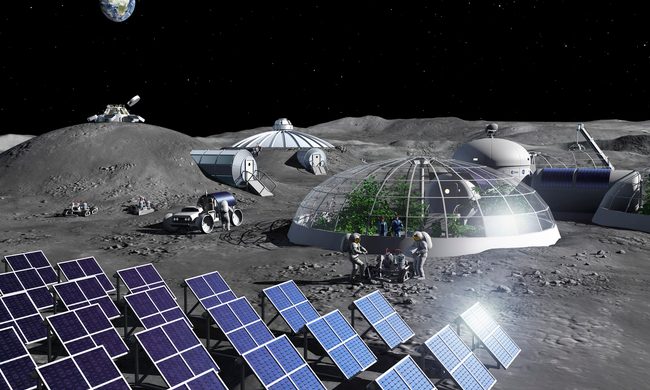
Artist impression of activities in a Moon Base.

For decades, humanity has looked up at the Moon and wondered what it would be like to live on it. Think sprawling cities, factories, research centers, and permanent human settlements. Unfortunately, there is one fairly fundamental problem with that vision.

A new study published in Frontiers in Space Technologies argues that even the Moon's potentially enormous reserves of frozen water may be nowhere near enough to support city-sized populations sustainably. Researchers Martin Elvis and Jonathan McDowell estimate that the permanently shadowed regions near the lunar poles could contain roughly one billion tons of water. It sounds like an extraordinary amount until you put a million thirsty humans next to it.

Read more