“Don’t buy this #USB #TypeC adapter for your Chromebook Pixel or Nexus 6P/5X phone. It uses the wrong identifier resistor,” Leung wrote in a Google+ post. “OnePlus needs to get the message that their accessories are out of spec…”
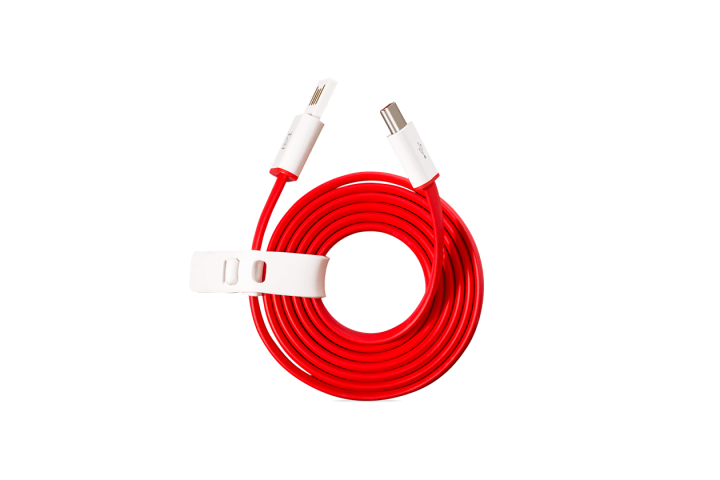
Leung is referring to the small USB Type-C adapter sold for $10 by OnePlus, which may be particularly for Nexus 5X owners, since the smartphone doesn’t come with an adapter. The Nexus 6P, however, does come with a USB Type-C to USB Standard-A plug cable.
In a comment on his post, Leung adds that currently no available USB Type-C adapters are compliant, but that several vendors have reached out to him to make the necessary fixes for cables and adapters. “Stay tuned. I will make a post when the first one is available.”
About a day after that posting, Leung called out OnePlus’ USB Type-C to Type-A cable, saying that it’s not spec compliant because it “uses a 3A identifier resistor instead of the ‘Default USB Power’ one,” which may damage chargers, hubs, or PC USB ports.
Leung notes that his warning is mostly for Nexus 5X, Nexus 6P, and Chromebook Pixel owners. OnePlus 2 owners are fine to use the company’s cable for now since the smartphone doesn’t support fast charging.
“However, it’s still not cool to keep that cable around because the next phone or tablet or laptop computer you buy might support 3A fast charging, and if you forget that cable is bad, you may damage a charger sometime in the future,” he wrote in a comment. “If you want to keep the cable, mark it with a tag so you don’t forget it’s special.”
Leung began writing Amazon reviews of USB Type-C cables because he had “gotten fed up with the early cables from third-party vendors that so blatantly flaunt the specification and I want to hold them to task.”
He refers consumers looking for USB Type-C cable recommendations to his Amazon reviews.
Editors' Recommendations
- USB-C charging laptops: Here’s what you need to know
- OnePlus’ first mechanical keyboard looks like the one to beat in 2023
- This 240W USB-C cable opens up new charging possibilities
- OnePlus 10 Pro could still run OxygenOS 12 outside of China
- OnePlus Nord CE 2 Lite 5G gets leaked ahead of launch