There’s been a lot of talk about the direction smart wearables will take. The consensus is wearables need to blend into our lives instead of standing out like a sore thumb – or a clunky watch with a split-second’s battery life and a thousand functions. The Calendar Watch by What? Watch Company takes a minimalist approach to smart gear by focusing on one thing: displaying your calendar. The public must approve, because the Calendar Watch Kickstarter campaign was just fully funded.
Calendar Watch focuses on doing one thing well, and helps its wearers do the same.
Calendar Watch is worth a nod for hiding smart tech in what seems at first glance like your grandfather’s watch — a classic, attractive timepiece. It has a traditional look that may appeal to people who are turned off by the modern one-dimensional touchscreens of most smartwatches.
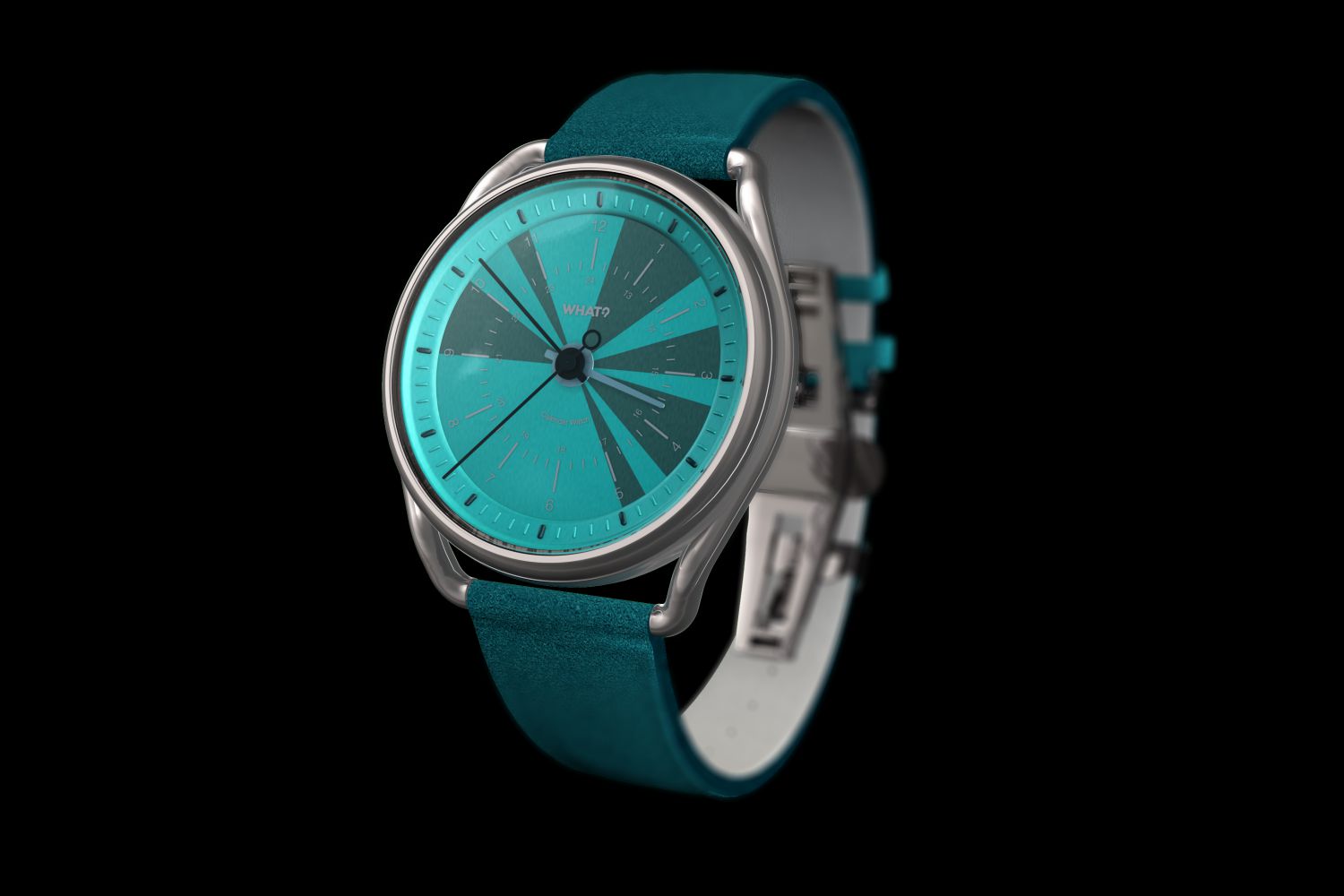
So far, the watch and app work with Calendar, Google, Outlook, Facebook events, Yahoo, and Yandex. The user’s calendar, synced through the Calendar Watch app, is displayed by alternate shading on the e-paper watch face under analog hands and numbers. An appointment from 2-3 for example, would turn that hour dark on the watch’s face.
There are two display modes for Calendar Watch: fixed and flexible. Fixed mode only updates the display every twelve hours, and you set the update hour in the app. This works well to track the average work day. Flexible mode updates segments every 15 minutes, so the next 12 hours are always displayed. A double tap on the watch displays the next 12-24 hours for five seconds in both modes. A triple tap syncs the time and schedule with your phone. Calendar Watch confirms with vibrations, and an animation for the forced-sync. It will also vibrate for notification alarms set within the app.
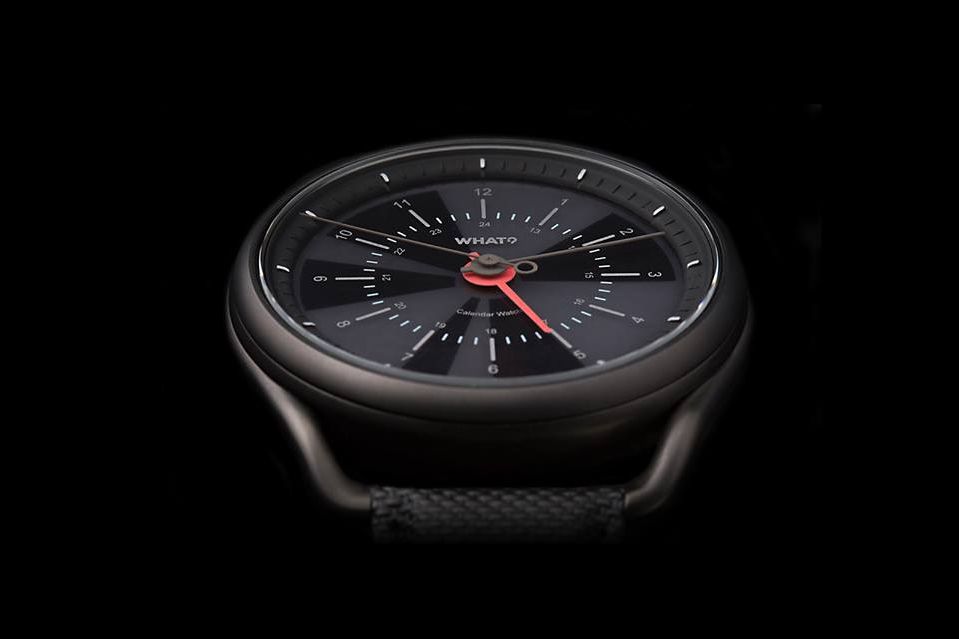
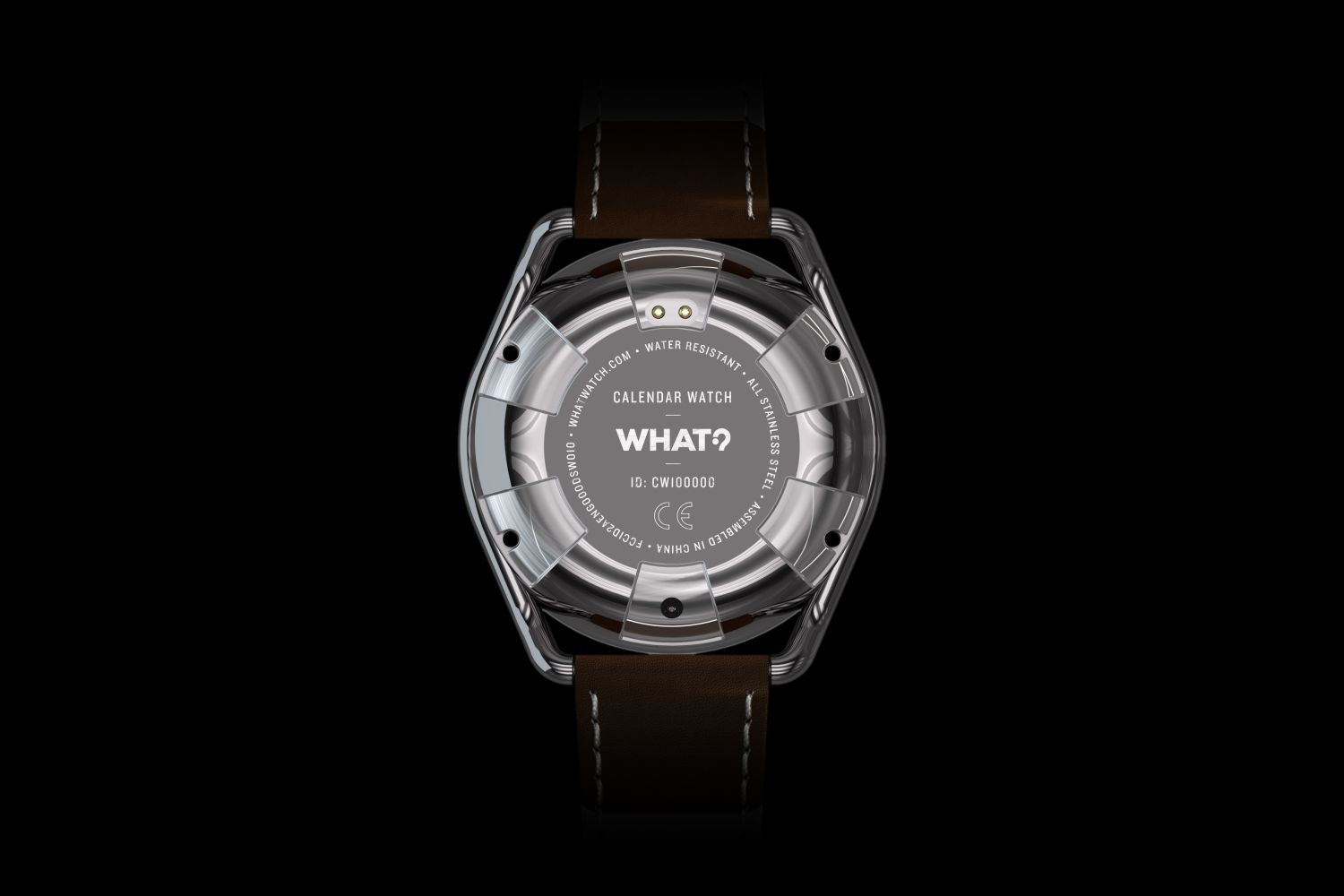
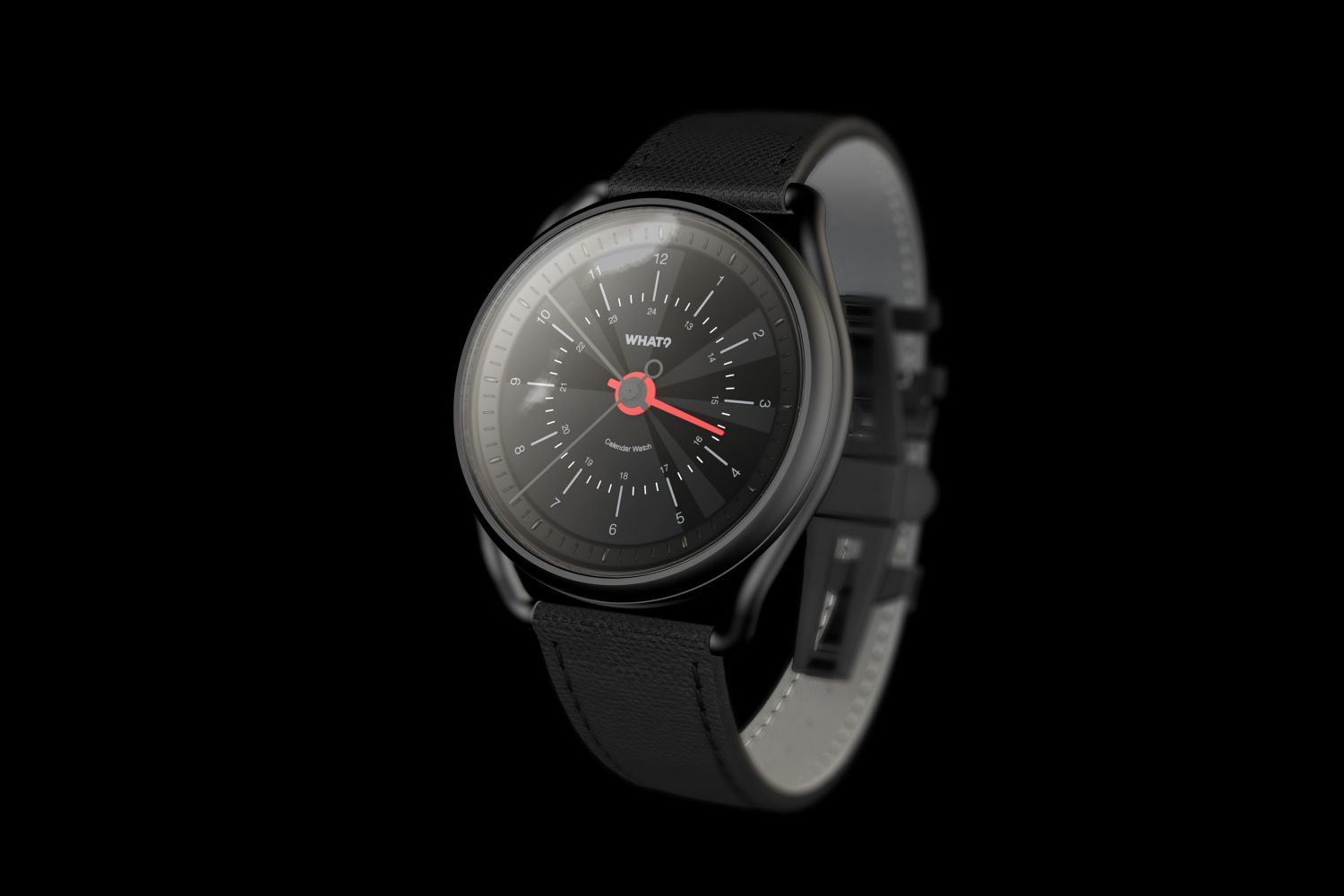
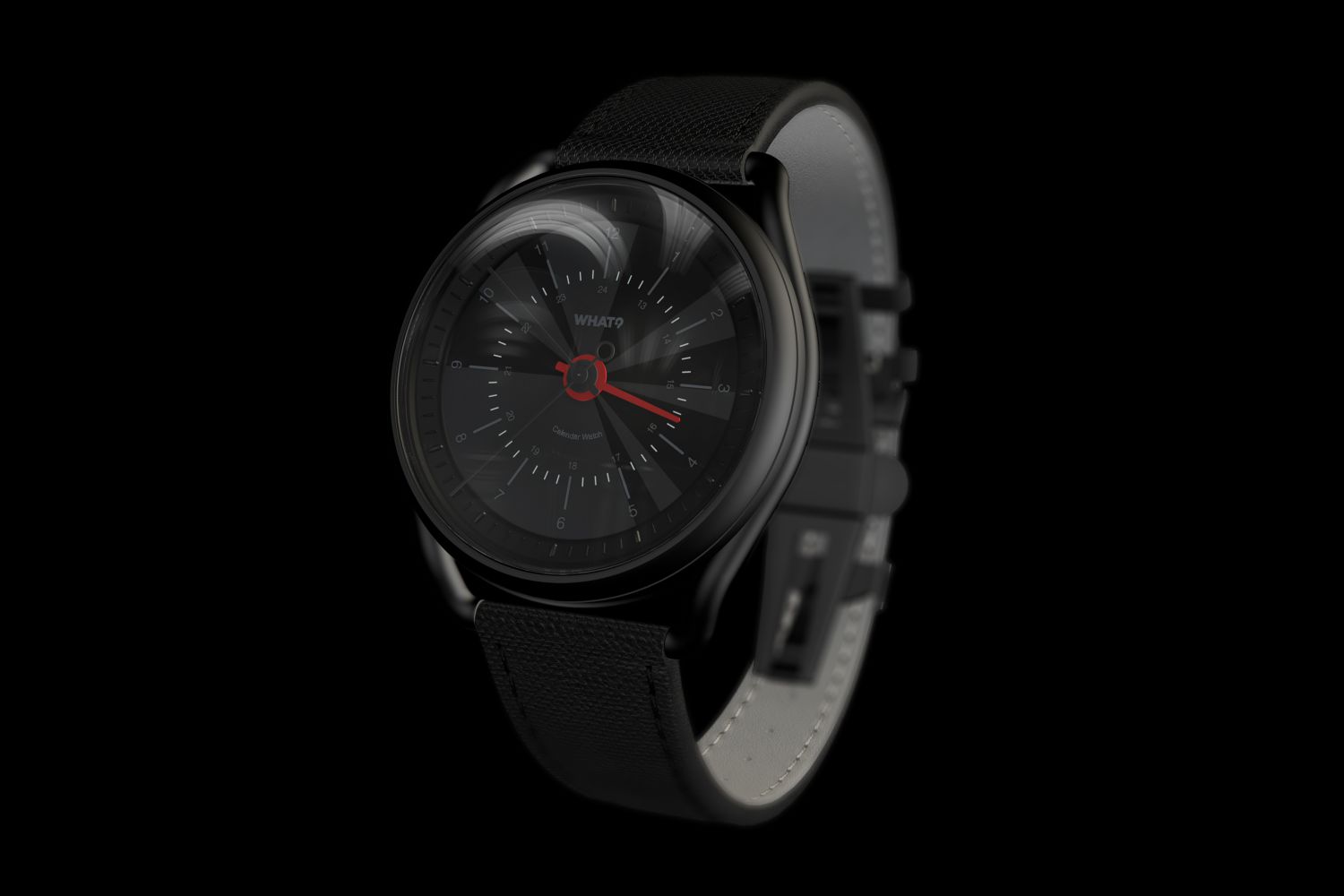
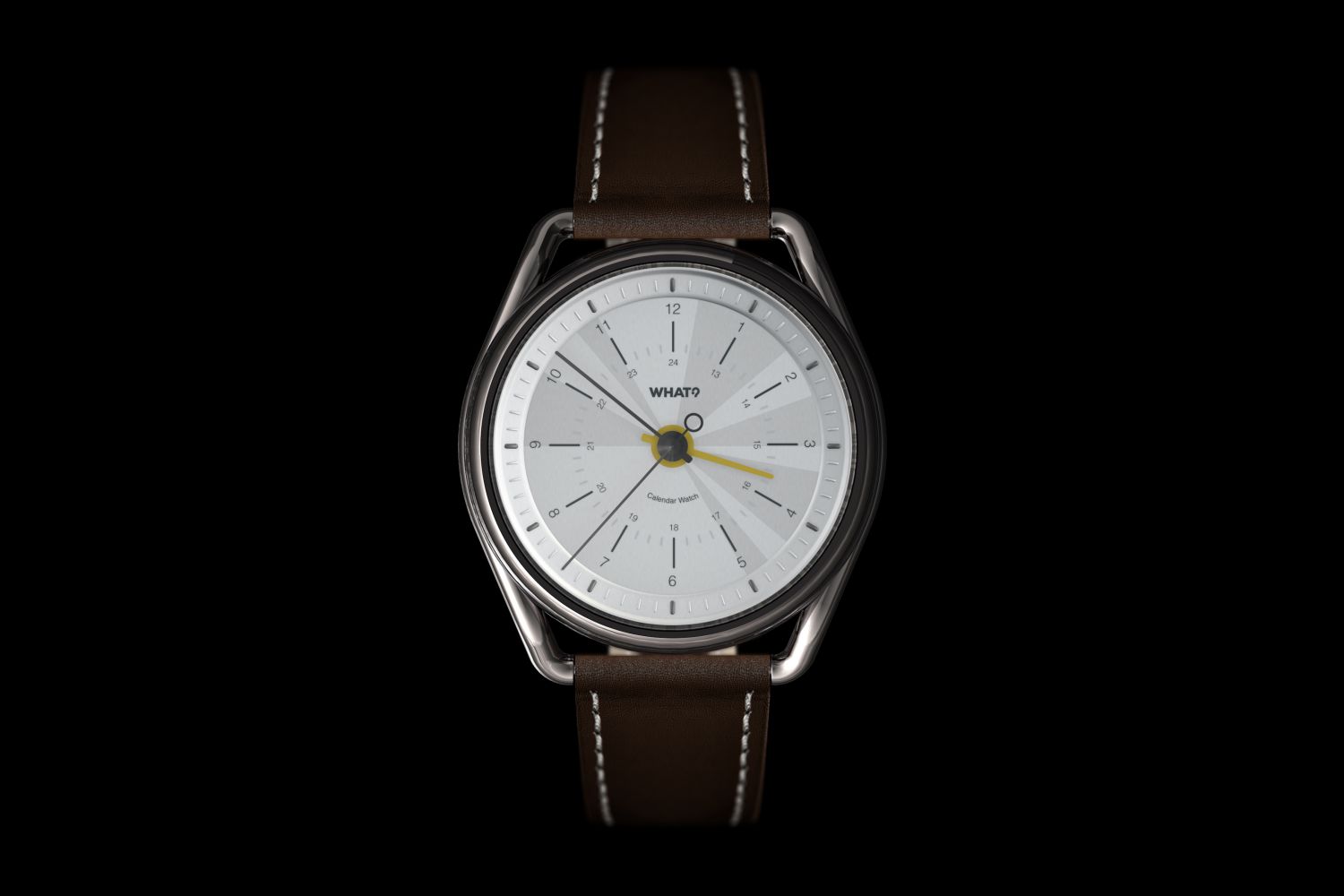
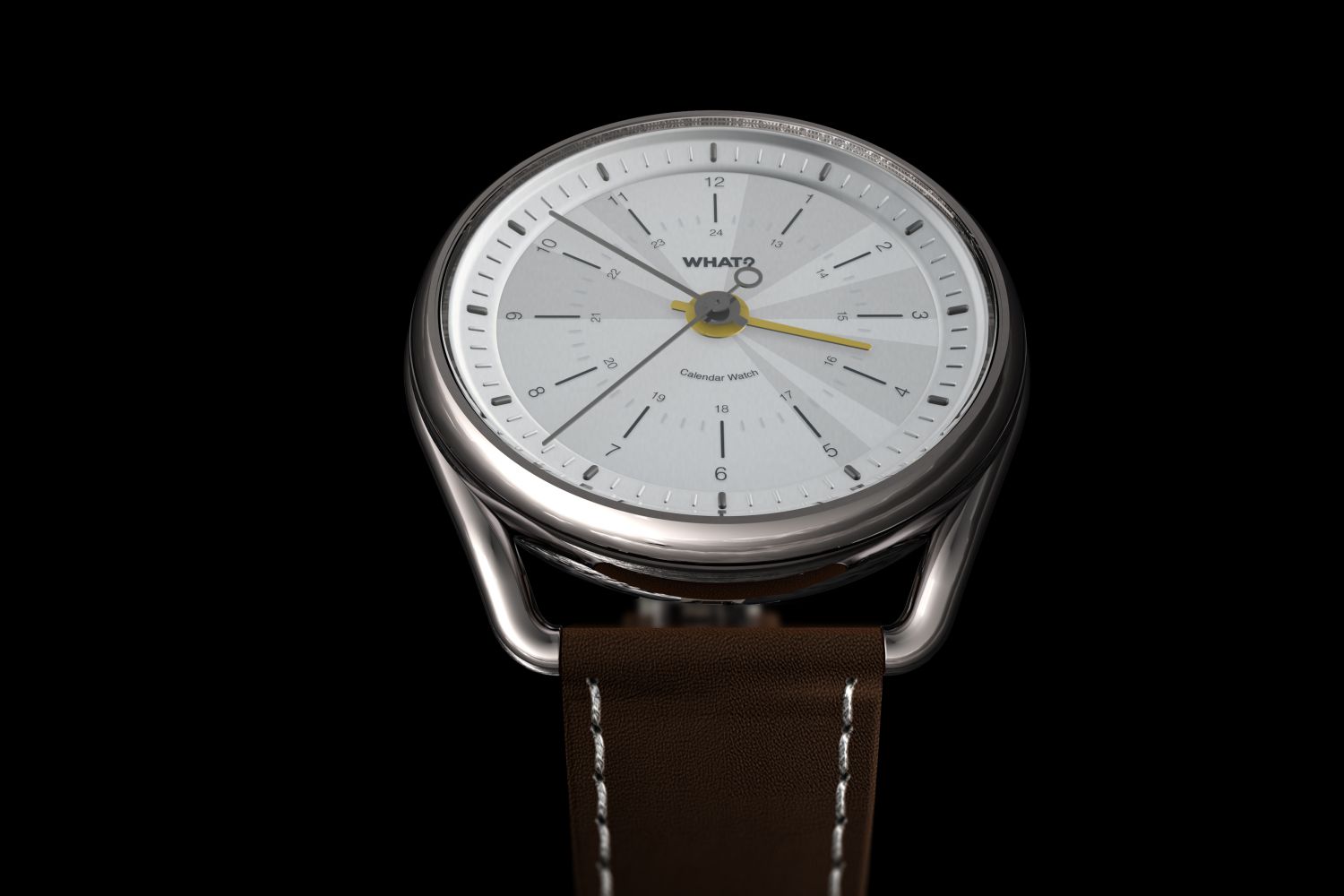
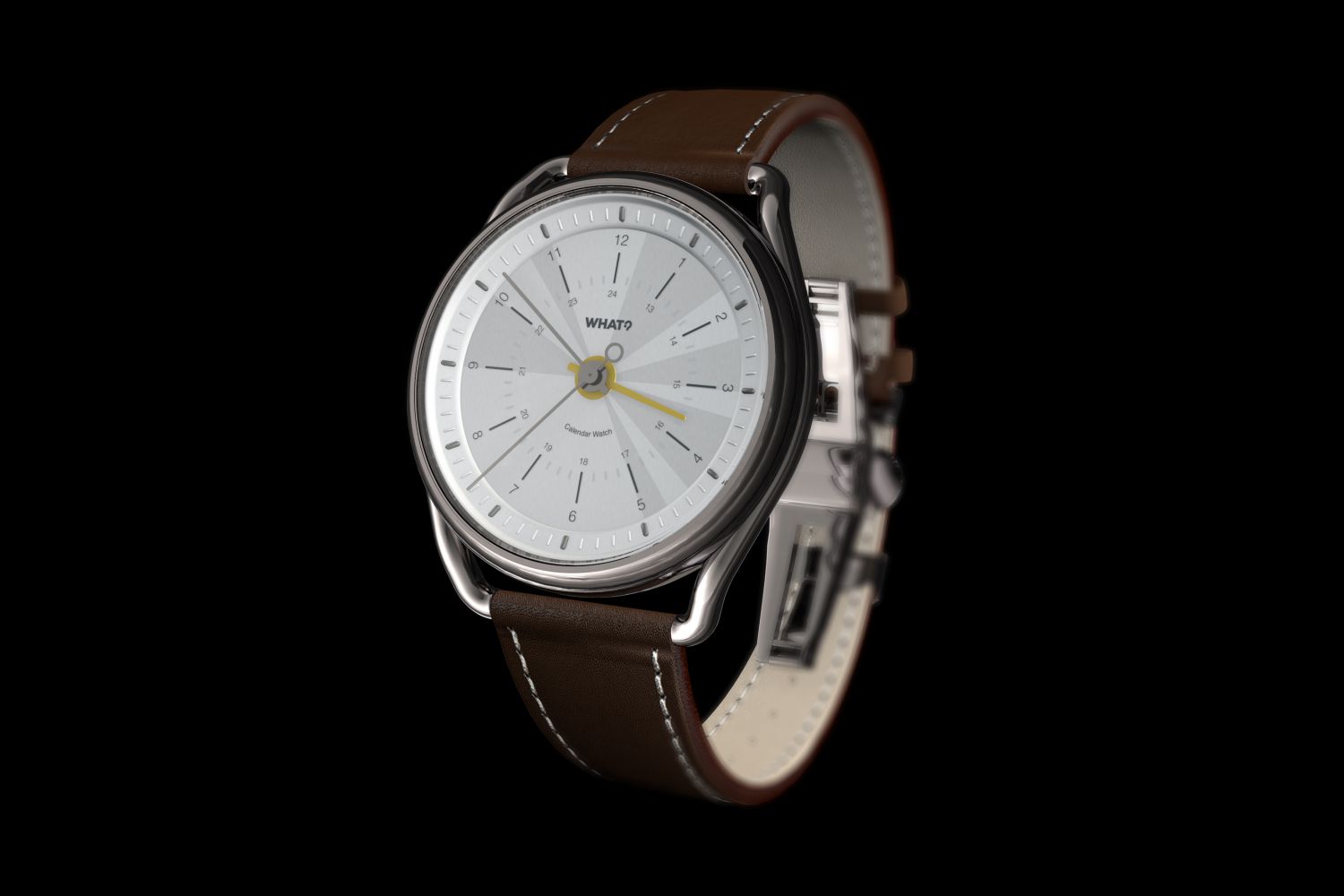
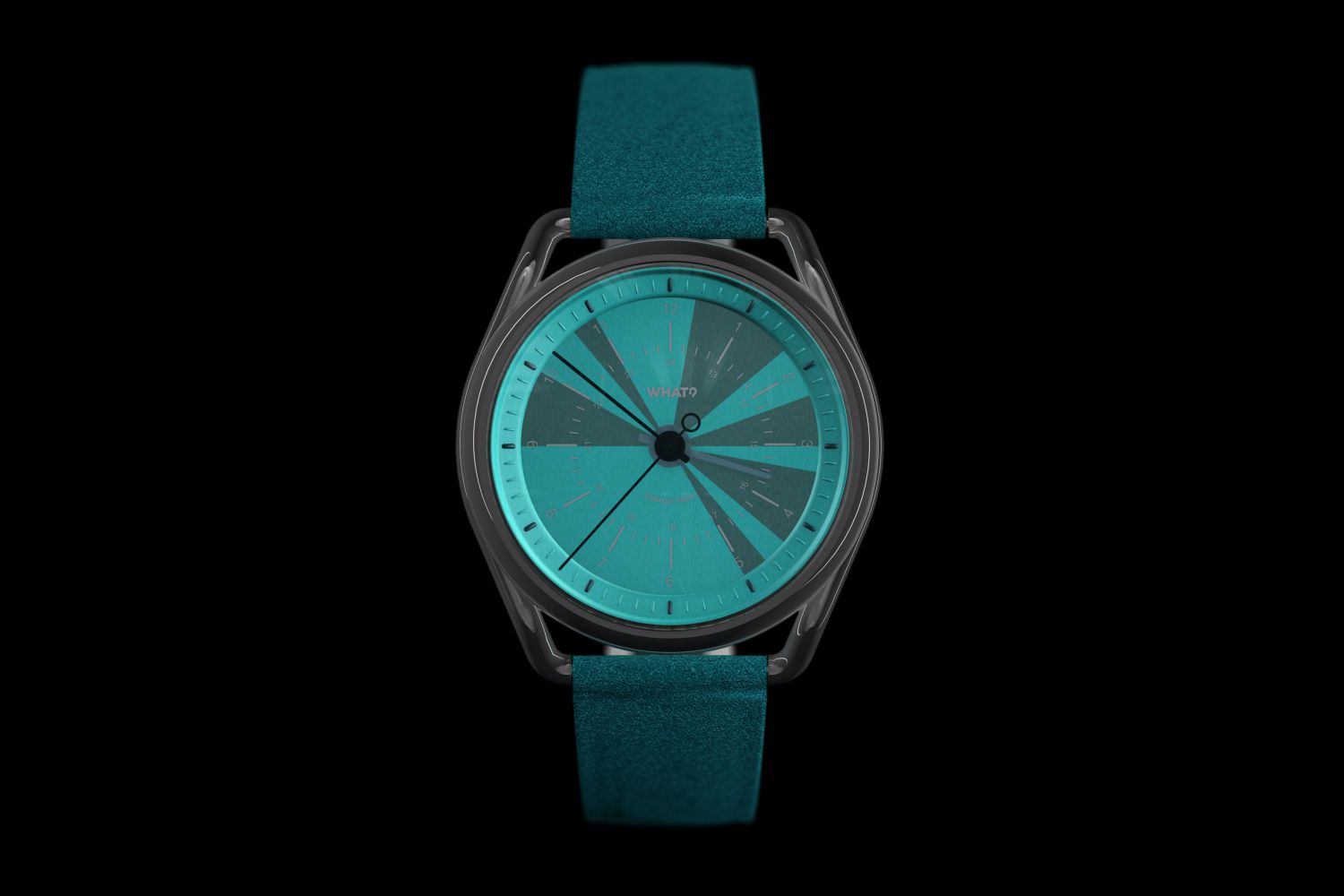
Besides allowing users to sync their calendar and adjust the watch’s display settings, the app connection keeps the watch on local time, even when you travel to a different time zone. Since most of the functions are carried out through the app or by simply tapping the face, the result is a clear but subtle incorporation of modern technology into the time-honored aesthetic (pun-intended).
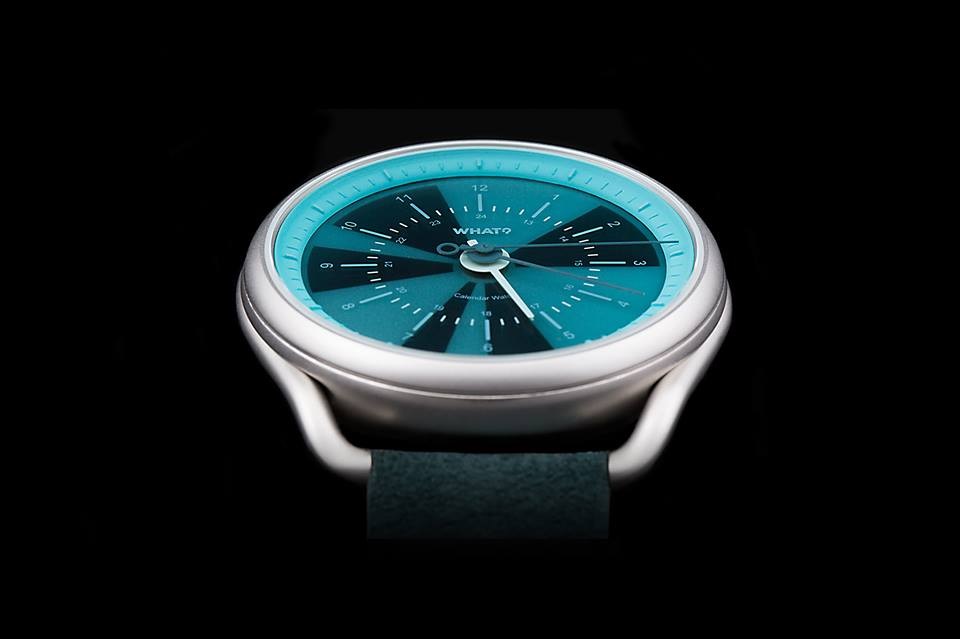
Calendar Watch’s iconic design, conceived by art director Masashi Kawamura and industrial designer Umberto Onza, features a stainless steel casing and domed sapphire. The bands are all leather quick-release with stitching to compliment the black, silver, or aqua blue faces. They’re close to adding a verdant green model – a 155,000 Euro stretch goal.
The battery lasts for about three weeks, so Calendar Watch provides a easy way to follow your calendar even if your phone dies or – heaven forbid — you leave it behind. When the watch is running low on battery, the second hand will slow its movement increments to five seconds at 10 percent, and to 15 seconds at five percent. It does come with a charging station that What? Watch will present on the Calendar Watch Kickstarter page.
Keep in mind, Calendar Watch is more of a mono-feature watch. It’s not a fitness tracker, or a remote for your smart phone. It focuses on doing one thing well, and helps its wearers do the same. One of the points on the Kickstarter campaign page is “Multitasking drops an average man’s IQ by 15 points.”
It’s set to retail for up to $550 post-campaign, but Calendar Watch is an attractive alternative to devices with more functional features in the same price bracket, at the sub-$300 price points offered as campaign rewards. Backers will get their Calendar Watches in September, 2016. You can read more here about the Calendar Watch Kickstarter campaign.