Choosing a smartphone for yourself or a loved one is no easy task. Smartphones are generally high-ticket but critically needed items, and there are ways to narrow down your choices so that you spend your money wisely for the most important features for you. Hundreds of available options can make your selection process overwhelming, especially if you’re not clear on your priorities. We can help you narrow down your choices by analyzing all considerations you need to confidently choose the best phone. Below are the major questions you need to answer.
For an in-depth look at what the current smartphone market has to offer, see our guides to the best smartphones, best Android phones, and best cheap smartphones.
What’s your price range?
First, determine how much you’re willing to spend and how you want to spend it. If you’re an Apple customer, you already know that iPhones tend to be more costly than Android phones. However, a cheaper iPhone SE (2020) for around $400 may be the ideal budget phone for the iOS platform. Samsung is another relatively high-priced brand with models across the price range. On the lower end of the price scale, you’ll find brands like Nokia, Honor, and Motorola. You can save upfront costs with phones that are subsidized via a carrier that you can pay for in monthly installments over a year or two. While these financial arrangements won’t save money in the long run, they will make a more expensive phone with more features more affordable. Have a look at our roundup of the best cheap phones to get an idea of what’s out there. If you’re really on a tight budget, you can still buy a smartphone for $100 or less.
What features do you need?
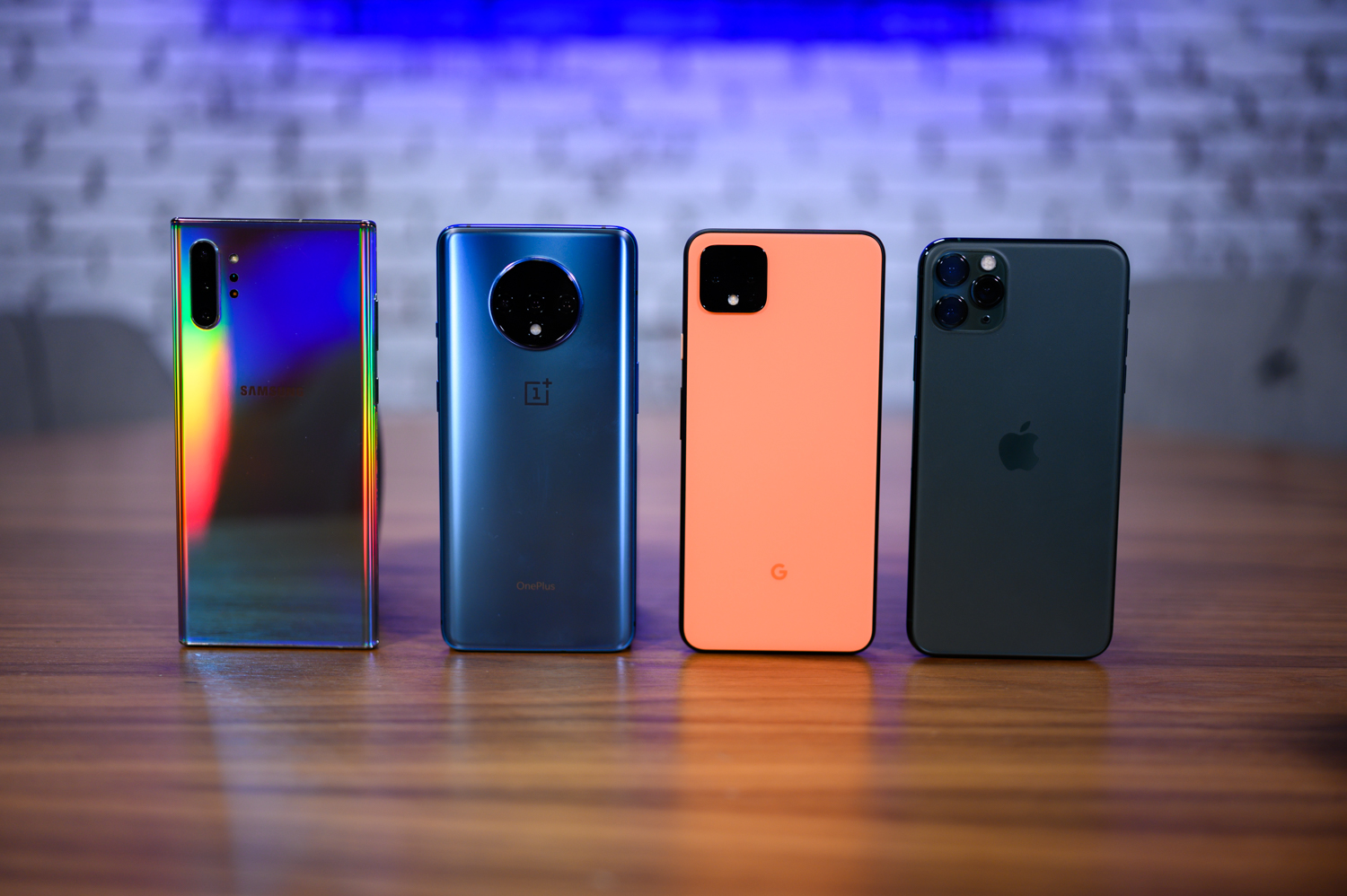
Start by drafting a list of the most critical features you need your smartphone to have. Use the list to compare devices. Ask yourself: Do you need a phone with a large screen? Do you prefer one that you can use one-handed? Are you looking for extended battery life or the best camera phone available? Do you need a lot of storage for your music or photo collection? Maybe you’re a frequent traveler and need a dual-SIM phone. Is 5G going to be part of the landscape in your area?
Which operating system do you prefer?
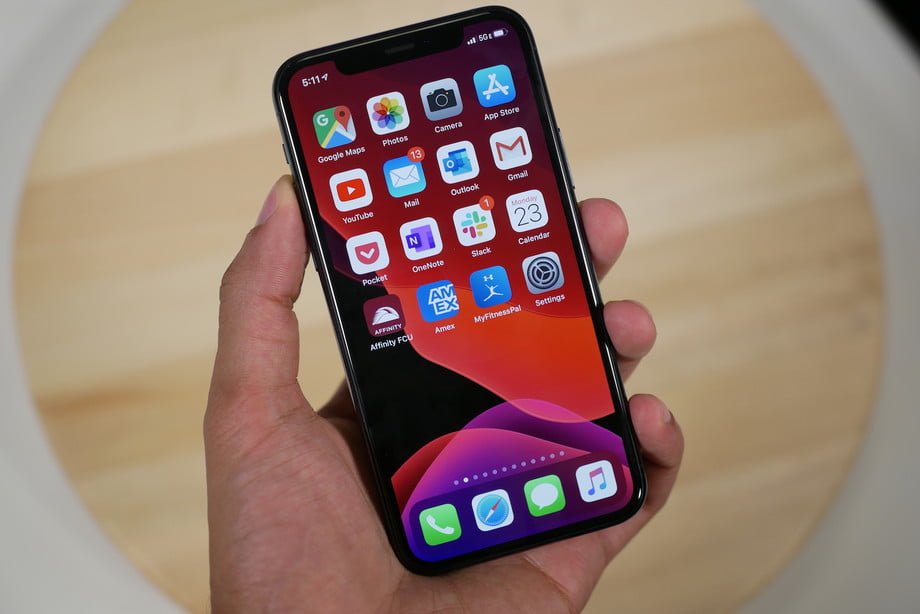
There are only two smartphone operating systems worth considering: Android and iOS. Both are easy to use and support a wide variety of apps and games. While you can change from Android to iOS, or from iPhone to Android, there are learning curves in both directions. For familiarity, try to stick to whatever platform you’re used to — unless you really don’t like it and want to switch.
Android offers a wider choice of devices at different prices, more customization options, and Google’s excellent suite of services and apps built-in. If you already use Google Maps, Gmail, Google Docs, and Google Assistant, then Android may be the better choice for you, though you can download iOS versions of all of those tools from the App Store.
Apple’s iOS offers a more uniform, accessible experience, and operations are more secure alongside proprietary features like Siri, fingerprint scanning, FaceTime, and iCloud. The App Store and app quality are slightly better than Android due to Apple’s oversight of the app process. If you already have a MacBook or an iPad, an iPhone is probably going to make the most sense for you. You’ll also find an enormous choice of accessories for iPhones, something that can be limited for lesser-known Android devices.
For a more in-depth breakdown of the top two smartphone platforms, check out our guide to Android vs. iOS, where we compare them in various categories.
What are the most important specs?
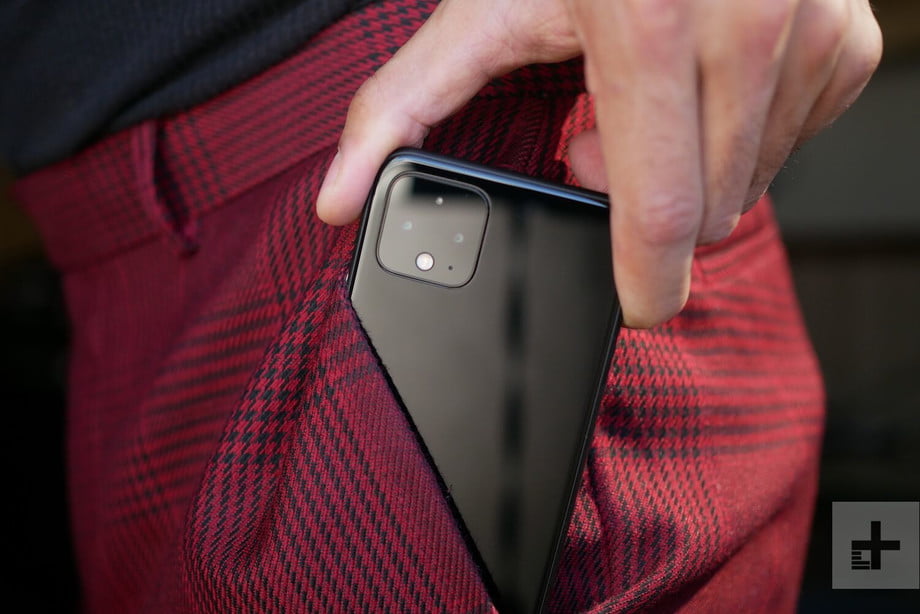
Listen critically to the salesperson at the store and then shop around to get hands-on experiences with different smartphones before buying one. If you don’t know much about specs, bring along a knowledgeable friend or family member. With more people shopping at home, you can still use chat apps and check forums and reviews for advice. Here are a few things to think about:
- Design: If you want something you can use one-handed, try to pick it up and try it out. A lot of phones these days have glass on the front and back, which makes them fragile and prone to smudges. Check that the fingerprint sensor position suits you as well — on many phones, the sensor is on the back rather than the front. The right design for you should look and feel good.
- Screen: You’re going to spend many hours gazing at the screen, so make sure it’s a good size for you and that it has a high resolution. We recommend a minimum of full HD, which is 1920 x 1080 pixels, or perhaps 2160 x 1080 pixels if the phone has a modern 18:9 aspect ratio. Anything that’s 1080p or higher will be sharp enough. In terms of the underlying technology, OLED screens have better contrast, with deeper blacks than LCD screens, and we prefer them overall. Some of Samsung’s Galaxy range and Apple’s iPhones feature AMOLED screens, but they can be pricey.
- Performance: This will be determined by two main things: The processor and the RAM. The processor is the more important consideration, and newer is generally better in terms of both speed and power efficiency. Apple’s A-series chipset tends to outperform the competition. For an Android phone, Qualcomm Snapdragon 865 Plus is the current cream of the crop. It’s debatable how much RAM you need in a smartphone, but we recommend looking for at least 4GB, at least for Android models. This doesn’t apply to iPhones, however, because they handle memory management differently and don’t require as much RAM. If in doubt, read reviews or play with your prospective smartphone in a store to test it.
- Operating system: If you buy a new iPhone, then you’ll get the latest version of iOS, but this isn’t always the case with Android phones. Because the manufacturers often apply their own user interfaces on top of Android, it can take a while to get the latest updates. You may not get future versions of Android upon their releases, or even at all if the manufacturer decides not to update. Only stock Android phones from Google, such as the Pixel 5, are guaranteed to get immediate and consistent Android updates. The current version to look for is Android 11. Always try to get the latest version you can.
- Camera: Smartphone cameras have greatly improved over the last few years. The choice can be bewildering, but note that good camera performance is about a lot more than just a high megapixel count. If you’re able to test the phone out for yourself, you certainly should, but you’ll also find useful information in reviews. We do numerous camera shootouts here at Digital Trends.
- Bloatware: Be aware of bloatware or hobbled features, especially with Android. Sometimes carriers block specific features or change defaults. Carriers and manufacturers often add a lot of superfluous apps, and you may not be able to uninstall them.
- Battery life: Removable batteries are rare these days, so you want a phone that can keep up with you. Check the consensus on battery life in reviews. The mAh rating will give you some indication, but the capacity is also impacted by the screen size, resolution, and software, so you need to look beyond the number.
- Storage: The latest smartphones generally come with enough storage built-in. When 16GB phones were common, which already had used up 10GB out of the box, you could run out of space alarmingly fast. A minimum of 32GB is good, but 64GB is better. Much depends on how you use your phone. You’ll obviously need more space if you like to load your music or photo collection. Having a MicroSD card slot allows you to expand your storage space relatively cheaply. However, Apple never includes MicroSD card slots, so this is something you’ll find only in some Android devices.
- Durability: If you buy a predominantly glass phone, and you’ve got butterfingers, make sure to buy a protective case. You should also get a phone with some water-resistance. The top flagships tend to have IP67 or IP68 ratings nowadays, which means they can be submerged in water without damage. Many budget phones also come with some water-resistance.
Choose a wireless carrier

It’s important to choose a carrier that offers good coverage in your area so you’ll have a strong signal. We recommend doing a little research at Open Signal, where you’ll find comprehensive coverage maps for different areas and carriers. Simply enter your location and pick a carrier to see what the coverage is like where you live and work. If you want to be able to do data-intensive things without Wi-Fi — like stream video or play multiplayer games — make sure that 4G coverage is good in your area. Newer phones, like the iPhone 12 range, are now also incorporating 5G, but that protocol is still in the early stages in most places, so it’s likely not a huge priority as yet. If you intend to hold on to your phone for several years, however, 5G will become a factor in your buying decision.
The main network choices are Verizon, AT&T, and the recently merged T-Mobile/Sprint, but there are other carriers, too, such as MetroPCS, Boost, Cricket, and Virgin, that may be worth considering. If you plan to buy your smartphone from your carrier along with your service, make sure that they offer the phone you want. We recommend buying an unlocked phone when possible because it will work out to be cheaper in the long run and give you the freedom to change carriers in the future.
Pick a service plan
There are hundreds of different cell phone service plans on the market today, and market competition can mean lower prices for consumers. However, you’ll need to shop around a bit to find the best deal. These days, choosing the best and cheapest plan is easier than ever. We’ve done some of the legwork for you already by looking for the best family plans, best unlimited data plans, and best cheap phone plans.
If you’d like to save a bit of money but aren’t ready to quit your phone plan quite yet, try to negotiate a better deal with your carrier— research the offers and deals provided by other carriers. If you find a lower price available, with better features offered, contact your current provider and see if negotiation is possible. Be sure to request a representative from the customer retention department— they’re the ones with the power to work with you, apply discounts, and share incentives to keep at the company.
Service providers are highly motivated to sell you the most expensive plan they can manage. Try not to get caught up in their salesmanship. Research the features you actually need and want from your cellular plan. The most expensive area of your bill will be data coverage; Consider the amount of data you may actually need in a given month, and use that as negotiation leverage when discussing a new plan.
If you aren’t sure exactly how much data you use every month, you’re not alone. We’ve built a guide to data usage that we recommend you check out before contacting your provider. Once you pinpoint how much data, minutes, or messages you use regularly, you can determine what plan will fit best for you. From there, you can use something like Wirefly to compare cell phone plans. You can use the information you find there to negotiate price-matching plans. Keep in mind, another way you can save money with your cellular plan is through bundling. They may seem expensive, but bundling services may actually save you money in the long run. Putting in this research upfront can help put a significant amount of money back in your wallet.
Editors' Recommendations
- The best tablets in 2024: top 11 tablets you can buy now
- The most common Skype problems and how to fix them
- What is NFC? How it works and what you can do with it
- Best iPhone 15 deals: How to get Apple’s latest iPhone for free
- The 10 best photo editing apps for Android and iOS in 2024