1. Home
  2. Computing
  3. Audio / Video
  4. Web
  5. Legacy Archives

Yahoo Connected TVs to offer widgets for sale

Add as a preferred source on Google

Yahoo has announced that, starting in March 2011, it will enable software developers to sell applications for Internet-connected TVs using its Yahoo Connected TV platform. Applications will be for sale via a new Yahoo Connected TV Store, which will be accessible from Internet-enabled televisions from a variety of makers, including Sony, LG, Samsung, Toshiba, and Vizio.

Image used with permission by copyright holder

Yahoo will be running the Connected TV Store much like other applications stores for Internet-enabled devices, and Yahoo will pocket 30 percent of the money from each sale. Yahoo will support widget pricing from as low as $0.99 all the way up to $99. Widgets will be able to generate revenue for developers through direct sales, paid subscriptions, and by charging for downloads. The paid widget program will initially be available to developers and publishers in the U.S., UK, Germany, Spain, Sweden, France, Canada, and Australia, although Yahoo anticipates opening the program to other countries.

Recommended Videos

Of course, casual games would seem to be a natural fit for Yahoo’s Connected TV platform, but the company says it is already testing a number of paid applications in other areas, including online video tutorials for subjects like algebra and physics, high-end screensavers, enhanced weather information, and home movie sharing.

Yahoo Connected TV launched back in 2009, Widgets currently available for Yahoo Connected TVs are available for free.

Adding paid applications to Yahoo Connected TV may help the company’s interactive TV platform compete with Internet-enabled set-top boxes like Google TV, devices like Roku and Apple TV, home media PCs, and gaming consoles that increasingly offer Internet access from living room TVs. If Yahoo can develop a healthy ecosystem of third party applications, the Yahoo Connected TV platform becomes much more appealing to television makers, who are looking to build Internet services directly into their hardware.

Geoff Duncan
Former Contributor
Geoff Duncan writes, programs, edits, plays music, and delights in making software misbehave. He's probably the only member…
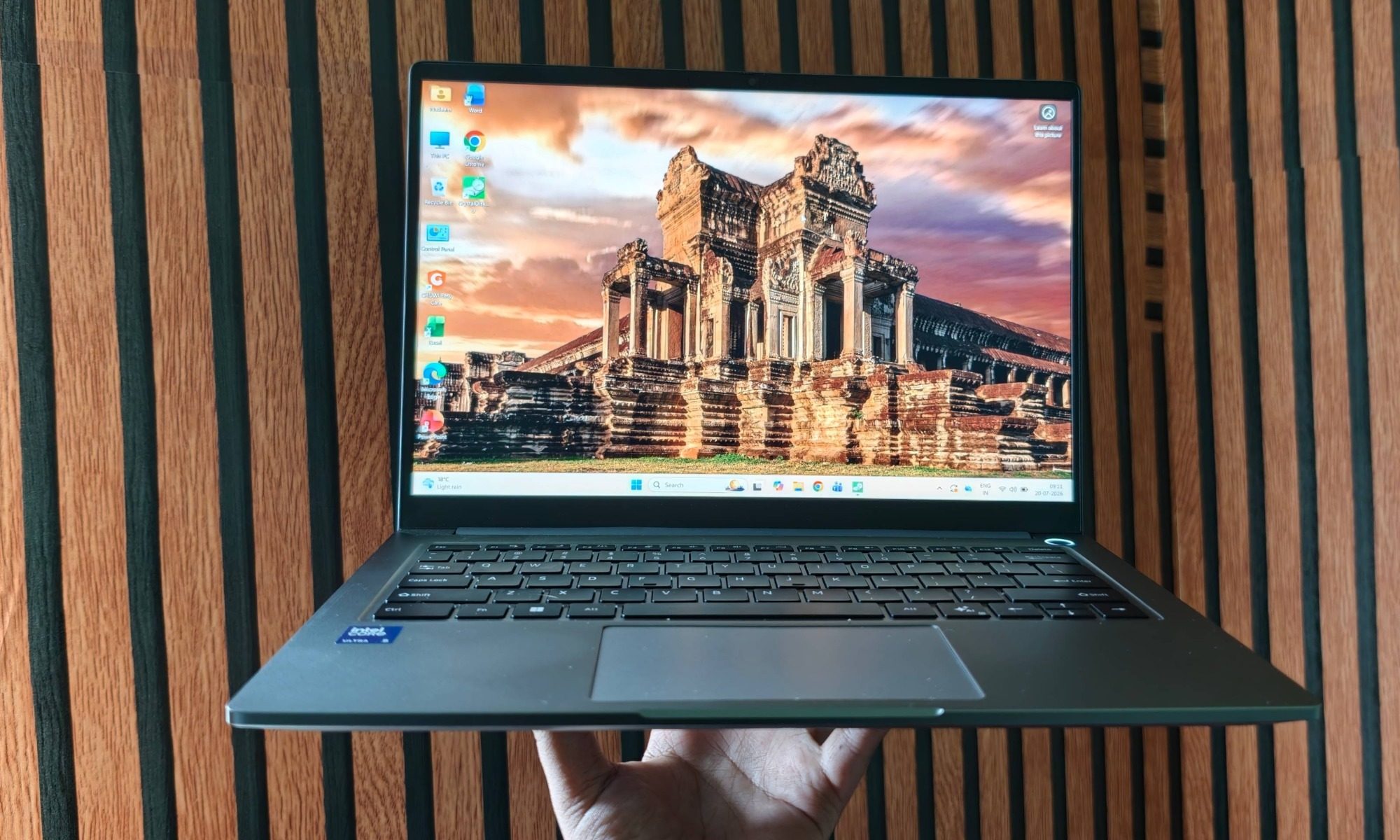
Chuwi CoreBook Air review: A rewarding budget laptop that wants you to cross the brand boundary
Chuwi's CoreBook Air is a relatively unknown, but a heavy-hitting budget machine for the AI-first computing era.
Computer, Electronics, Laptop

View at Chuwi

Quick verdict

Read more
AI’s latest problem is deepfake disaster content for farming engagement
Fake and recycled videos from disasters in Venezuela and China are making social media feeds harder to trust when people need accurate updates quickly
Electronics, Screen, Adult

Social feeds around the earthquakes in Venezuela filled with recycled footage and AI-generated destruction. Severe weather in China attracted its own wave of AI disaster videos, including fabricated flood scenes and false reports of power outages.

It creates an ugly race. People want immediate evidence of what happened, and AI slop can deliver something dramatic before reliable information catches up. Authentic updates are left competing with fiction precisely when confusion can send people scrambling for answers.

Read more
Think twice before downloading your next Windows 11 app from Google
Your Windows app search results have become a malware minefield
Windows 11 Laptop

Searching Google for a Windows utility and clicking the first convincing result has always carried some risk. A newly uncovered network of fake websites has made that familiar habit considerably more dangerous. More than 70 domains were found impersonating popular Windows apps. This includes Microsoft PowerToys, CrystalDiskMark, EasyBCD, Wintoys, Lively Wallpaper, and SignalRGB.

Windows Latest reports that many of the lookalike sites appear above the genuine project pages in Google results, despite having no connection to the developers behind the apps. Some currently redirect their download buttons to legitimate Microsoft Store pages, which may be part of the attack.

Read more