  1. Home
  2. Audio / Video
  3. Deals

Experience truly immersive sound with the Samsung HW-Q90R soundbar

Add as a preferred source on Google
Image used with permission by copyright holder

As TVs get thinner and thinner, their built-in speakers also become weaker and weaker. Even the best and most expensive 4K TVs could use external speakers. For an elevated and immersive home cinematic experience, you need a soundbar. One of the best in delivering a powerhouse sonic performance is the Samsung HW-Q90R. Right now, the HW-Q90R is available on Amazon for $1,398, 18% less than its suggested retail price of $1,700. You get to save a whopping $302.

This soundbar looks almost exactly like its predecessor, the HW-N950, which is our choice for the best Dolby Atmos soundbar of 2019. What sets it apart is that it is optimized for Samsung’s TV of tomorrow, the QLED TV. A QLED TV is engineered with a display technology that uses quantum dots that emit their own light, said to be more power-efficient, larger and thinner than regular LED TVs.

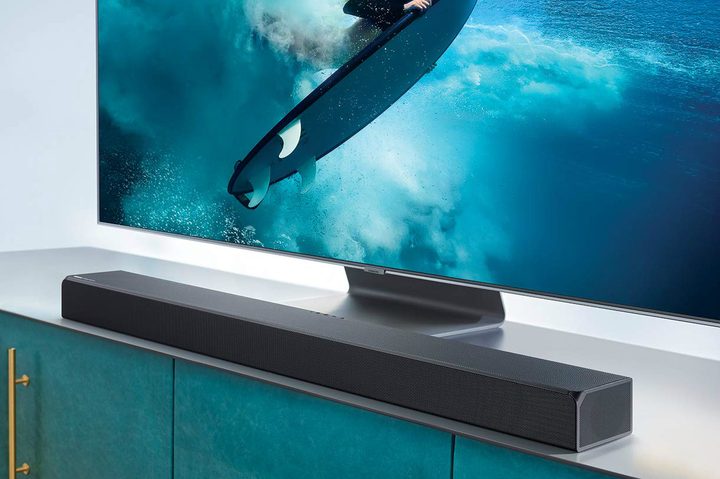
The HW-Q90R is a lot to unpack. It consists of one soundbar, two satellite surrounds, and a wireless subwoofer. The bar alone weighs nearly 20 pounds and measures 48-inches long, with the same slim aesthetic of most soundbars that will perfectly complement even the biggest TVs. All the speakers are solidly constructed with metal grilles on the top, front, and sides, painted in a dark metal finish that’s contemporary-looking and sleek.

The system boasts a powerful 7.1.4-channel Atmos configuration. The system has four front-firing drivers (two in the bar, one in each of the surround speakers), side-firing drivers that bounce sound off your walls, and the usual left, center, and right channels (all found in the bar). Combined with the terrifically pumped bass from the subwoofer, all 17 drivers work together to create a genuinely immersive surround sound experience.

In terms of features, the HW-Q90R shares a lot in common with the HW-N950. It can decode both Dolby Atmos and DTS:X, along with their numerous variants. A couple of things that are new are the Game Pro and Adaptive Sound mode. Aside from the usual Standard and Surround mode, these two new audio calibrations are designed for a specific purpose. Game Pro mode ups the sound effects for more immersive and realistic gameplay, while Adaptive mode analyzes the audio and optimizes it scene-for-scene to ensure dialogue won’t get lost in a chaotic mix of sounds.

This soundbar has Bluetooth connectivity so you can enjoy music wirelessly, and it works with Alexa. Through voice commands, you can order the HW-Q90R to play your favorite songs or tell it to crank up the volume. It can also be controlled using Samsung’s One Remote, which works with the TV and other compatible Samsung devices as well. Wires have also been reduced as the speakers communicate with each other wirelessly. The only cables you’ll need include the one connecting the main soundbar to the TV and the power cables.

Terrific sound quality, beautifully designed, and boasting the latest in audio tech, the Samsung HW-Q90R offers supreme audio experience. It isn’t vastly different from the HW-N950 though, and that one comes at a much lower price.

For more options, visit this page for the best soundbars for 2019.

Timothy Taylor
Former Digital Trends Contributor
Timothy is a deals writer for Digital Trends that specializes in finding the best discounts on smartphones, wireless…
Stop joining group projects with a blurry laptop webcam and buy one of these instead
Your laptop webcam is sabotaging your first impression. These five can fix it
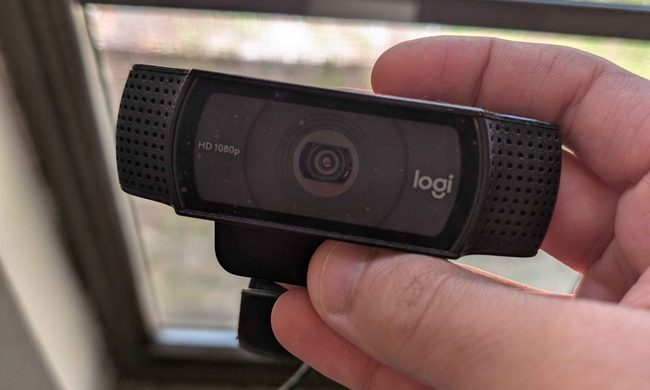
I'm holding my Logitech C920 1080p webcam in my hands.

The webcam built into your laptop might be good enough for a quick call with friends and family. But its shortcomings become much harder to ignore when you are presenting a semester project, interviewing for an internship, or maybe if you're planning to stream for fun.

Laptop cameras also tend to sit far too low, especially when the computer is placed directly on a desk. Meanwhile, a dedicated webcam lets you position the camera closer to eye level. This improves the framing and brings larger sensors, better microphones, and more effective low-light processing.

Read more
I desperately want a new classic Walkman, but Sony probably can’t give me one
Tech minimalism is begging for a new Walkman. Though rebuilding it may be close to impossible
Sony Walkman WM2011

Every few months, another piece of tech that seems obsolete crawls out of a drawer and becomes cool again. The age of minimalism has revived the popularity of iPods among younger buyers. Dumbphones have become an escape hatch from endless notifications. Similarly, digital cameras are dangling from bags again. Physical media keeps attracting people who want something they can actually hold instead of another frustrating subscription.

All of this makes it the perfect time for Sony to bring back the classic Walkman, which was a phenomenon during the 80s and 90s. I would love one. Give me a compact cassette player, physical buttons, and wired headphones. Keep the apps, notifications, and algorithms that shape your taste of music. No more AI assistants or personalzied feeds, just you and your Walkman. There is only one problem though. Recreating the Walkman that people love and remember, would be far harder than putting an old design back into production.

Read more
Proton reveals how smart TVs track you and the escape situation is pretty grim 
Modern smart TVs fingerprint your screen content at the chipset level.
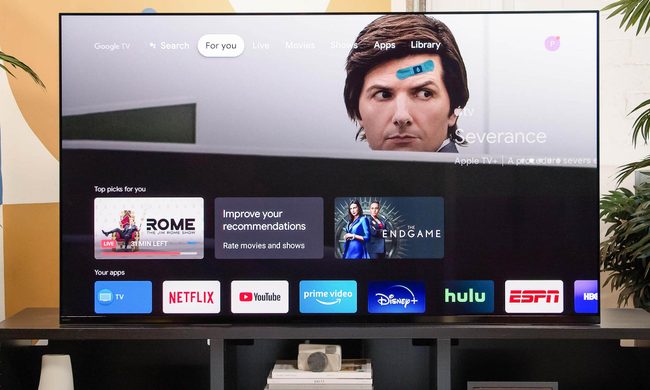
Google TV applications on the Sony A95K TV.

Your smart TV may know far more about your viewing habits than you realize, even if you rarely use its smart features. In a new privacy explainer, Proton warns that many modern TVs quietly collect data about everything displayed on the screen and share it with manufacturers, advertisers, and analytics companies.

The worrying part is that escaping this tracking is becoming increasingly difficult because many privacy controls are buried deep in settings or enabled by default. Proton argues that buying a smart TV today often means accepting a level of surveillance that most people never knowingly signed up for.

Read more