Tesla
Tesla is undisputedly the company responsible for making electric cars a credible alternative to gasoline-powered vehicles. Without the Silicon-Valley EV maker and its market-defining products, it is likely that electric cars would still be a sideshow in the car world. Tesla isn’t done, either. The company is constantly tweaking existing models, teasing new cars, and flying roadsters into space, and transforming the world of motoring with its Autopilot software. You can stay up to date with all the latest Tesla news and reviews right now in this handy collection of all our coverage.
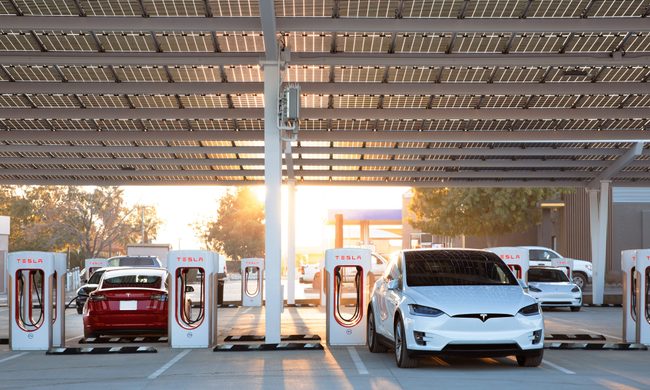
Tesla has a battery theft problem
A WIRED investigation reveals organised gangs repeatedly stole Tesla battery shipments from its Nevada factory, prompting tighter security and raising concerns over supply chain vulnerabilities.


Original Series


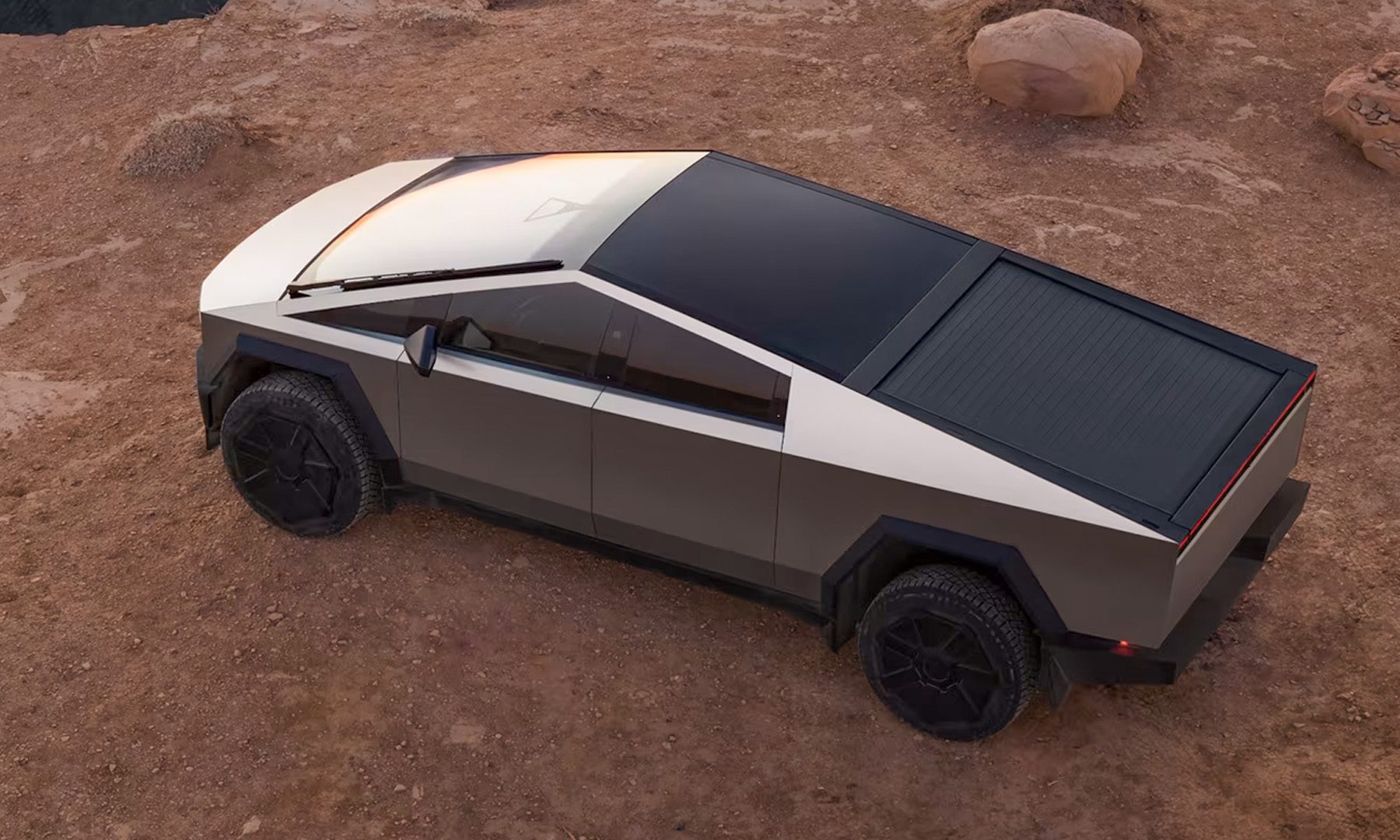
Tesla’s latest Cybertruck recall sounds almost comical
Tesla is recalling 173 Cybertrucks after discovering a defect that could cause wheels to detach while driving, marking another bizarre chapter for the EV pickup.

Tesla promises HW3 owners a lite version of FSD, but its months away
Tesla announced FSD V14 Lite for international HW3 owners, a stripped-down Level 2 driver-assistance system, after 3,000 European owners across 29 countries filed a €6.5 million collective legal claim.
Tesla offers one year free Supercharging with Model 3 Premium and Performance
Tesla is offering one year of free Supercharging with Model 3 Premium and Performance variants, reducing ownership costs while strengthening its charging ecosystem advantage.

Tesla’s Cybercab has entered production. Let’s hope it can actually drive itself this time
Elon Musk confirmed on April 24, 2026, that Tesla's Cybercab has entered volume production at Gigafactory Texas, but the steering-wheel-free robotaxi still faces unresolved FSD safety concerns.

Tesla finally speaks the truth on full self-driving on old cars, and it’s hope in darkness
Elon Musk confirmed on April 22, 2026, that Tesla Hardware 3 vehicles need new computers and cameras for unsupervised Full Self-Driving, reversing years of promises that FSD was purely a software unlock.

Battery tech is solving problems buyers still don’t care about
For the longest time, the electric vehicle industry has been chasing a finish line that felt simple enough: make charging as fast as refueling a petrol car. That was the promise, the pitch, and in many ways, the justification for everything from billion-dollar battery investments to government subsidies. In 2026, that finish line is no […]

Tesla’s rare Signature Edition cars come with a resale trap
Tesla's Signature Edition Model S and Model X come with a one-year resale ban, a $50,000 penalty, and strict buyback terms, giving collectors a rare Tesla with far more strings attached than usual.

Volkswagen abandons ID.4 EV plans for shoppers in the U.S.
After years of mixed sales and the loss of the $7,500 federal EV tax credit, Volkswagen is pulling the ID.4 from the US market and betting on gas-powered SUVs to keep its American operations afloat.

Tesla could be planning its cheapest EV yet with SUV styling and some deep cuts
Tesla's next could be its cheapest electric car yet, opting for a single-motor format and smaller battery. But given the brand's history, take this rumor with a hefty dose of skepticism.

Tesla rolls out FSD v14.3 update with quicker reaction time and other improvements
Tesla FSD v14.3 is rolling out now, bringing a 20% faster reaction time, a fully rewritten AI compiler, and major improvements to stop sign behavior and yellow light handling.

Tesla’s new Roadster could finally debut next month, but there’s an emphasis on “hopefully”
The long-awaited Tesla Roadster could finally be announced next month after years of delays.

Rivian’s new R2 wants to be your next electric adventure buddy
Rivian has revealed its R2 electric SUV lineup, confirming trims and pricing as the company aims to bring a more affordable, adventure-ready EV to a wider audience.

How BYD’s new EV charging tech and range stacks up against Tesla and the rest
BYD's Blade Battery 2.0 promises 1,000 km of range and a five-minute charge — specs that make Tesla's best look conservative and Porsche's fastest look leisurely.
Tesla’s top rival launches EV battery tech promising full charge in about 10 minutes
BYD’s new Blade Battery 2.0 and flash-charging network promise ultra-fast EV charging, potentially cutting charging times to minutes.

Tesla’s biggest rival just claimed the world’s longest-range EV
BYD’s Denza Z9 GT claims the world’s longest EV range, pushing electric driving past 1,000 km on a single charge.

Why Tesla should worry about BYD’s latest move
BYD is finally rolling out its 1360kW megawatt flash chargers in China, and the specs leave Tesla Superchargers in the dust with 400km of range added in about five minutes.

Here’s your chance to grab a cheaper Cybertruck but you have to hurry
Tesla dropped the Cybertruck’s price for a limited 10-day window, aiming to spark demand after slow sales. It’s the lowest price yet — but the offer won’t last.
Researchers find Tesla Model 3 and Cybertruck are hackable machines on wheels
Researchers show that Tesla’s Model 3 and Cybertruck can be manipulated through internal network access, raising major concerns about cybersecurity in modern connected vehicles.

After hidden doors, yoke-style half-steering wheels could go out of vogue soon
China's upcoming 2027 safety rules could effectively ban yoke-style steering wheels after targeting flush door handles, signaling a broader shift toward traditional, safety-focused vehicle design.

CarPlay is still on track for Tesla cars, but you might have to wait longer
Tesla is still bringing Apple CarPlay to its vehicles, but rollout depends on wider iOS 26 adoption and resolved Apple Maps compatibility fixes.

Toyota just introduced its own robotaxi to tackle Tesla and Waymo
Toyota and Pony.ai unveil a mass-produced bZ4X robotaxi, signaling a serious, manufacturing-driven push into autonomous mobility, starting in China, with global ambitions clearly in sight.

A Chinese EV giant could be testing superchargers with an absurd output
Leaked filings suggest BYD is testing 2.1-megawatt EV chargers that could slash charging times to minutes, raising big questions about infrastructure, grids, and future road trips.

Tesla adds a new Model Y AWD option, and a new price point for you
Tesla listed a $41,990 Model Y AWD trim in the US, adding a new step above the Standard rear-wheel drive model as buyers face higher effective costs and tougher EV competition.

Pop-out door handles may be on their way out as China cracks down on the controversial design
China has banned hidden door handles on new cars, citing safety concerns around the controversial design.

You might finally see CarPlay Ultra beyond a $200,000 Aston Martin
CarPlay Ultra has been hard to find outside a $200,000 Aston Martin, but it may finally reach a mainstream Hyundai or Kia model later this year, signaling Apple’s first real chance to scale its bespoke dashboard system.

Tesla kills Models S and X in a shocking twist to make more robots
Tesla will end Model S and Model X production in 2026 as it pivots to Optimus robots, marking a strategic shift away from legacy premium EVs.


