Computer maker Lenovo has unveiled its first slate of Windows 7-bearing notebook and desktop computers, focusing on its Idea line: IdeaPad notebooks and IdeaCentre desktops. Although Lenovo is known for catering to the corporate and enterprise markets, the company is also trying to strike some chords with consumers with appealing designs, strong multimedia capabilities, and (of course) a bit of power under the lid.
“Our Idea products are designed with the user experience in mind—every aspect of product design and technology is engineered to improve how consumers seamlessly use these products to enrich their daily lives,” said Lenovo Idea Product Group senior VP Liu Jun, in a statement.
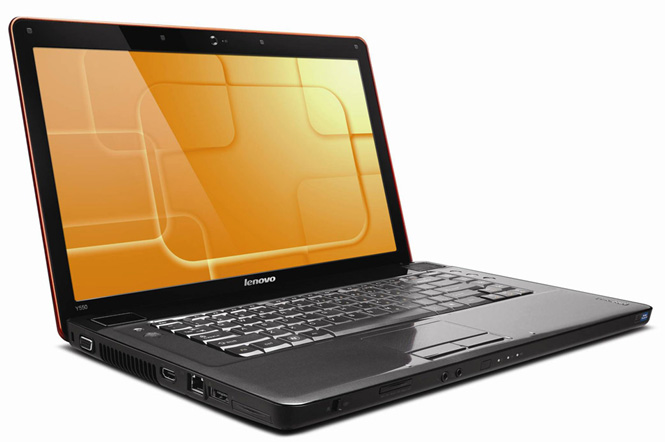
First up, Lenovo is offering three new IdeaPad notebooks, the U150, the U550, and Y550P. The U150 aims at the road warriors, sporting a slim (13.5mm) profile and an 11.6-inch widescreen display, a low-power Intel Core 2 Duo processor, and support for up to 8 GB of RAM. The U550 will beef things up a little bit with an Intel Core 2 Duo processor and a 15.6-inch widescreen display driven by either battery-saving integrated graphics or performance-enhanced dedicated graphics: users will be able to switch between the graphics systems with the push of a button. The U550 also sports an ambient light sensor, integrated DVD drive, and an integrated fingerprint reader and VeriFace facial recognition software for security. Revving up still further, the Y550P rock an Intel Core i7 processor, Nvidia graphics, a 15.6-inch display, and “SlideNav,” a touch-sensitive bar above the keyboard that supposedly helps with navigating documents or more quickly change your desktop wallpaper (because Lenovo apparently feels being able to change wallpaper very quickly is crucial to a proper computing experience).
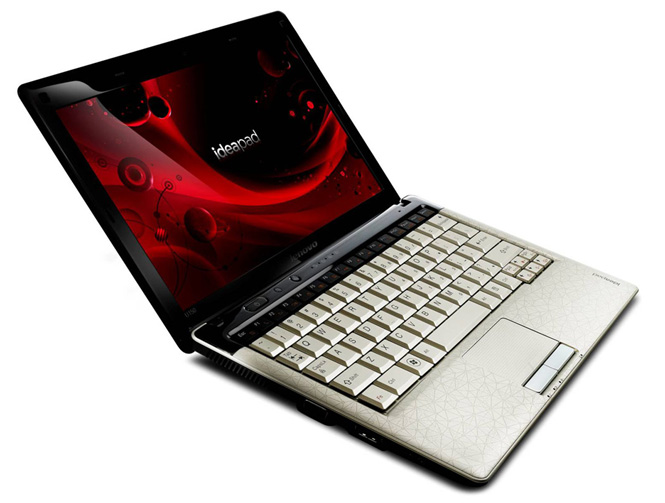
The IdeaPad U150 is budget-friendly with prices starting at $585; prices for the U550 will start at $650 while the Core I7-bearing IdeaPad Y550P will start at $1,149.
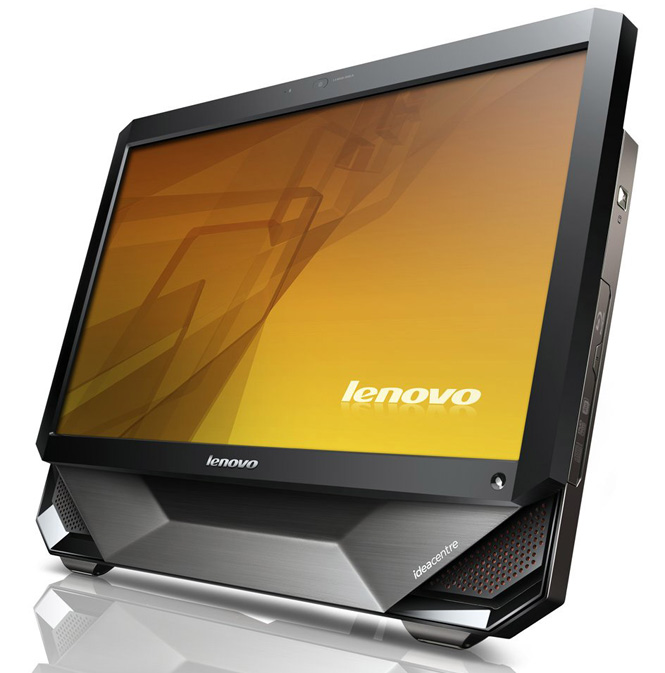
Moving on to desktops, Lenovo has unveiled its IdeaCentre B500 all-in-one, which aims to be a one-size-fits-all system for computing, media, and entertainment. The B500 features an Intel Core 2 Quad processor, and discrete graphics, and supports up to 1 TB of storage and 1 GB of RAM. But all that is overshadowed by the integrated 23-inch full-HD display and sleep all-in-one design. The B500 also sports a JBL sound system and a 4-in-1 remote control that can act as a motion-drive game controller, VOIP handset, air mouse, and a media remote. Expect to see the B500 for sale at prices starting at $649.
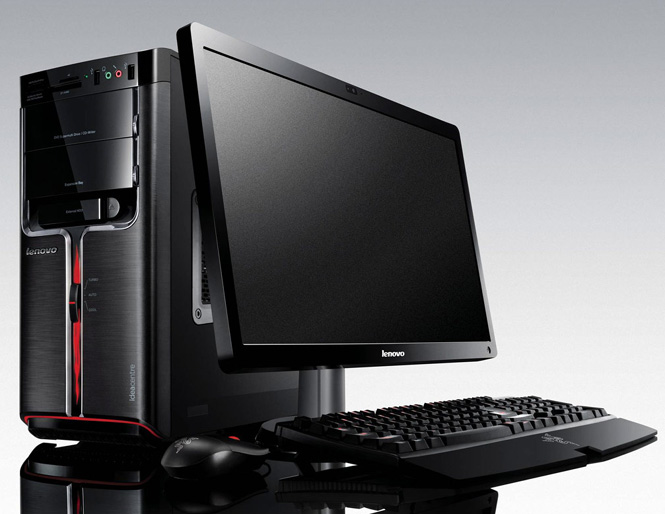
Next up, Lenovo keeps the budget-conscious happy with the IdeaCentre H230 desktop…about which the company is saying almost nothing except that it’ll be available with a range of storage and RAM configurations with prices starting at $449. Moving up the ladder, the IdeaCentre K300 will sport a Core 2 Quad processor and offer RAID support; it’ll also feature the “Lenovo Power Control Switch,” which the company claims makes it easy for users to adjust the level of power they need from energy-efficient configurations to flat-out frag-em-all gaming mode. The IdeaCentre K300 will start at $499.
All Lenovo’s new systems ship with Windows 7 pre-installed and include the Lenovo Enhanced Experience, aimed at providing users with easy system maintenance tools, improved boot and shutdown times, and deeper multimedia functionality.