Blink recently added the Outdoor 4 camera to its catalog, usurping the older Outdoor 3 as the go-to outdoor security camera to protect your home. But if you already own an Outdoor 3, is an investment in the Outdoor 4 worth it? And if you’re shopping for your first outdoor camera, should you opt for the more expensive Outdoor 4 or save a few bucks by purchasing the Outdoor 3?
From video quality and night vision to ease of use and pricing, here’s a look at the Outdoor 4 and Outdoor 3 to help you decide which is best for your smart home.
Video quality and cost
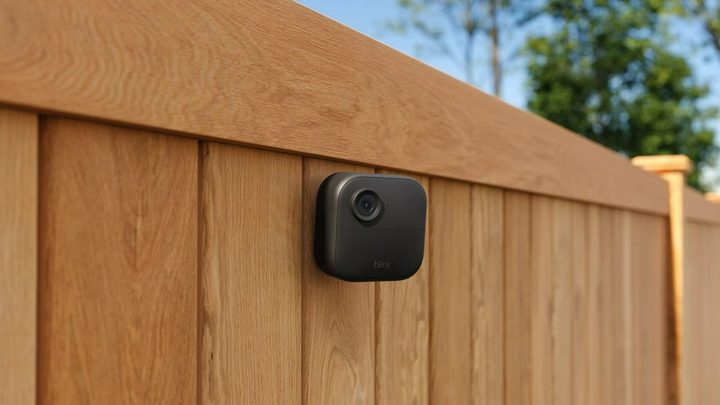
The Blink Outdoor 4 films in 1080p and costs $120. The Blink Outdoor 3 also films in 1080p and costs just $100 (though it’s often on sale for much less). It’s worth noting, however, that the Blink Outdoor 4 uses a wider 143-degree field of view, compared to the 110 degrees of the Outdoor 3. This allows it to capture more of your property.
Winner: Blink Outdoor 4
Feature and spec list

The Blink Outdoor 4 and Blink Outdoor 3 share many of the same specs. This includes a two-year battery life, the ability to view a live stream of your property, two-way audio, and support for Alexa.
Blink made a few changes to the Outdoor 4 that give it a leg up on the older model, the most notable of which is the aforementioned 143-degree field of view. The Outdoor 4 also benefits from improved motion detection and dual-zone motion alerts, as well as person detection when subscribed to a Blink plan. Its infrared night vision is also a bit more crisp than it is on the outgoing model.
Winner: Blink Outdoor 4
Monthly fees and what you get
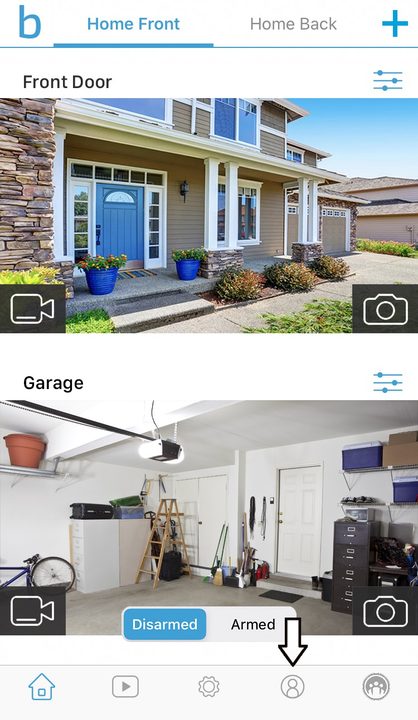
Both the Blink Outdoor 4 and Blink Outdoor 3 are made better by subscribing to a Blink Plan. Joining the Blink Basic Plan costs $3 per month or $30 per year and unlocks features such as live view recording, video sharing, and photo capture. On the Blink Outdoor 4, this also unlocks person detection.
Winner: Tie
Ease of use
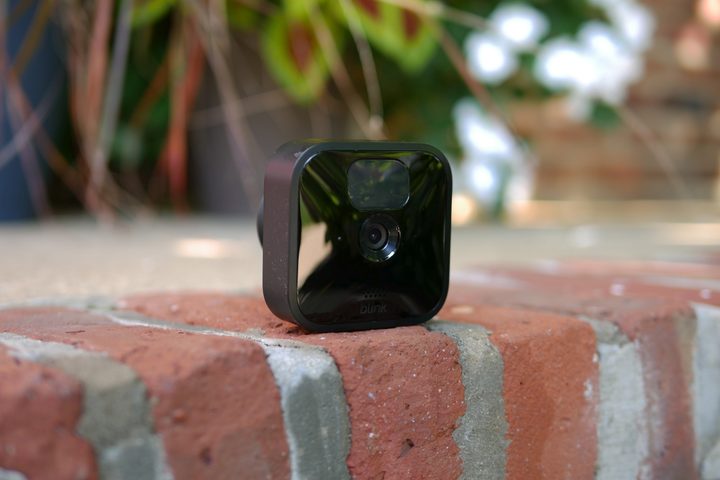
The Blink Outdoor 4 and Outdoor 3 follow the same installation process. First, you’ll need to create a Blink account and download the Blink app to your smartphone. Next, you must plug in the included Sync Module, before finally setting up your camera using the instructions provided by the smartphone app.
Installation is simple, but using your cameras is arguably easier. Both are controlled with the Blink smartphone app, which is intuitive and powerful. It might take some digging to use advanced features (such as setting up motion zones), but checking your history and jumping into a live feed is simple across both devices.
Winner: Tie
Who should upgrade to the Blink Outdoor 4?
There’s no doubt that the Blink Outdoor 4 is a better smart outdoor camera than the older Blink Outdoor 3, but not everyone should feel compelled to make the upgrade. In fact, if you’ve recently purchased the Outdoor 3, there’s not much of a reason to swap it out for the Outdoor 4. Both products work incredibly well — and unless you really need that added coverage from the 143-degree field of view, there’s not a good reason to upgrade.
However, if you’re looking to purchase your very first outdoor camera (or want to upgrade from an older device), the Outdoor 4 is a much wiser purchase than the Outdoor 3. Since both products are often on sale, you can typically snag an Outdoor 4 for just a few bucks more than the Outdoor 3. At the time of writing, the Outdoor 4 is listed at $72 on Amazon, while the Outdoor 3 is $60. All the additional features found on the Outdoor 4 are more than worth the extra $12. But even if you pay full price, there’s no denying the Outdoor 4 is simply a more compelling product than the outgoing Outdoor 3.