
These days it’s not hard to find a decent smartphone at a national carrier for little to no money down. The drawback is that you have to sign a contract of some kind. Even T-Mobile’s “Uncarrier” thing still means monthly payments and, if you decide to leave, you have to pay the remaining balance all at once. Getting out from under carrier contracts means buying a phone outright, and that can get expensive with most new phones costing $500 – $700 without subsidy.
All is not lost, though. There are alternatives. There are a handful of smartphones that cost $350 or less, and not just on traditional pre-paid carriers.
Google Nexus 5
$350 on T-Mobile, Sprint, and AT&T

It’s not often that you can get a phone with the latest OS, a fast processor, LTE connectivity, and a great screen for less than $500, but Google and LG managed to get it done with the Nexus 5. We’re not wowed by the design and the camera in no way competes with the Lumias and Galaxies of the world. Still, for a phone that is technically a budget and a bargain, neither of those drawbacks is that big a deal.
Read Our Full Review of the Nexus 5
Moto G
$180 – $200, US carriers TBA

The Motorola Moto G won’t be available in the United States until early January so we haven’t reviewed or even touched this phone yet. However, we couldn’t not include it given the low, contract-eschewing price. And given how much we like the Moto X, we suspect it’s younger brother will be impressive, too. Between the 4.5-inch 1280 x 720 pixel screen, 1.2GHz quad-core processor, and 1GB of RAM, this phone should provide speedy performance that will satisfy anyone but the most hard-core Android power users. The 8GB of storage space for the lower cost model is not enough; good thing the 16GB model is only $20 more. The biggest drawback is that the Moto G doesn’t support LTE.
Samsung Galaxy S3
$350 on Virgin Mobile, $340 on Boost Mobile
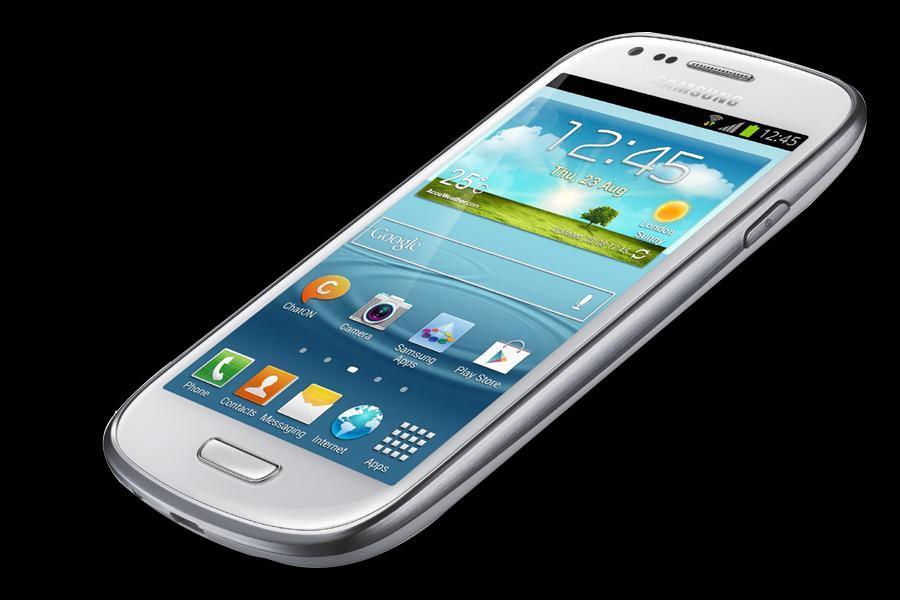 We’ve reached the point where last year’s superphone is this year’s bargain. In addition to being a comfortable handset with a beautiful display and decent battery life, the S3 is still fast enough to handle almost any app you want to run. And because this phone was everywhere last year, there are a ton of accessories for it. The Galaxy S3 is still available at every major carrier, though if you want the lower price you need to hit up Virgin and Boost (both of which use the Sprint network).
Read Our Full Review of the Galaxy S3
Pantech Discover
$355 on AT&T
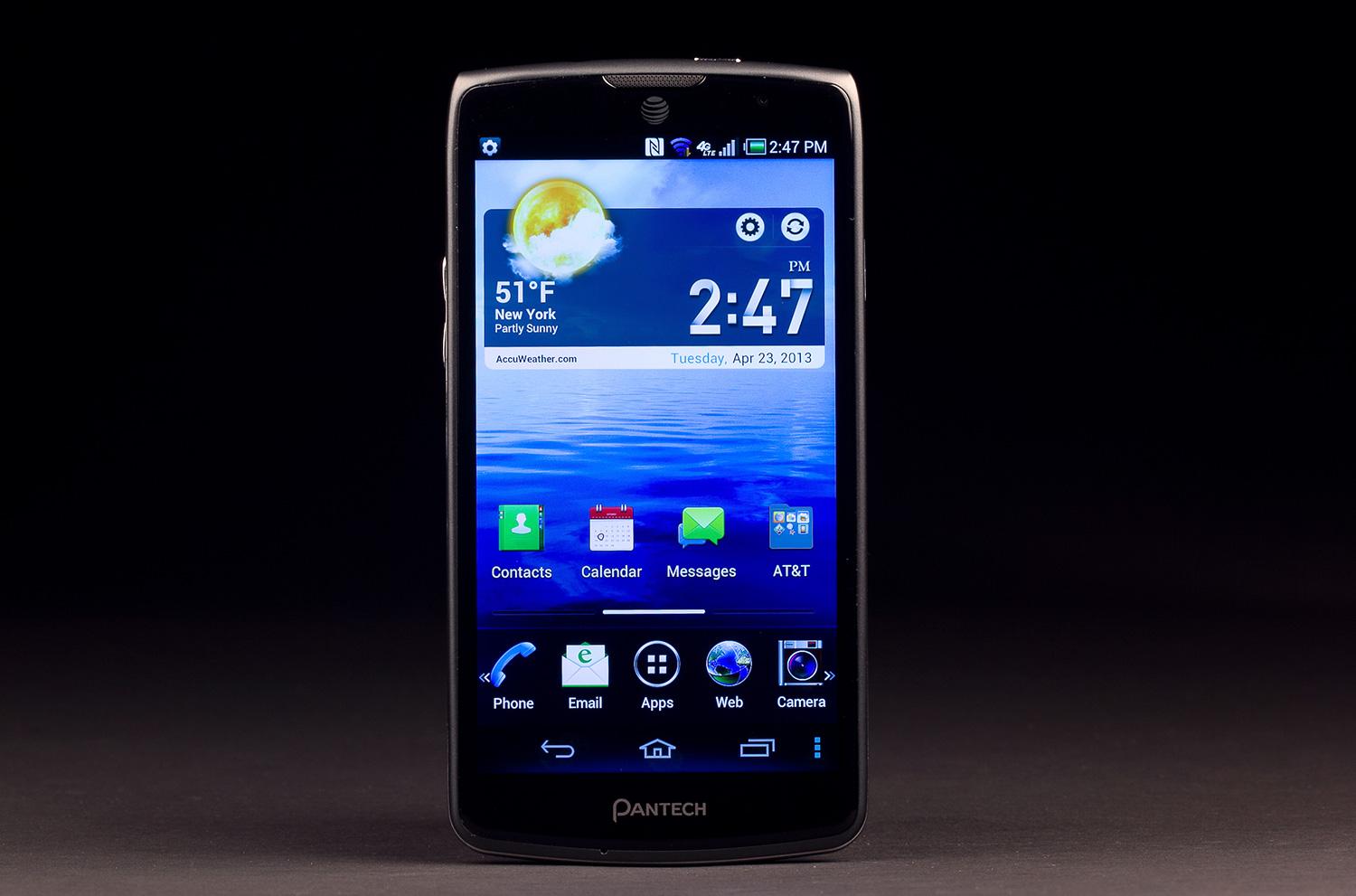
We’re cheating a bit with this one since it technically costs $355, but the extra $5 is worth it since the Discover is a great phone at this price. We raved about the wavy design and the cool side-shooting speakers in our review, and performance is even better than the Galaxy S3. Best part is that you don’t have to go pre-paid with this one. Buying it outright on AT&T means you can do a month-to-month contract and cancel anytime. Since it’s a GSM phone, you’ll be able to port it to T-Mobile, if you want.
Read Our Full Review of the Pantech Discover
LG Viper 4G LTE
$200 on Zact
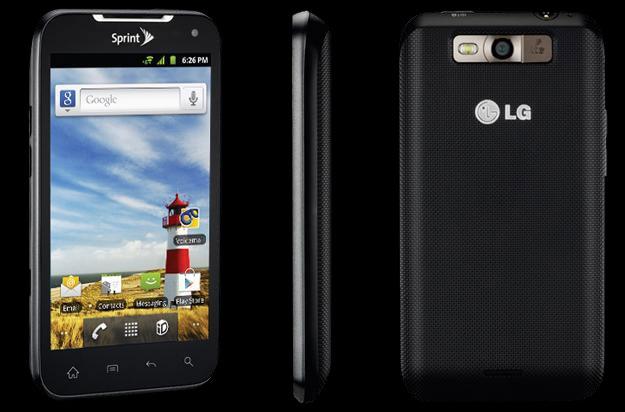 The Viper’s big claim to fame is that it’s very eco-friendly. It’s mostly made of recycled materials and is 100 percent recyclable when you’re done with it. Otherwise, it’s a pretty standard budget smartphone with a decent screen, battery life, and performance that is good enough for the price. At $200 it’s the least expensive handset available with Zact‘s mobile service. This makes it a good first smartphone for a kid. It doesn’t cost too much, they can’t go over budget on texting and calling their friends, and you get some robust parental controls on top of that.
LG Optimus F3
$255 on Ting, $250 on Sprint, $200 on T-Mobile, $150 on Virgin Mobile
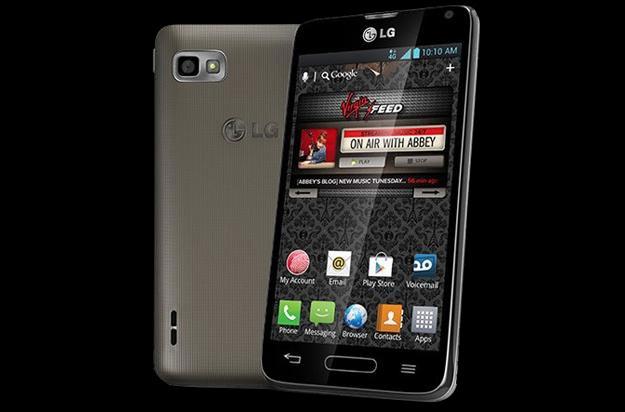 If the Viper interests you but Zact is not your style, the phone’s successor, the Optimus F3, is available at a low price on a wider range of carrier options (sort of … they all run on Sprint’s network, in the end). Other than bringing a fresher face to the table, the F3 also lasts a lot longer on a charge. If playing and streaming media is the whole reason you want a smartphone, then this is a good choice for the longevity alone. And if you’re shopping for a kid phone, Ting also offers minute control over texts, minutes, and data.
Samsung Galaxy Express
$250 on AT&T GoPhone
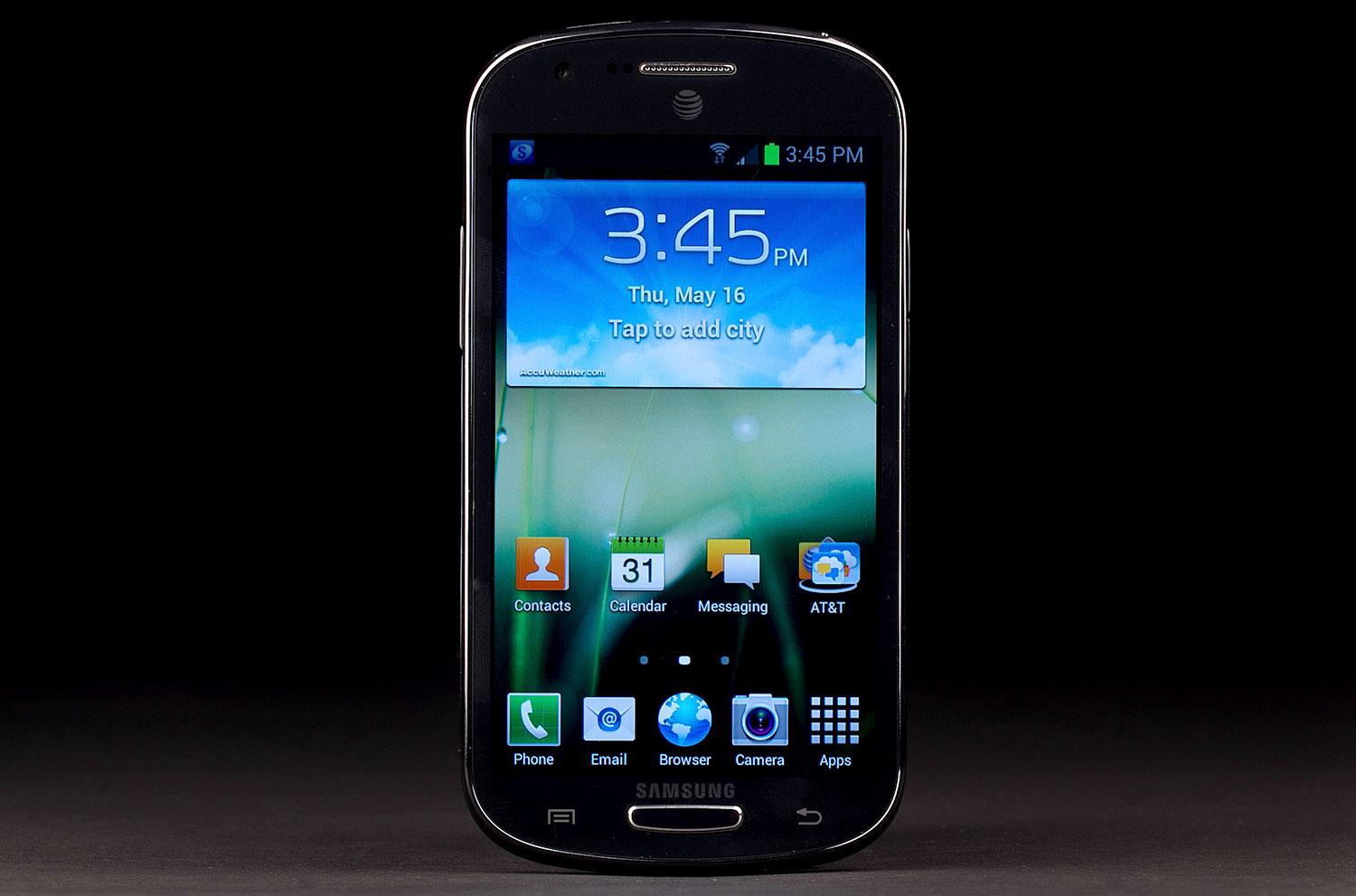
The Express is essentially a smaller version of the Galaxy S3 (not to be confused with the S3 Mini, though) with a similar and comfortable design, beautiful and bright screen, and excellent dual-core processor performance. It’s not the phone for gamers and power users, but for people who just want to do the basics without putting up with sluggishness. Tweens and teens will appreciate that it looks good and that the rear camera is surprisingly decent. Right now it’s only available as an AT&T GoPhone, the carrier’s pre-paid brand.
Read Our Full Review of the Galaxy Express
HTC One SV
$280 on Cricket Wireless, $230 on Boost Mobile
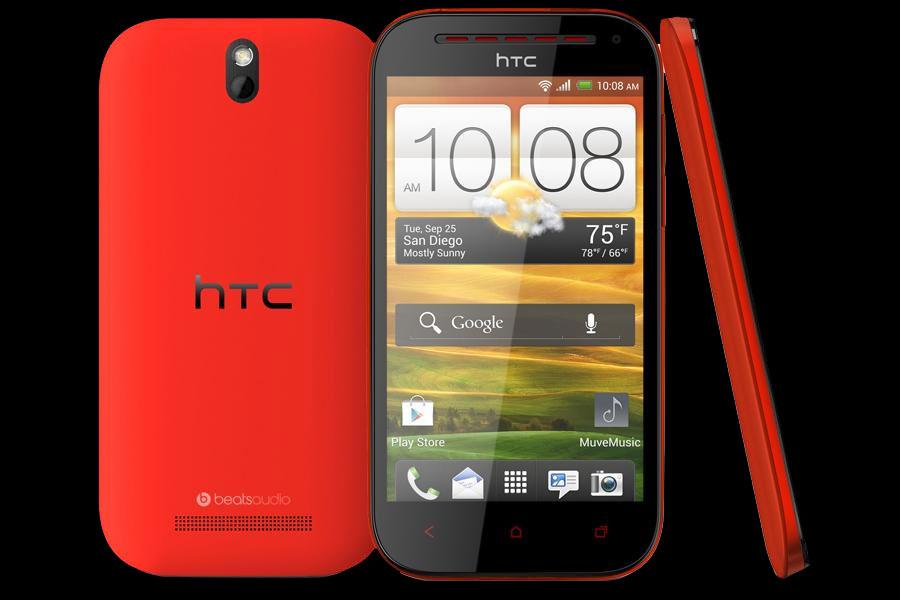 Good cameras are hard to find on budget smartphones, but the One SV is pleasant exception to that rule. It benefits from all the R&D that HTC puts into cameras for the high end. Though the shooter isn’t as robust, it’s above average for this price point and you get a great camera app. The One SV is solid with a bright display and Beats Audio for you music lovers. And for people who love it, HTC Sense is there to make your Android experience that much easier.


