1. Home
  2. Phones
  3. Android
  4. Mobile
  5. Evergreens

How to make face unlock more secure in the Samsung Galaxy S10 line

Add as a preferred source on Google
Samsung Galaxy s10e hands-on
Image used with permission by copyright holder

Exciting technology like facial recognition is making our smartphones more functional than ever, but at what cost? We’re learning that there are several ways to game the software, which leaves your data and information vulnerable to attack. So, how can you protect yourself?

Thankfully, there are some steps you can take to make face unlock on your Galaxy S10 more secure. We’ll fill you in on everything you need to know in this article.

Recommended Videos

Setting up face recognition

If you want a secondary way of unlocking your phone, you can enable face recognition by heading to Settings > Biometrics and security > Face recognition. Now when the screen on any of the S10 phones turns on, you’ll notice a light circling the hole-punch camera (the selfie camera floating on the screen at the top right). This means the camera is looking for your face, and once it finds it, the phone will unlock. You can set it to jump straight to the home screen by toggling off Stay on Lock screen.

The problem is the technology is very basic, and that means it’s not very secure. A simple trick of showing the camera a photo of your face — printed out or on another phone — will fool it to unlock the phone. Just take a look at our test in the tweet below:

So yeah, the #GalaxyS10 can be unlocked with an image of your face. BUT go into Settings > Biometrics and Security > Face recognition and toggle off "Faster recognition." Haven't been able to fool it with an image since, and the speed difference doesn't feel that much slower. pic.twitter.com/n13sEmn8mt

— Julian Chokkattu (@JulianChokkattu) March 7, 2019

We’ve pointed images of our face toward the Galaxy S10’s selfie camera, and it never fails to unlock. That’s a little alarming, even if Samsung does state clearly that facial recognition isn’t secure. Face recognition on the S10 series will still never be secure enough to use as an authentication method for sensitive apps, but there is a way to make it less easy to spoof.

Slightly more secure

In Settings > Biometrics and security > Face recognition, toggle off Faster recognition. What this does is make face recognition a little slower but a little more secure, so it won’t be fooled with just a photo of your face. Next to the Faster recognition option, it does warn, “Faster recognition improves speed but reduces security, increasing the possibility of a video or image being incorrectly recognized as your face.”

We’ve turned it off and then tried to spoof it with the same test as before, but the phone wouldn’t unlock whatsoever. The difference in speed is also negligible. Now, we’re not saying it won’t be susceptible to any kind of spoofing, but it should offer just a little bit more peace of mind if you still want to use face unlock.

Ultimately, if the security of Samsung’s face recognition worries you one bit, it’s likely a better idea to not use it at all, and just stick to the fingerprint sensor.

Julian Chokkattu
Former Mobile and Wearables Editor
Julian is the mobile and wearables editor at Digital Trends, covering smartphones, fitness trackers, smartwatches, and more…
I went hands-on with Samsung Galaxy Z Fold 8 Ultra. It’s peak foldable in an old garb. 
It may not look like a fresh start, but underneath the familiar chassis, there's plenty of thoughtful engineering tweaks.
Samsung Galaxy Z Fold 8 Ultra

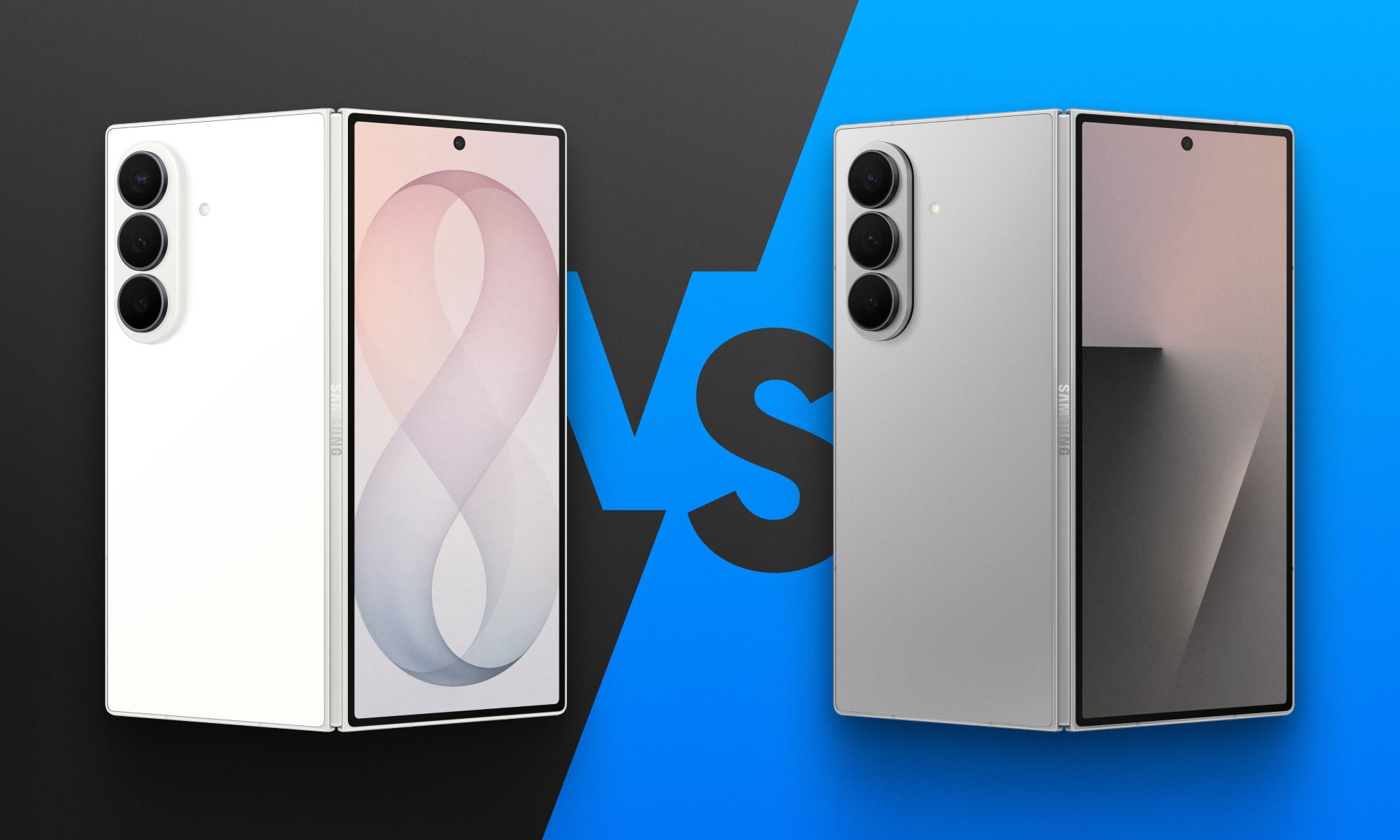
Samsung just wrapped up its glitzy Unpacked event, revealing three new foldable phones and a pair of smartwatches. While my heart flutters for the pocketable Galaxy Z Fold 8, it’s the Ultra variant that truly feels like a refinement. Interestingly, when you look at the Galaxy Z Fold 8 Ultra for the first time, you might mistake it for the Galaxy Z Fold 7.

Both of them look identical, and Samsung has not made any visible changes on the Galaxy Z Fold 8 Ultra for it to stand out from its predecessor. Color options, obviously, are fresh this time around, but there are a few changes that have been made under the hood, and they make this phone feel like a practically rewarding iteration.

Read more
Fold 8 Ultra vs. Fold 7: Upgrades across the board, but is the Ultra really worth the upgrade?
From battery capacity to camera hardware, here's a full comparison between the Galaxy Z Fold 8 Ultra and Galaxy Z Fold 7, and whether upgrading actually makes sense.
Galaxy Z Fold 8 Ultra vs. Fold 7

Foldables age differently than regular smartphones or flagships. But why do I say this? It's the hinge and the foldable aspect that wins buyers over in the first place, not the specifications that get outdated every single year. That's precisely why anyone still carrying last year's Galaxy Z Fold 7 is asking a fair question today: does Samsung's freshly unveiled Z Fold 8 Ultra genuinely earn an upgrade, or does the Fold 7 still hold its ground?

And for shoppers who skipped last year's model entirely and are weighing their first foldable purchase, the calculus is totally different. A now-discounted Fold 7 might undercut the Ultra by a considerable sum, and that could matter to those looking to spend on the form factor, not the latest specifications. 

Read more
Samsung makes it easier to run multiple apps on Galaxy Z Flip 8’s cover screen
Samsung's Galaxy Z Flip 8 now runs 16 apps on its cover screen.
Galaxy Z Flip 8 cover display

Samsung is finally making the Galaxy Z Flip's cover screen much more useful. With the new Galaxy Z Flip 8, you no longer have to rely on workarounds to access more apps without unfolding the phone. Instead, Samsung has expanded native support on the FlexWindow, allowing 16 apps to run directly on the outer display and also making it much easier to launch virtually any other app.

The update addresses one of the biggest complaints Flip users have had for years and brings Samsung up to the level of rivals like Motorola, whose Razr series has long offered a more flexible cover screen experience.

Read more