There’s been a lot of chatter about Spotify turning into a platform that will support audiobooks. Last year, the streaming company announced an acquisition of Findaway, an audiobook platform similar to Anchor. And according to a recent report from The Verge, Spotify executives have begun pitching investors the idea of hosting audiobooks on the platform.
It would seem like it’s only a matter of time until subscribers are given access to an endless supply of audiobooks on the Spotify app, just like podcasts before it. While the idea of being able to listen to audiobooks in the same app that I listen to music is good on paper, I can’t help but feel a certain sense of dread as I wait for the impending announcement.
An app full of clutter
The Spotify mobile app has seen several significant redesigns over the last few years, but the current way it’s organized leaves much to be desired. Searching for new music and podcasts has never been easier thanks to the many improvements to the app’s search engine, but much of the UI has been made drastically worse as the app has grown older.
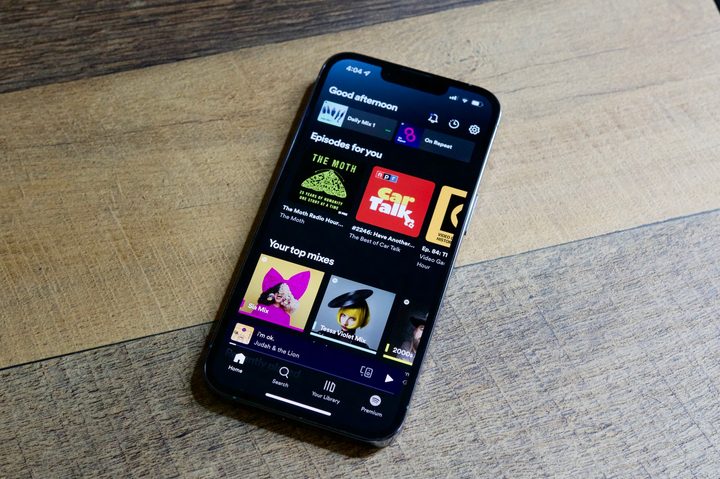
The Home page is filled to the brim with suggested albums I’ve never heard of, podcasts I don’t listen to, and playlists for music I don’t care for. Sure, there are some great additions like Spotify’s personalized Daily Mixes, but there’s just too much going on with its UI in other places for the experience to feel smooth.
Many of the issues I have with the Spotify app stem from the fact that it allows music and podcasts to mingle in the same spaces together — making it difficult to find either. If audiobooks are added to the mix, the Spotify app might teeter on the edge of being unusable due to the sheer number of worlds colliding without proper organization.
Audiobooks would certainly increase the value of having a Spotify subscription. However, the current mobile app is by no means in a position to smoothly bring in an entirely new form of audio content. The thought of music mixing with podcasts mixing with audiobooks in the current version of the app just seems like a complete nightmare. If the Spotify app were to integrate audiobooks, the company would need to think hard about how it’s going to organize its UI so that audiobooks don’t get meaninglessly added to the cacophony of album and podcast art that is the Home tab.
How Spotify can fix this mess
The way I see it, there are two solutions that Spotify could employ to potentially fix the issue. The first is to create an entirely separate app for Spotify audiobooks. This is the least attractive option as managing multiple apps is hardly ever convenient, but it could have tremendous benefits for separating the different media. Apple was able to do it with the separate Apple Music and Apple Podcasts apps, so there’s certainly a precedent for something like that working with Spotify.
The best option would likely be for Spotify to simply add more ways of organizing content in-app. Instead of having just three tabs at the bottom of the screen — Home, Search, and Your Library — it might be helpful to merge the functions of the Home tab into both the Search and Your Library tabs to make way for more options. That way, there could be room for Music, Audiobooks, and Podcasts tabs (or something of the like).
I’m obviously not an app designer, but there seem to be glaring issues with the Spotify app that would only be exacerbated by the addition of audiobooks. Spotify needs to think long and hard about how it’s going to make some semblance of sense out of the mess that is the current mobile app. If it doesn’t, Spotify may lose subscribers to competing apps that have a stronger grasp of content organization.