  1. Home
  2. Mobile
  3. Legacy Archives

ASUS teases new device to debut at Computex 2011

Add as a preferred source on Google
asus-computex
Image used with permission by copyright holder
Nvidia CEO showing the RTX 4060 Ti at Computex 2023.
This story is part of our coverage of Computex, the world's biggest computing conference.

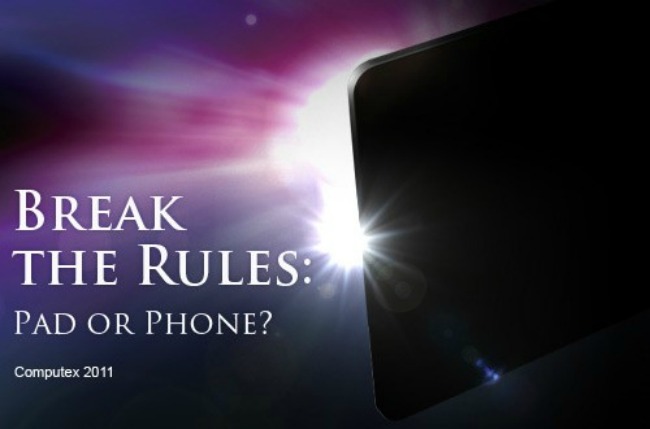
ASUS dares to be different at every opportunity. The company’s latest release, the Eee Pad Transformer tablet, is one of the few currently available that runs the Android 3.0 update, Honeycomb. The $399 Tegra 2-equipped device rivals the iPad 2, but for $100 less, and it can be converted into a netbook using a special keyboard/trackpad docking station with its own built-in battery. It’s hard to say what the next trick will be for ASUS, but the company is teasing a reveal for Computex 2011 that asks “Pad or Phone?”

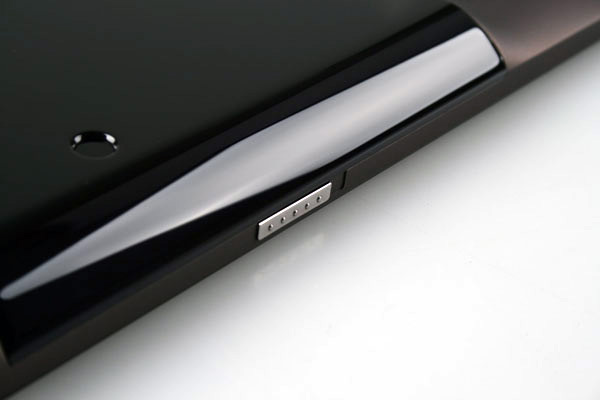
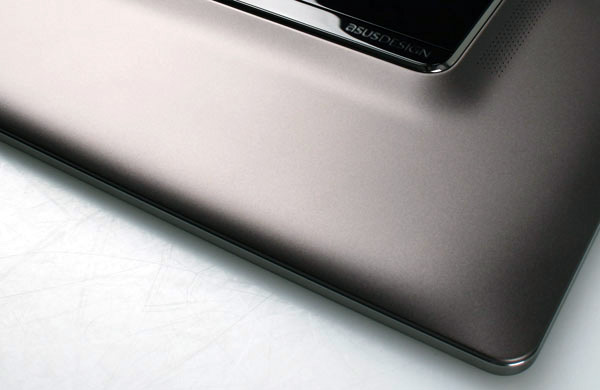
The above image is accompanied by a series of suggestive but ultimately unrevealing product photos posted over on Engadget. Lots of looks at rounded edges and ASUS logos, but it’s impossible to distinguish anything concrete from what’s there. The “Pad or Phone?” question suggests that we may be looking at a fusion of both — Engadget calls it a slate device — in the same way that the Pad Transformer is a convertible netbook/tablet. Exactly how that will be realized is a mystery that won’t be unraveled until Computex kicks off in Taipei next week.

Recommended Videos

Meanwhile, ASUS has been struggling to keep up with demand on the Pad Transformer, which went on sale in North America in late April. The cheapest-on-the-market Honeycomb tablet sold out almost immediately, and supplies have been limited since then. Most retailers are pointing to June as the time to expect more shipments.
asus-mystery-1
Image used with permission by copyright holder
asus-mystery-2
Image used with permission by copyright holder
Adam Rosenberg
Former Gaming/Movies Editor
Previously, Adam worked in the games press as a freelance writer and critic for a range of outlets, including Digital Trends…
Snapchat Planets Meaning: Order, Rankings, and How Friend Solar System Works
Snapchat Planets turns your best friends list into a solar system, and yes, your orbit says a lot
Snapchat Planets being shown on the Snapchat app on iPhone.

Snapchat+ includes several exclusive features, but few have generated as much curiosity as Snapchat Planets. Part of the app's Friend Solar System, it transforms your Best Friends list into a planetary ranking, assigning each of your top eight friends a planet based on how often you interact.

From Mercury, which represents your closest friend, to Neptune, which represents your eighth closest, the system offers a quick visual snapshot of your interactions. But what do the different planets actually mean, and how does Snapchat decide who gets which one?

Read more
How to use WhatsApp Web
We'll show you how to use WhatsApp on your desktop or laptop
WhatsApp Web

As one of the most popular messaging services, you’ve already heard of WhatsApp. From its humble beginnings in 2009—two years before Apple introduced iMessage—to its acquisition by Facebook (now Meta) in 2014, WhatsApp has become the dominant messaging platform around the globe.

In recent years, it's grown even more potent with new features like video messages, self-destructing voice messages, the ability to edit sent messages, and more. We even finally got an WhatsApp iPad app in May 2025.

Read more
What is WhatsApp? How to use the app, tips, tricks, and more
From setting it up to mastering hidden features, here is your complete guide to WhatsApp.
WhatsApp app store listing open on iPhone

There's no shortage of messaging apps out there. The past decade has given us more options than we know what to do with, largely because smartphones demanded something better than plain old SMS.

Both the App Store and the Play Store are packed with apps that promise to revolutionize the way we communicate. Most of them didn't make it. The truth is, a messaging app is only as good as the number of people using it, and most apps never cross that threshold.

Read more