- Home
- Computing
- Product Reviews
- Desktop Reviews
Desktop Reviews
About
A reliable spot for honest desktop reviews by Digital Trends’ expert reviewers. Compare desktop machines based on their form factor, rating, operating system, and more.

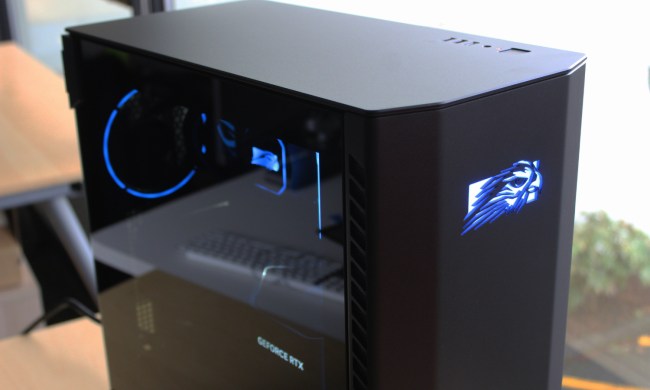
Falcon Northwest Talon review: you get what you pay for

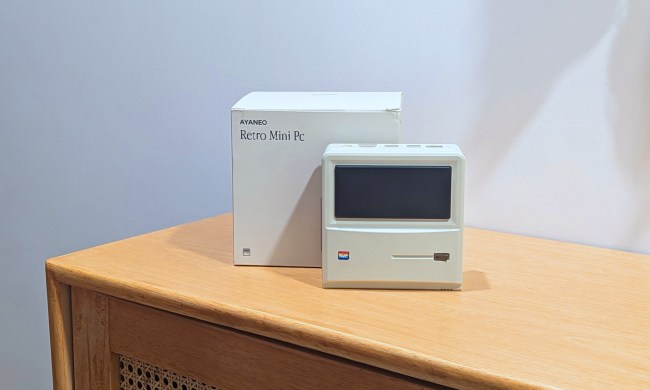
I tested the cutest mini PC in the world, and it completely won me over
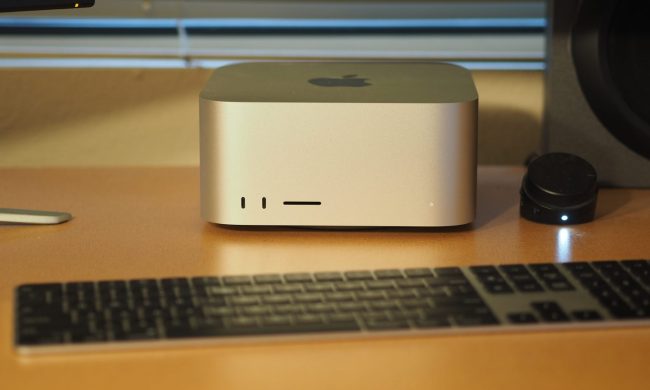
Mac Studio review: can it replace my Windows PC?
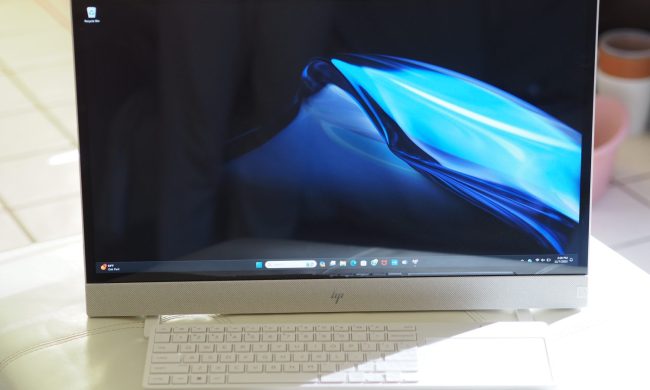
HP Envy Move review: a PC unlike any you’ve seen
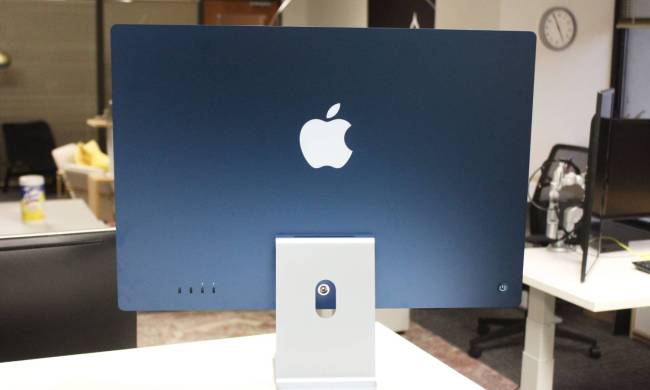
Apple iMac (M3) review: When enough is enough

Lenovo Yoga AIO 9i review: an iMac killer in the making
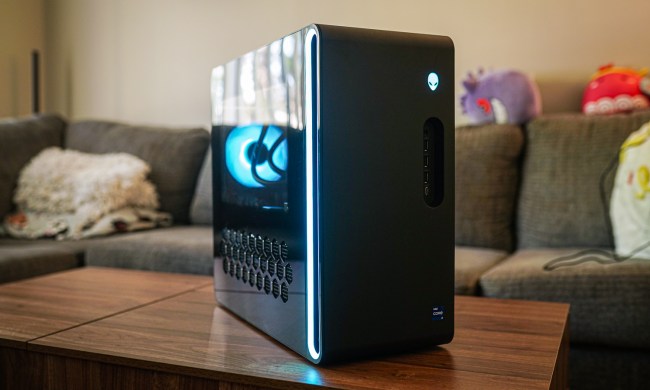
Alienware finally fixed the worst parts of its desktops
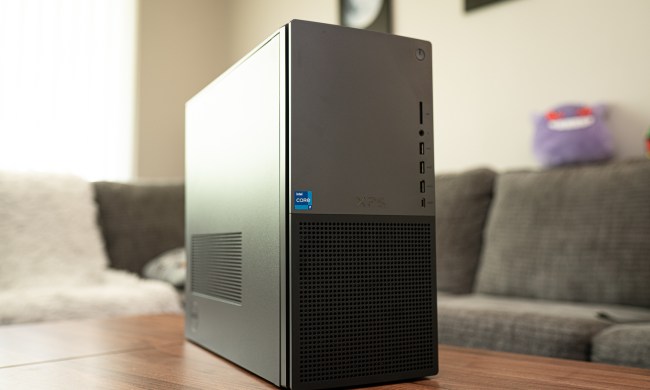
Dell XPS Desktop (8960) review: a new performance class
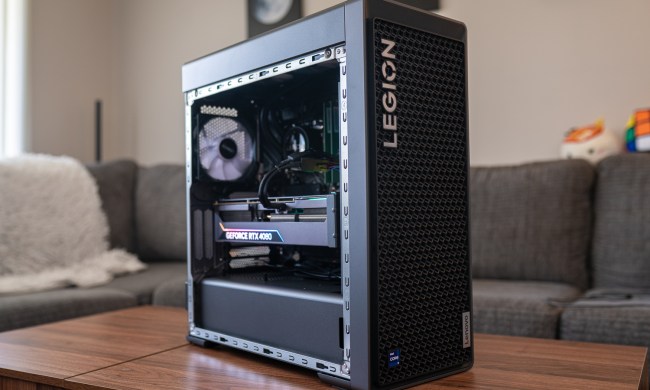
The Lenovo Legion Tower 7i is a great gaming PC with one big mistake
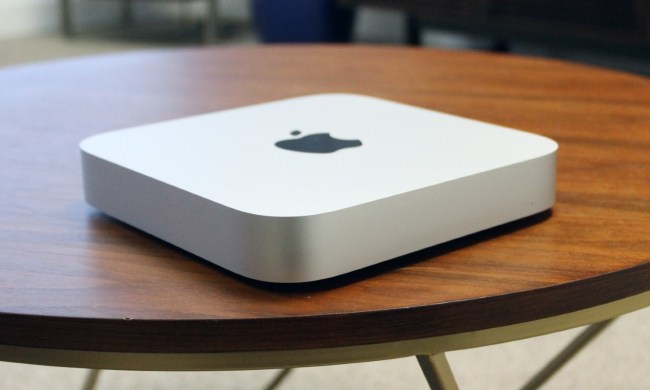
Apple Mac mini (M2 Pro) review: the best mini computer ever
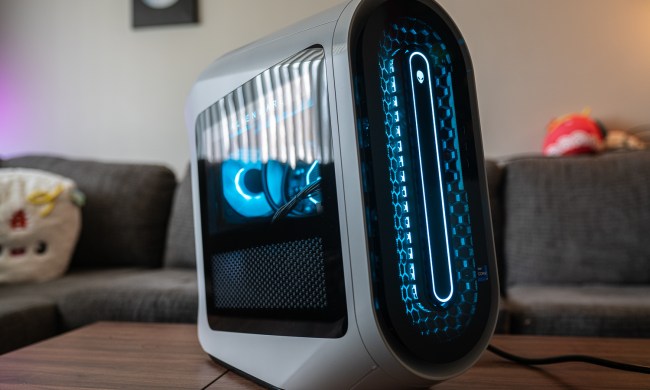
Alienware Aurora R15 review: fixing a critical issue
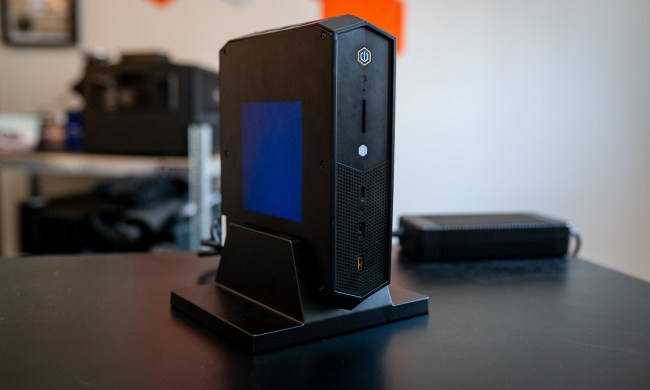
Intel NUC 12 Enthusiast review: a gaming PC the size of a book

CLX Scarab review (2022): High-end PC gaming at its finest

HP Z2 Mini G9 Workstation review: a serious Mac Studio rival
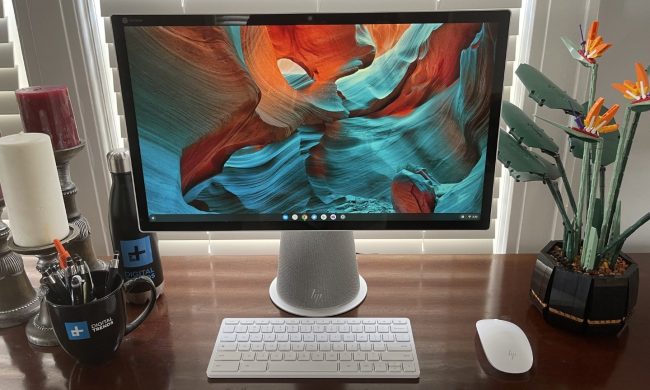
HP Chromebase All-in-One 22 review: Taking ChromeOS to new places
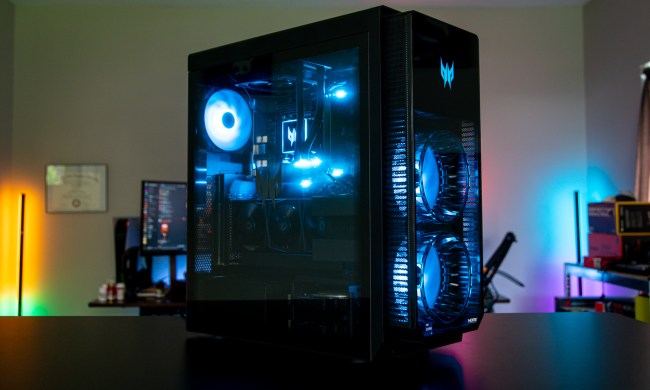
Acer Predator Orion 7000 review: A great gaming PC that’s too expensive

SteelSeries Arctis Nova Pro Wireless review: A new standard

Falcon Northwest Tiki review (2022): Mini PC gaming, perfected

Asus ProArt Station PD5 review: Too little, too late

Dell XPS Desktop (8950) review: A larger, faster design

EK 275 Conquest review: Custom watercooling for cheap

Maingear Vybe review: Great bones, outdated details

MSI Aegis RS 12 review: Cheaper than building your own

HP Omen 45L review: A master class in prebuilt gaming PCs
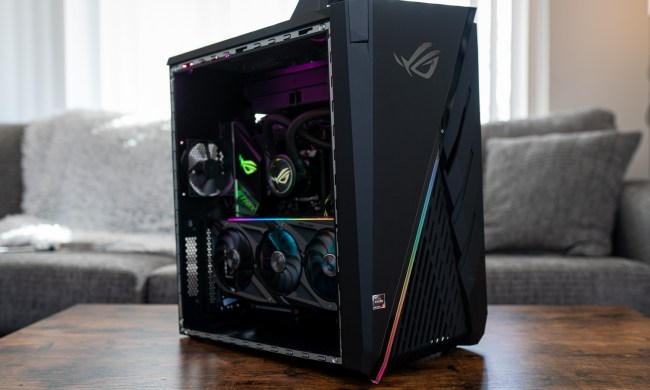
Asus ROG GA35 review: A great gaming PC with some clear oversights

Razer Huntsman V2 TKL review: A compelling argument for wired keyboards

Corsair Sabre RGB Pro Wireless review: Competitive mouse, competitive price

Origin Neuron (2021) review: A prebuilt worthy of the premium

Razer Basilisk V3 gaming mouse review: Not revolutionary, but still good

Lenovo Thinkstation P620 review: The ultimate Threadripper workstation

Keychron Q1 review: A personalized keyboard that will last for years

Logitech G915 Lightspeed TKL long-term review: The Magic Keyboard for gaming

Intel Beast Canyon NUC 11 Extreme review: A true mini gaming PC
Computing News


Laptops


Microsoft Windows


Computing Reviews



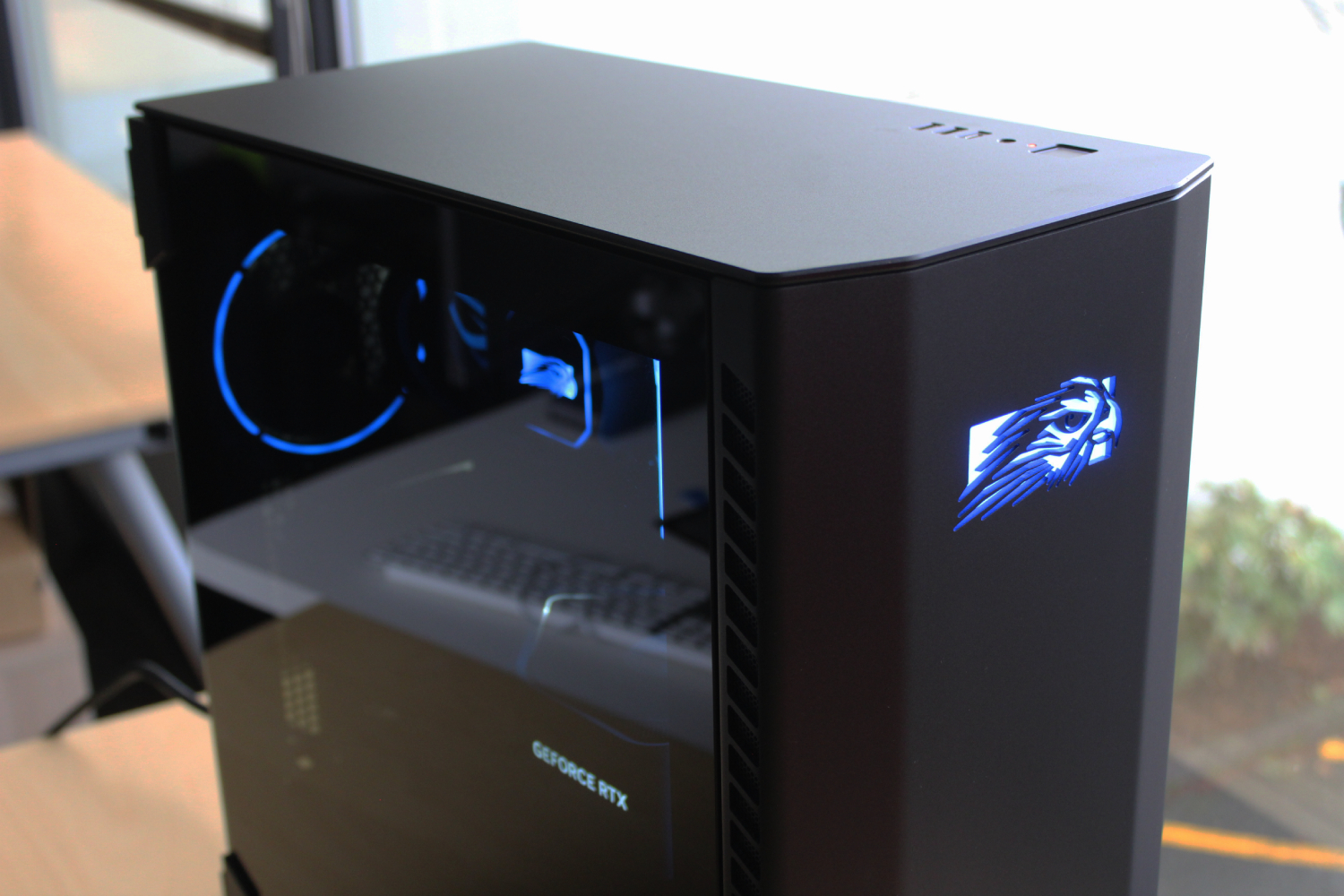

“The Falcon Northwest Talon is an exercise in unbridled craftsmanship and maximized PC performance.”
- Immaculate build quality
- Stunning level of detail
- The latest and greatest parts
- God tier warranty and support
- Great thermals
- Niche appeal
- Shockingly expensive
Luke Larsen is a Senior Editor at Digital Trends and manages all content covering laptops, monitors, PC hardware, and everything else that plugs into a computer. Luke joined Digital Trends in 2017 as a native Portlander, happy to join a media company that called his city home. His obsession with technology is in observing the ebb and flow of how technological advancement and product design intersects with our day-to-day experience of it. From digging into the minute details to stepping back and seeing the wider trends, Luke revels in telling stories with tech.
Before working at DT, he worked as Tech Editor at Paste Magazine for over four years and has bylines at publications such as IGN and The Oregonian. When he’s not obsessing over what the best laptop is or how Apple can fix the Mac, Luke spends his time playing designer board games, quoting obscure Star Wars lines, and hanging with his family.