Tesla is aiming to put its first robotaxis on public roads in June, the automaker’s CEO, Elon Musk, said on Wednesday.
Speaking during a call with investors following the release of Tesla’s latest financial results, Musk said the plan is to begin with a paid robotaxi service in Austin, Texas, in June, using vehicles with a version of Tesla’s Full Self-Driving (FSD) software. He added that a paid ridesharing service using unsupervised autonomous Teslas would expand to other U.S. cities “by the end of this year,” with launches in the first overseas markets coming some time in 2026, though he cautioned that regulatory constraints in locations like the EU and China could result in delays.
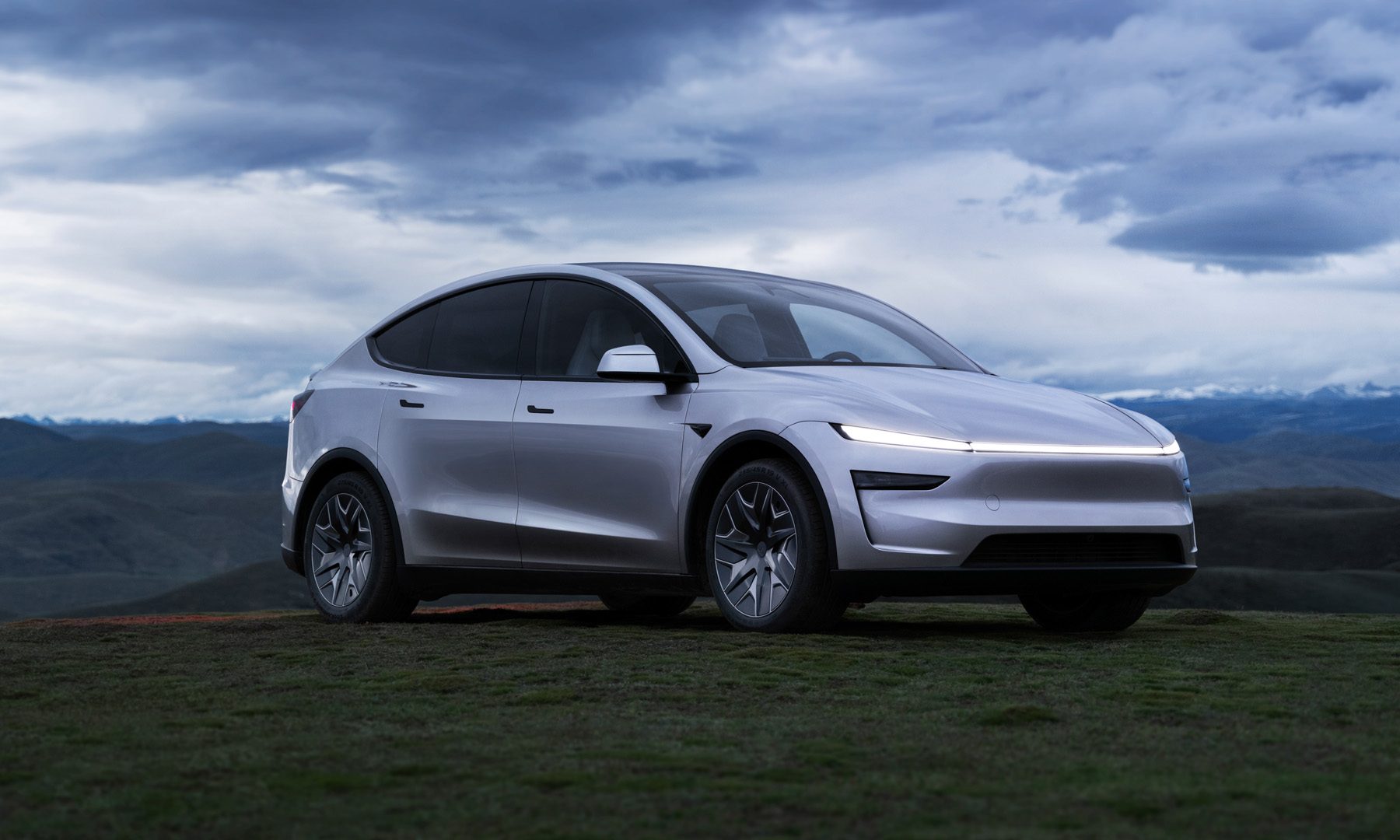
Musk mentioned plans for a robotaxi service last fall during the glitzy unveiling of the company’s first Cybercab autonomous taxi prototype, suggesting that Tesla would begin by using Model Y and Model 3 vehicles rather than the Cybercab, which does away with a steering wheel and pedals.
Regarding the immediate plan for Austin, Musk said the service would start with a fleet of Tesla-operated vehicles, adding that next year he’d like to have a system where any Tesla owner would be able to offer their vehicle for autonomous ridesharing trips when they’re not using it.
Musk said that Tesla sees the Austin launch as “putting a toe in the water [to] make sure everything’s OK,” adding that the “safety of the general public and those in the car [is] our top priority.”
Indeed, Tesla’s first robotaxis will be closely watched as they begin carrying paying passengers around the streets of the Texas city. The National Highway Traffic Safety Administration (NHTSA) has launched a number of investigations into the safety of Tesla’s Autopilot and FSD technologies, while critics claim that Tesla safety reports lack details, making it difficult to make comparisons with national averages or to draw meaningful conclusions about real-world safety.
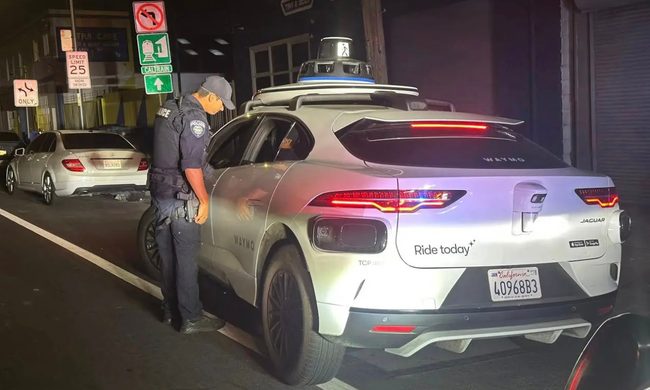
In a mark of the safety challenges facing such autonomous-car initiatives, General Motors recently ended funding for robotaxi firm Cruise following a number of troubling incidents, including one where an autonomous Cruise car ran over a woman in San Francisco.
A Bloomberg report in December said that Tesla had been in touch with Austin’s autonomous vehicle task force to establish safety expectations for the incoming Tesla robotaxis.
In Wednesday’s call with investors, Musk said that “thousands of [Tesla] cars every day are driving with no one in them at our Fremont factory in California.” Tesla released a video (below) on Wednesday showing the empty cars in action, commenting that it’s “one step closer to large-scale unsupervised FSD.”
Teslas now drive themselves from their birthplace at the factory to their designated loading dock lanes without human intervention
One step closer to large-scale unsupervised FSD pic.twitter.com/Aj6dHsLaRO
— Tesla AI (@Tesla_AI) January 29, 2025