  1. Home
  2. Phones
  3. Mobile
  4. News

Should we be worried about the Google Pixel 9?

Add as a preferred source on Google

Pixel 9, Pixel 9 Pro and Pixel 9 XL leaks.
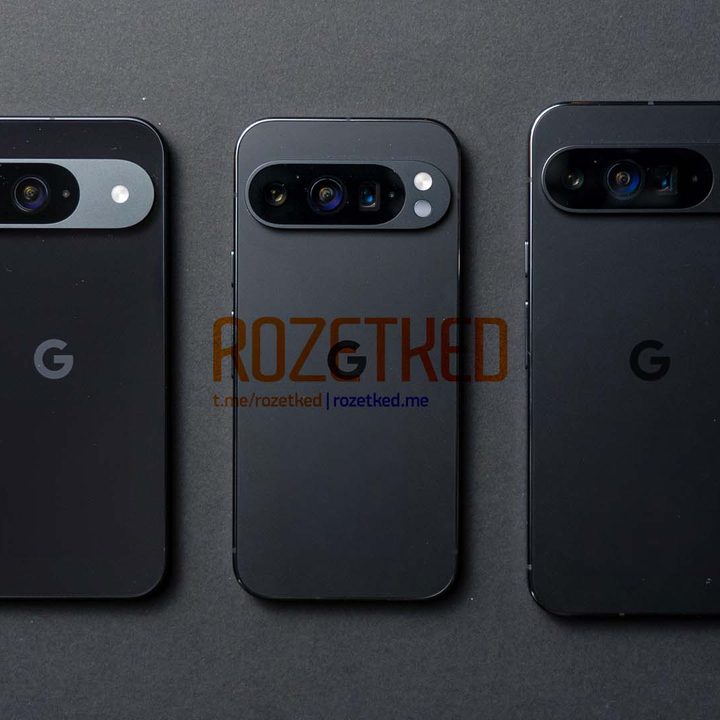
Pixel 9, Pixel 9 Pro, and Pixel 9 XL leaks Rozetked

The Google Pixel 9 is expected to launch in a few months, and unsurprisingly, we’ve already received a fairly comprehensive set of leaks and rumors about it. The latest one comes from Geekbench, revealing benchmarks of the Pixel 9 and rumored Pixel 9 Pro X that may dampen enthusiasm for the upcoming flagship.

Recommended Videos

The leaked benchmarks show a Pixel 9 Pro XL with a 1378 single-core and a 3723 multi-core score. Meanwhile, the Pixel 9 shows a 1653 single-core score and a 3313 multi-core score. The Pixel 9 Pro XL is expected to have one 3.10GHz primary core, three 2.6GHz performance cores, four 1.95GHz efficiency cores, and 16GB of RAM. The Pixel 9 should have the same CPU cluster with 8GB of RAM.

These are pretty lackluster results for new phones that are expected to come with the Tensor G4 processor. It’s notably lower than the Snapdragon 8 Gen 3, which we praised for its excellent performance in the review of the Galaxy S24 Ultra. It’s also not very impressive compared to the Tensor G3 chip on the Pixel 8 and Pixel 8 Pro, which handled tasks on both phones excellently.
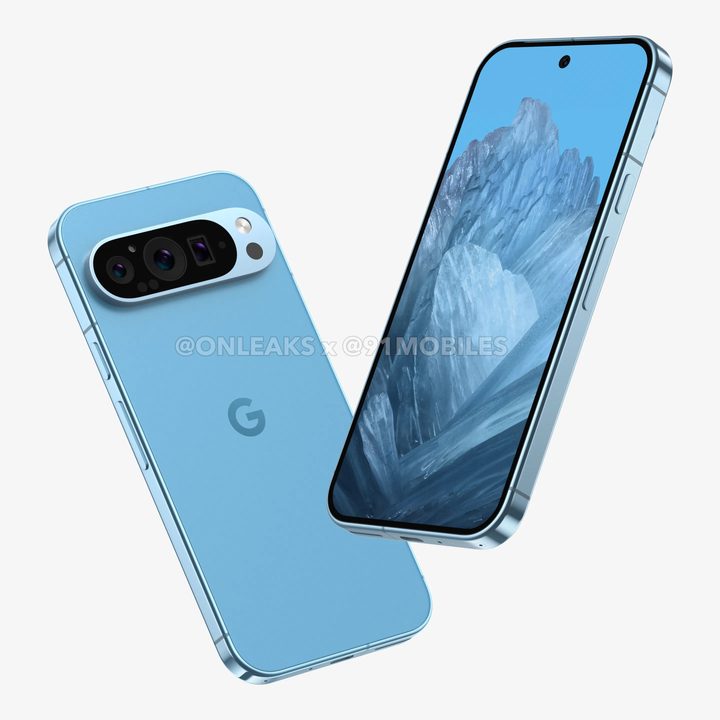
Front and rear profile of leaked Google Pixel 9 renders.
Pixel 9 Pro render OnLeaks / 91Mobiles

Unfortunately, this would be in line with previous results we’ve seen on Google’s Pixel lineup. In terms of raw performance numbers, the Tensor chipsets have tended to lag behind Qualcomm’s latest Snapdragon chipsets.

Now, it is worth taking these preliminary benchmark results with a grain of salt. There’s still no confirmation that these are actually the Pixel 9 and Pixel 9 Pro XL, and if they are, they’re running early software that likely still needs a fair bit of tweaking and optimization. The phones should launch running Android 14 or Android 15, and that’s reflected in the leaked benchmarks. It’s also important to remember that benchmarks can also be gamed and aren’t always the best measure of how a phone performs in real-world usage.

Ultimately, we’ll need to wait and see how the Pixel 9 series performs when the phone is launched in the fall. We’re expecting three models in the lineup: the Pixel 9, Pixel 9 Pro, and Pixel 9 Pro XL. They’re likely to be priced in line with last year’s releases. In terms of other changes, we’re anticipating quite a few design differences, including a changed camera array, flatter sides, and more.

Ajay Kumar
Former Freelance Writer, Mobile
Ajay has worked in tech journalism for more than a decade as a reporter, analyst, and editor.
Android desktop mode made me miss my laptop in record time
I tried writing and publishing from Google’s phone-to-monitor setup, and the future of mobile computing immediately started sweating.
Computer, Electronics, Laptop

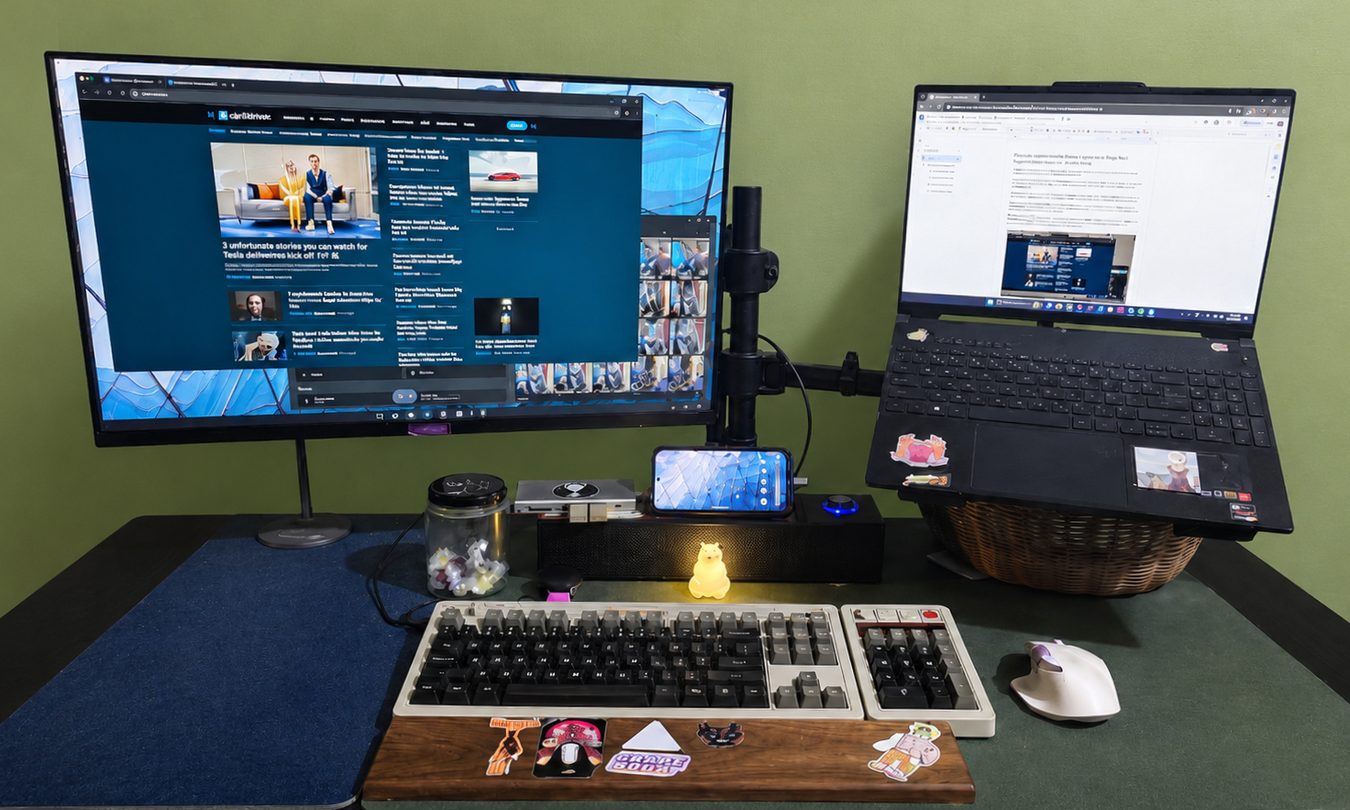
Android 17 desktop mode has a very simple pitch. Plug your phone into a monitor, add a keyboard and mouse, and watch the slab in your pocket pretend to be a computer. I wanted to give that pitch a fair shot, so I tried using it for an actual workday instead of a cute demo.

The goal was boring on purpose: write an article, edit it, build the page in WordPress, upload whatever needed uploading, and publish the thing without running back to my laptop like a coward.

Read more
After test-driving iOS 27, my iPhone still doesn’t feel like it has made a substantial leap
Siri learned new tricks. Safari got smarter tabs. My morning routine didn't change at all.
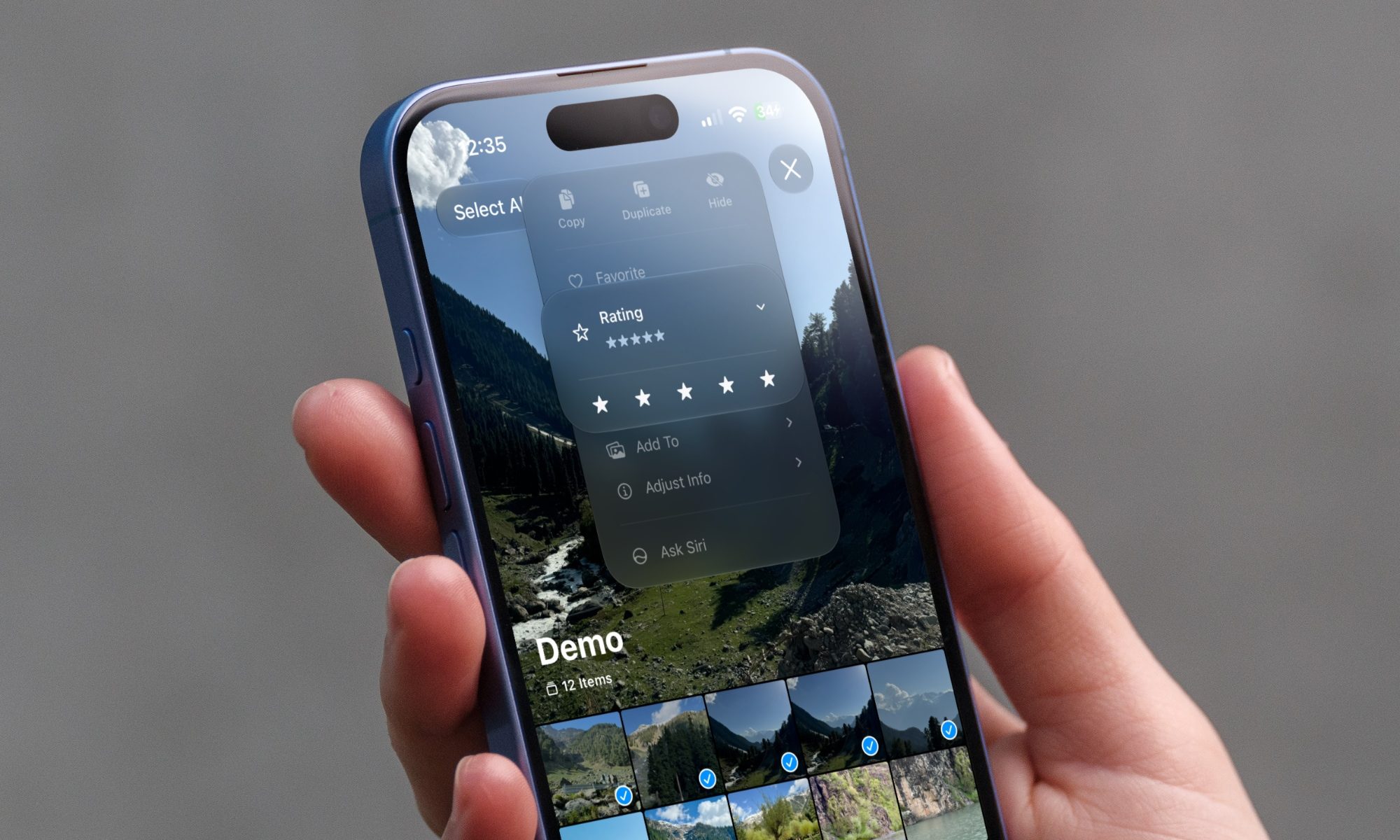
iOS 27 new star rating feature in Photos

Every June, after Apple wraps up its annual WWDC keynote, I install the latest iOS beta on my iPhone, watch the progress bar crawl to completion, and wait for the inevitable restart. For years, picking up my phone afterward felt almost identical to how it did before the update. 

I saw the same grid of icons, the same Control Center, and the same version of Siri until iOS 26 finally broke that pattern in 2025.

Read more
Android 17 makes a strong case for ignoring Android version numbers entirely
When the most noticeable change is a better Quick Settings button, the annual update cycle starts looking more like branding than progress.
Android 17 logo.

Android 17 finally separated the Wi-Fi and mobile data buttons, and I hate how much that improved my mood. For years, Android treated internet access like one mysterious blob, as if Wi-Fi and cellular data were emotionally codependent. In Android 17 Beta 3, Google split the old combined Internet button into separate Wi-Fi and mobile data tiles, making each connection easier to switch off with a single tap.

That’s a good change, which is also why it’s a little damning. When one of the cleanest wins in a major OS update is “the buttons make sense again,” the celebration gets awkward fast.

Read more